How Many Types of Braces Are There? Pros & Cons Comparison to Help You Choose the Best Option
Last updated: 29 May 2026
2752 Views
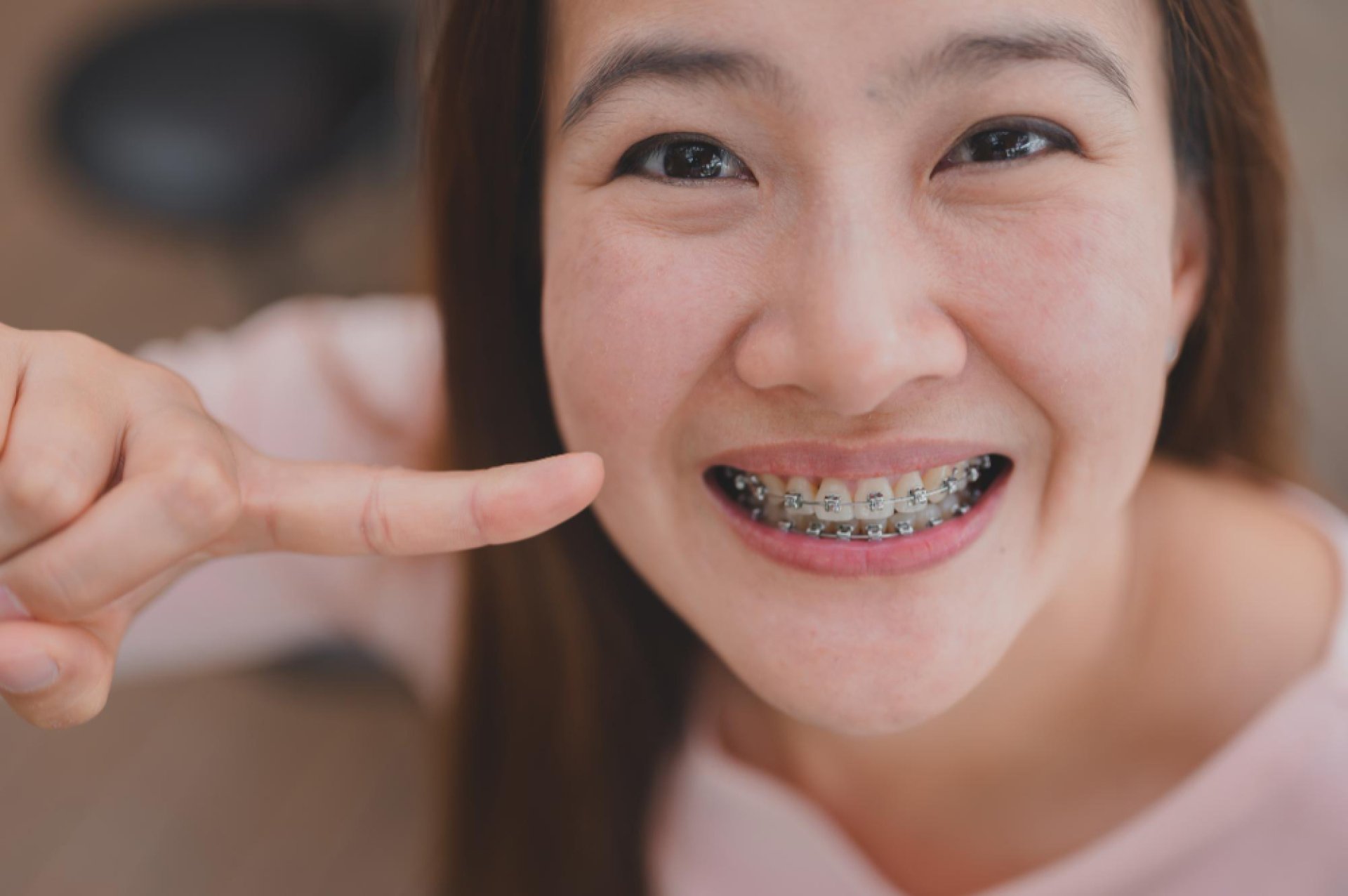
If you are considering getting braces at least once in your life, one of the first questions you may ask is: how many types of braces are there? Today, orthodontic technology has advanced significantly. Braces are no longer limited to traditional metal brackets with colorful rubber bands.
Understanding the different types of braces available can help you plan your orthodontic treatment more effectively—ensuring it fits both your lifestyle and budget. Let’s explore the main options and find out which type of braces may be right for you.
How Many Types of Braces Are There? Which One Is Right for You?
Orthodontic treatment can generally be divided into four main types of braces, each designed to address different dental conditions and individual needs. Since every patient’s teeth and bite issues are unique, it is essential to consult an experienced orthodontist before starting treatment to determine the most suitable option for you.
The main types of braces include the following:
1. Metal Braces
Metal braces are the most commonly used and widely recognized type of orthodontic treatment. This method involves attaching metal brackets to the tooth surface and using elastic rubber bands (O-rings) to gradually move the teeth into proper alignment. At one point, metal braces even became a popular fashion trend due to the variety of elastic colors available.
Pros:
The most affordable option
A wide variety of elastic colors to change monthly
Highly effective for correcting severe crowding and misalignment
Cons:
The brackets and wires are highly visible
May cause mouth irritation during the initial adjustment period
Requires monthly orthodontic visits for adjustments
2. Damon Braces (Damon System / Self-Ligating Braces)
When researching how many types of braces are available, you may come across the Damon System, an advanced orthodontic innovation that does not require elastic ties. Instead, it uses a small built-in sliding mechanism to hold the archwire in place.
What makes Damon braces stand out is their use of self-ligating brackets, which allow the wire to be secured without colorful rubber bands (O-rings) like traditional metal braces. This system enables teeth to move with lighter, more continuous forces, reducing friction, minimizing discomfort, shortening treatment time, and decreasing the frequency of dental visits.
Pros:
Faster tooth movement
Less discomfort due to reduced pressure from elastic ties
Fewer orthodontic appointments compared to metal braces (approximately once every 2 months)
Cons:
Higher cost than traditional metal braces
Metal brackets are still visible on the teeth
3. Clear Aligners (Invisalign)
For those who prefer not to wear metal braces, clear aligners are often considered the most aesthetically pleasing option when asking which type of braces looks best. This treatment uses a series of transparent plastic aligners that are custom-made for each patient.
Clear aligners can be removed during meals and brushing, and they are virtually invisible when worn—making them ideal for individuals who want a discreet orthodontic solution and a natural-looking smile throughout treatment.
Pros:
Nearly invisible when worn
Removable for eating and oral hygiene
Easy to clean and helps reduce the risk of tooth decay
Cons:
The most expensive orthodontic option
Requires high compliance, with aligners worn at least 22 hours per day
4. Ceramic Braces
Another popular option is ceramic braces, which use brackets made entirely of ceramic material. These brackets are clear or tooth-colored, allowing them to blend in with the natural color of your teeth. Ceramic braces are ideal for patients who want a less noticeable appearance while still achieving effective orthodontic results similar to metal braces.
Pros:
Less noticeable than metal braces
More affordable than clear aligners while maintaining aesthetic appeal
Cons:
Brackets are more fragile than metal and may break more easily
Elastic ties can become stained if oral hygiene and dietary habits are not well maintained
Braces Comparison Table: Which Option Is Right for You?
To help you clearly understand how many types of braces are available and how they differ, here is a comparison of the main orthodontic treatment options:
Type of Braces
Appearance
Treatment Duration
Estimated Cost
Metal Braces
Highly visible (classic look)
Standard
Affordable (budget-friendly)
Damon Braces
Moderately visible
Faster than standard braces
Medium to high
Clear Aligners
Most aesthetic (nearly invisible)
Fast (depends on case severity)
High
Ceramic Braces
Less noticeable
Standard
Medium
How to Choose the Right Braces for You
Once you understand how many types of braces are available, choosing the option that best suits you should be based on three key factors: budget (how much you are willing to invest), lifestyle (whether your job requires frequent public appearances or extensive speaking), and discipline (your ability to maintain oral hygiene or consistently wear removable appliances).
If you are looking for a cost-effective and highly durable option, metal braces are a practical choice. However, if you are a working professional who frequently attends social or business events, more aesthetic options such as clear aligners or ceramic braces can significantly boost your confidence during treatment.
Ultimately, regardless of the type of braces you choose, selecting a certified dental clinic is just as important. Pasook Dental Clinic offers comprehensive orthodontic services with experienced specialists, providing all types of braces in one place. Visit any Pasook Dental Clinic branch near you and take the first step toward a healthier, more confident smile.
Understanding the different types of braces available can help you plan your orthodontic treatment more effectively—ensuring it fits both your lifestyle and budget. Let’s explore the main options and find out which type of braces may be right for you.
How Many Types of Braces Are There? Which One Is Right for You?
Orthodontic treatment can generally be divided into four main types of braces, each designed to address different dental conditions and individual needs. Since every patient’s teeth and bite issues are unique, it is essential to consult an experienced orthodontist before starting treatment to determine the most suitable option for you.
The main types of braces include the following:
1. Metal Braces
Metal braces are the most commonly used and widely recognized type of orthodontic treatment. This method involves attaching metal brackets to the tooth surface and using elastic rubber bands (O-rings) to gradually move the teeth into proper alignment. At one point, metal braces even became a popular fashion trend due to the variety of elastic colors available.
Pros:
The most affordable option
A wide variety of elastic colors to change monthly
Highly effective for correcting severe crowding and misalignment
Cons:
The brackets and wires are highly visible
May cause mouth irritation during the initial adjustment period
Requires monthly orthodontic visits for adjustments
2. Damon Braces (Damon System / Self-Ligating Braces)
When researching how many types of braces are available, you may come across the Damon System, an advanced orthodontic innovation that does not require elastic ties. Instead, it uses a small built-in sliding mechanism to hold the archwire in place.
What makes Damon braces stand out is their use of self-ligating brackets, which allow the wire to be secured without colorful rubber bands (O-rings) like traditional metal braces. This system enables teeth to move with lighter, more continuous forces, reducing friction, minimizing discomfort, shortening treatment time, and decreasing the frequency of dental visits.
Pros:
Faster tooth movement
Less discomfort due to reduced pressure from elastic ties
Fewer orthodontic appointments compared to metal braces (approximately once every 2 months)
Cons:
Higher cost than traditional metal braces
Metal brackets are still visible on the teeth
3. Clear Aligners (Invisalign)
For those who prefer not to wear metal braces, clear aligners are often considered the most aesthetically pleasing option when asking which type of braces looks best. This treatment uses a series of transparent plastic aligners that are custom-made for each patient.
Clear aligners can be removed during meals and brushing, and they are virtually invisible when worn—making them ideal for individuals who want a discreet orthodontic solution and a natural-looking smile throughout treatment.
Pros:
Nearly invisible when worn
Removable for eating and oral hygiene
Easy to clean and helps reduce the risk of tooth decay
Cons:
The most expensive orthodontic option
Requires high compliance, with aligners worn at least 22 hours per day
4. Ceramic Braces
Another popular option is ceramic braces, which use brackets made entirely of ceramic material. These brackets are clear or tooth-colored, allowing them to blend in with the natural color of your teeth. Ceramic braces are ideal for patients who want a less noticeable appearance while still achieving effective orthodontic results similar to metal braces.
Pros:
Less noticeable than metal braces
More affordable than clear aligners while maintaining aesthetic appeal
Cons:
Brackets are more fragile than metal and may break more easily
Elastic ties can become stained if oral hygiene and dietary habits are not well maintained
Braces Comparison Table: Which Option Is Right for You?
To help you clearly understand how many types of braces are available and how they differ, here is a comparison of the main orthodontic treatment options:
Type of Braces
Appearance
Treatment Duration
Estimated Cost
Metal Braces
Highly visible (classic look)
Standard
Affordable (budget-friendly)
Damon Braces
Moderately visible
Faster than standard braces
Medium to high
Clear Aligners
Most aesthetic (nearly invisible)
Fast (depends on case severity)
High
Ceramic Braces
Less noticeable
Standard
Medium
How to Choose the Right Braces for You
Once you understand how many types of braces are available, choosing the option that best suits you should be based on three key factors: budget (how much you are willing to invest), lifestyle (whether your job requires frequent public appearances or extensive speaking), and discipline (your ability to maintain oral hygiene or consistently wear removable appliances).
If you are looking for a cost-effective and highly durable option, metal braces are a practical choice. However, if you are a working professional who frequently attends social or business events, more aesthetic options such as clear aligners or ceramic braces can significantly boost your confidence during treatment.
Ultimately, regardless of the type of braces you choose, selecting a certified dental clinic is just as important. Pasook Dental Clinic offers comprehensive orthodontic services with experienced specialists, providing all types of braces in one place. Visit any Pasook Dental Clinic branch near you and take the first step toward a healthier, more confident smile.
Related Content

Wondering whether an erupted wisdom tooth should be extracted or surgically removed? Learn the key differences, how dentists decide the best treatment, the procedure, recovery, and cost to help you make an informed decision.

What is dental scaling? Discover the warning signs, post-scaling care, and common myths about this essential oral hygiene procedure.

Wondering how long Invisalign treatment takes to see real results? Explore the treatment duration of each Invisalign option, along with expert tips to achieve a confident, perfectly aligned smile.