Does Dental Filling Hurt? A Complete Guide to the Procedure and How to Prepare Before Visiting the Dentist
Last updated: 29 May 2026
1774 Views
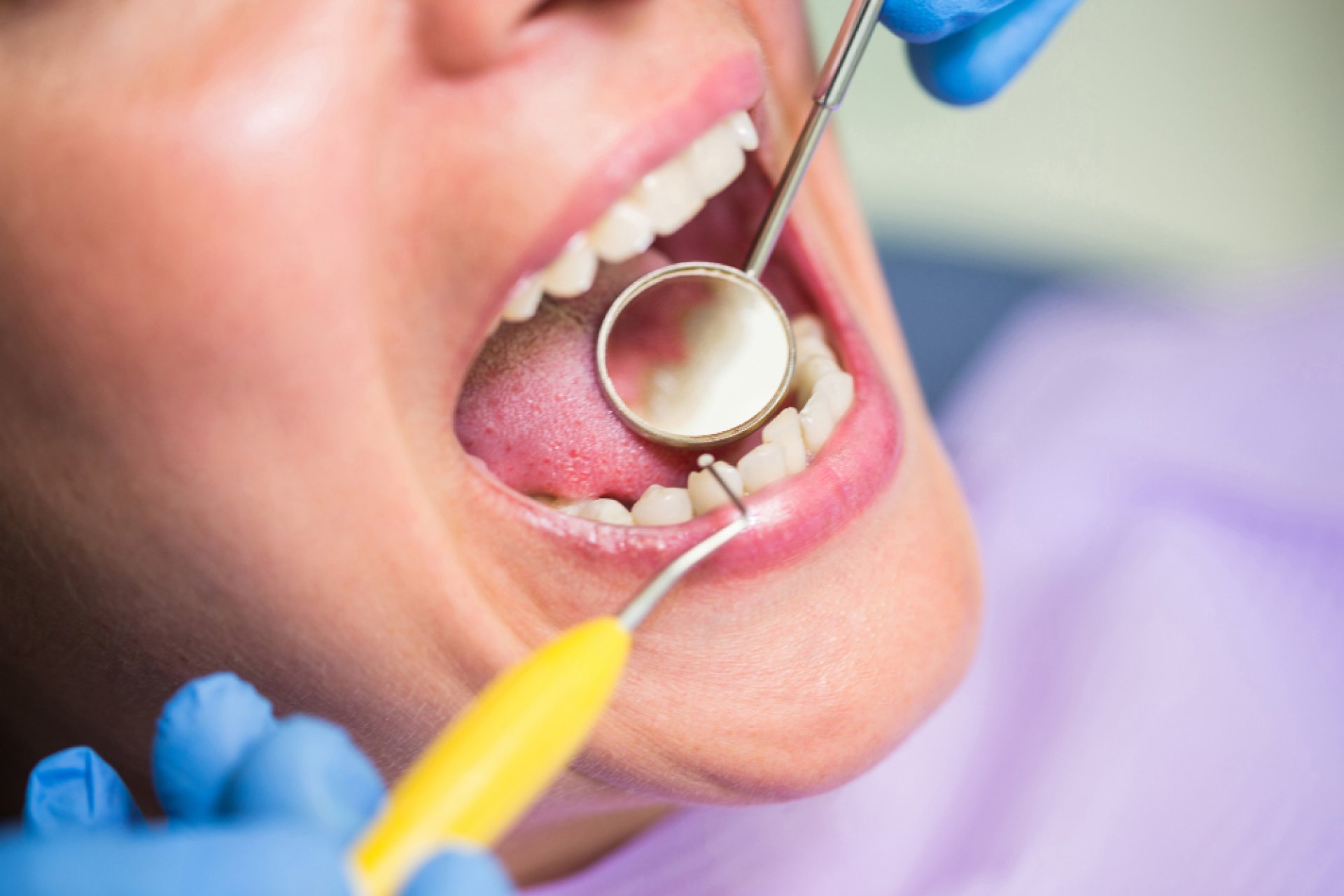
ne of the most common questions people ask when they notice small dark spots on their teeth or experience sensitivity while eating cold foods is: Is this tooth decay? And if I need a filling, will it hurt?
“Does dental filling hurt?” “How painful is it?” and “How should I prepare?” are very common concerns. These worries are completely understandable, especially since the sound of dental tools or past experiences may cause anxiety. However, modern dental technology has advanced significantly. Understanding what happens during a dental filling can help you feel more confident about visiting the dentist.
A dental filling is not only a solution for tooth sensitivity but also an important treatment that stops tooth decay from progressing further, potentially preventing the need for tooth extraction in the future.
What Is a Dental Filling?
Before worrying about whether a dental filling hurts, it’s important to understand what the procedure actually involves.
A dental filling is a restorative dental procedure used to repair teeth damaged by decay or minor fractures. The dentist removes the decayed or damaged portion of the tooth and fills the space with a dental material. This restores the tooth’s function, strength, and natural appearance.
Does Dental Filling Hurt? The Answer Everyone Wants to Know
The good news is that dental fillings are generally not painful. Most patients only feel slight pressure or vibration from the dental drill.
However, some situations may cause mild discomfort depending on the depth of the decay:
Early-stage tooth decay
Usually painless because the decay is limited to the enamel, which does not contain nerves.
Decay reaching the dentin layer
You may feel slight sensitivity during the drilling process, but dentists can easily manage this with local anesthesia.
Use of local anesthesia
Modern dentistry often uses a topical numbing gel before injecting anesthesia, making the injection itself nearly painless.
In short, whether a dental filling hurts depends on the severity of the decay and the treatment approach. Most patients agree that the procedure is far more comfortable than they expected.
Step-by-Step Dental Filling Procedure
Understanding the procedure can help reduce anxiety. Here are the typical steps involved in a dental filling:
1. Examination and Diagnosis
The dentist will examine your teeth and may take dental X-rays to determine the depth of the cavity. If the decay is deep, local anesthesia may be administered to ensure you remain comfortable during the procedure.
2. Removing the Decayed Tooth Structure
A dental drill is used to remove the decayed portion of the tooth. You may hear some noise and feel slight vibration, but this step is essential to eliminate infected tissue and prepare the tooth for restoration.
3. Preparing the Tooth and Placing the Filling Material
After cleaning the cavity, the dentist applies a bonding agent and gradually places the filling material—often a tooth-colored composite resin. A special blue light is used to harden each layer.
4. Shaping and Checking the Bite
Once the filling material has hardened, the dentist shapes and polishes the tooth. You will be asked to bite down to ensure the filling fits comfortably and does not interfere with your bite.
How to Prepare for a Dental Filling
If you are still wondering whether dental fillings hurt, these simple tips can help you feel more prepared and relaxed before your appointment:
Eat before your appointment
If anesthesia is used, your mouth may remain numb for 1–2 hours afterward, making it difficult to eat without accidentally biting your cheek or tongue.
Get enough rest
Being well-rested helps reduce sensitivity and makes the experience more comfortable.
Inform your dentist about medical conditions
Always tell your dentist if you have underlying health conditions or allergies to medications or anesthetics.
Communicate during the procedure
If you feel discomfort at any time, simply raise your hand to signal your dentist. Open communication helps ensure a smoother experience.
When Should You Get a Dental Filling?
You should not wait until severe tooth pain occurs before visiting the dentist. The longer tooth decay is left untreated, the deeper it becomes, which may lead to higher treatment costs and more complex procedures, such as root canal therapy.
Signs that you should see a dentist include:
Food frequently getting stuck between teeth
Sensitivity when drinking cold beverages or eating sweets
Visible dark or brown spots on your teeth
Occasional sharp tooth pain
If you still feel unsure about dental fillings or are looking for a dental clinic that truly understands patients’ concerns, consider visiting Pasook Dental Clinic.
Pasook Dental Clinic is staffed by highly experienced dental professionals who provide detailed consultations and patient-centered care. The clinic follows international standards of hygiene and safety and uses modern dental equipment designed to ensure efficient treatments with minimal discomfort.
With multiple convenient locations, Pasook Dental Clinic makes it easy for you to access quality dental care near your home. Whether you need dental fillings, scaling, or dental implants, the clinic is dedicated to helping you restore a healthy and confident smile.
“Does dental filling hurt?” “How painful is it?” and “How should I prepare?” are very common concerns. These worries are completely understandable, especially since the sound of dental tools or past experiences may cause anxiety. However, modern dental technology has advanced significantly. Understanding what happens during a dental filling can help you feel more confident about visiting the dentist.
A dental filling is not only a solution for tooth sensitivity but also an important treatment that stops tooth decay from progressing further, potentially preventing the need for tooth extraction in the future.
What Is a Dental Filling?
Before worrying about whether a dental filling hurts, it’s important to understand what the procedure actually involves.
A dental filling is a restorative dental procedure used to repair teeth damaged by decay or minor fractures. The dentist removes the decayed or damaged portion of the tooth and fills the space with a dental material. This restores the tooth’s function, strength, and natural appearance.
Does Dental Filling Hurt? The Answer Everyone Wants to Know
The good news is that dental fillings are generally not painful. Most patients only feel slight pressure or vibration from the dental drill.
However, some situations may cause mild discomfort depending on the depth of the decay:
Early-stage tooth decay
Usually painless because the decay is limited to the enamel, which does not contain nerves.
Decay reaching the dentin layer
You may feel slight sensitivity during the drilling process, but dentists can easily manage this with local anesthesia.
Use of local anesthesia
Modern dentistry often uses a topical numbing gel before injecting anesthesia, making the injection itself nearly painless.
In short, whether a dental filling hurts depends on the severity of the decay and the treatment approach. Most patients agree that the procedure is far more comfortable than they expected.
Step-by-Step Dental Filling Procedure
Understanding the procedure can help reduce anxiety. Here are the typical steps involved in a dental filling:
1. Examination and Diagnosis
The dentist will examine your teeth and may take dental X-rays to determine the depth of the cavity. If the decay is deep, local anesthesia may be administered to ensure you remain comfortable during the procedure.
2. Removing the Decayed Tooth Structure
A dental drill is used to remove the decayed portion of the tooth. You may hear some noise and feel slight vibration, but this step is essential to eliminate infected tissue and prepare the tooth for restoration.
3. Preparing the Tooth and Placing the Filling Material
After cleaning the cavity, the dentist applies a bonding agent and gradually places the filling material—often a tooth-colored composite resin. A special blue light is used to harden each layer.
4. Shaping and Checking the Bite
Once the filling material has hardened, the dentist shapes and polishes the tooth. You will be asked to bite down to ensure the filling fits comfortably and does not interfere with your bite.
How to Prepare for a Dental Filling
If you are still wondering whether dental fillings hurt, these simple tips can help you feel more prepared and relaxed before your appointment:
Eat before your appointment
If anesthesia is used, your mouth may remain numb for 1–2 hours afterward, making it difficult to eat without accidentally biting your cheek or tongue.
Get enough rest
Being well-rested helps reduce sensitivity and makes the experience more comfortable.
Inform your dentist about medical conditions
Always tell your dentist if you have underlying health conditions or allergies to medications or anesthetics.
Communicate during the procedure
If you feel discomfort at any time, simply raise your hand to signal your dentist. Open communication helps ensure a smoother experience.
When Should You Get a Dental Filling?
You should not wait until severe tooth pain occurs before visiting the dentist. The longer tooth decay is left untreated, the deeper it becomes, which may lead to higher treatment costs and more complex procedures, such as root canal therapy.
Signs that you should see a dentist include:
Food frequently getting stuck between teeth
Sensitivity when drinking cold beverages or eating sweets
Visible dark or brown spots on your teeth
Occasional sharp tooth pain
If you still feel unsure about dental fillings or are looking for a dental clinic that truly understands patients’ concerns, consider visiting Pasook Dental Clinic.
Pasook Dental Clinic is staffed by highly experienced dental professionals who provide detailed consultations and patient-centered care. The clinic follows international standards of hygiene and safety and uses modern dental equipment designed to ensure efficient treatments with minimal discomfort.
With multiple convenient locations, Pasook Dental Clinic makes it easy for you to access quality dental care near your home. Whether you need dental fillings, scaling, or dental implants, the clinic is dedicated to helping you restore a healthy and confident smile.
Related Content

What is fluoride varnish? How does it protect your teeth from cavities and make them stronger? Discover the real benefits of fluoride treatment and who can benefit from it.

What is dental scaling? Discover the warning signs, post-scaling care, and common myths about this essential oral hygiene procedure.
What medication is good for gingivitis? Compare pain relievers, antibiotics, mouthwash, and gum gels, including important precautions and the risks of leaving gingivitis untreated.