Which Wisdom Teeth Need Surgery? Checklist of Warning Signs That Require Dental Treatment
Last updated: 28 Jul 2026
376 Views
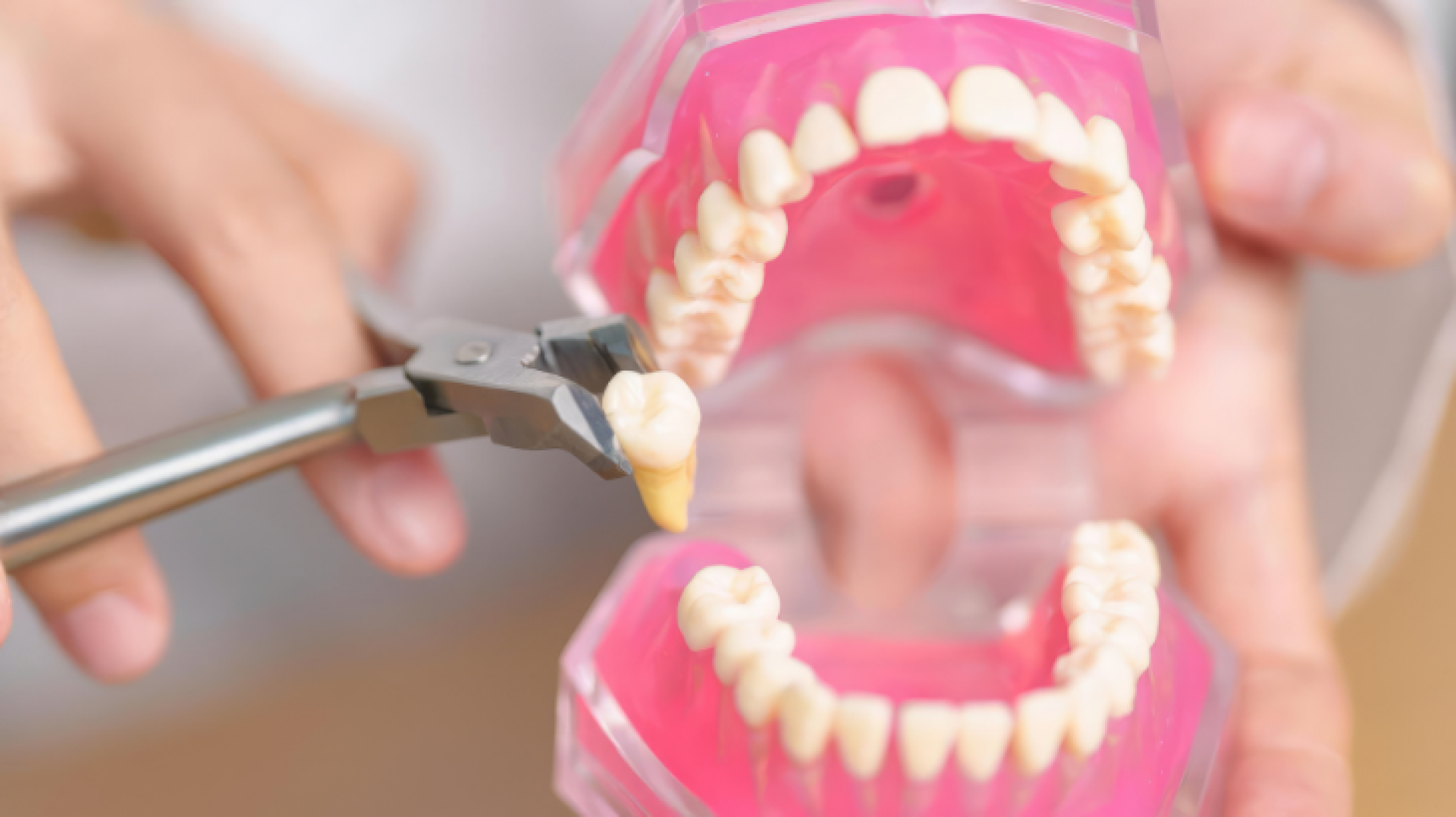
Which Wisdom Teeth Require Surgery?
Dentists determine whether a wisdom tooth needs surgical removal based on its position, growth direction, and potential impact on surrounding oral structures.
Wisdom teeth that usually require surgery are those that cannot erupt normally, such as teeth growing horizontally, teeth tilted and pressing against neighboring molars, teeth partially covered by gum tissue that trap food debris, or teeth deeply embedded in the jawbone with signs of cysts or abnormal lesions developing around them.
On the other hand, some wisdom teeth may not require removal if they grow straight, have proper contact with the opposite tooth, and can be cleaned effectively without causing inflammation or damage to surrounding teeth.
When you begin to feel sharp pain, pressure, or discomfort near the back corner of your mouth, it may be a sign that a wisdom tooth is developing or becoming inflamed. Understanding which wisdom teeth need surgery is important because it helps you identify potential problems before they become more serious.
Many people believe that if a wisdom tooth does not hurt, there is no need for treatment. However, impacted wisdom teeth hidden under the gum can silently damage nearby teeth and surrounding bone without noticeable symptoms. Recognizing problematic wisdom tooth characteristics early allows for timely treatment and helps prevent more complicated procedures and higher costs in the future.
Difference Between Wisdom Teeth That Need Surgery and Normally Erupted Molars
Most people develop their third molars (wisdom teeth) between the ages of 17–25 years old. These teeth often become impacted because modern human jaws are generally smaller, leaving insufficient space for the final molars to erupt properly.
Characteristics of Wisdom Teeth That May Not Need Surgery
If the last molar fully erupts through the gum, grows vertically in alignment with the other teeth, has enough space in the jaw, does not push against neighboring teeth, and has a proper opposing tooth for chewing, it may function like a normal molar.
In these cases, the tooth can often be maintained without any surgical procedure, as long as it remains healthy and can be cleaned properly.
Characteristics of Problematic Wisdom Teeth
A wisdom tooth becomes problematic when it cannot erupt and function normally due to blockage from gum tissue, bone, or neighboring teeth.
Common abnormal positions include:
Teeth tilted at an angle
Teeth lying horizontally along the jawbone
Teeth completely trapped beneath the gum or bone
These conditions are the main reasons behind the question: “Which wisdom teeth need surgery?” because abnormal positioning can lead to problems with chewing function, infection, and damage to nearby teeth.
Internal Structure Checklist: Which Wisdom Teeth Definitely Need Surgery?
To determine whether a wisdom tooth requires surgery, dentists rely on dental X-rays to evaluate the tooth’s exact position and surrounding structures.
The following cases commonly require surgical removal:
Horizontal Impacted Wisdom Teeth
A horizontally impacted wisdom tooth lies sideways inside the jawbone, with the crown pushing directly against the second molar.
This type of wisdom tooth cannot erupt naturally and may continuously apply pressure to nearby teeth. Over time, it can cause jaw discomfort, damage the root of the neighboring molar, and potentially lead to tooth loss.
Partially Erupted Wisdom Teeth with Gum Coverage
In some cases, only part of the wisdom tooth emerges while the remaining portion stays covered by thick gum tissue.
This creates a small pocket where toothbrushes cannot reach, allowing food particles and bacteria to accumulate. As a result, patients may experience:
Bad breath
Gum inflammation
Recurrent swelling and infection around the wisdom tooth
Deeply Impacted Wisdom Teeth with Cyst Formation
Some wisdom teeth remain completely trapped inside the jawbone. In certain cases, a cyst or abnormal tissue may develop around the tooth.
As the cyst grows, it can gradually damage the surrounding jawbone, making the area weaker. If left untreated for a long time, it may increase the risk of jawbone complications.
Early dental evaluation and X-ray examination can help identify these conditions before they become more difficult to treat.
Warning Signs That Indicate You Should See a Dentist Immediately
Besides dental X-rays, visible symptoms can also indicate that your wisdom tooth may be causing problems and requires professional treatment.
Persistent Pain Radiating to the Ear or Temple
Pressure from a wisdom tooth attempting to erupt can compress nearby nerves around the jaw area, causing pain that spreads to other parts of the face, including the ear, temple, or surrounding areas.
Swollen, Red Gums with Pus Discharge
When food particles become trapped around a wisdom tooth, bacteria can accumulate and cause severe gum inflammation. The gum may become swollen, tender, and in some cases, pus may leak from the infected area.
Difficulty Opening the Mouth or Swallowing
When inflammation spreads, the muscles involved in chewing may become tight and painful, resulting in limited mouth opening or discomfort when swallowing.
Neighboring Teeth Become Loose or Sensitive
A problematic wisdom tooth may push against nearby teeth, damaging their roots or causing decay in the hard-to-clean area between the wisdom tooth and the second molar.
Consequences of Ignoring a Wisdom Tooth That Requires Removal
Avoiding wisdom tooth treatment due to fear of pain can lead to more complicated dental problems and more difficult treatment in the future.
Loss of Important Molars
Areas around impacted wisdom teeth are often difficult to clean, increasing the risk of deep cavities reaching the roots of both the wisdom tooth and the neighboring molar. In severe cases, both teeth may eventually require extraction.
Infection Spreading to Deep Tissues
Bacteria from an infected wisdom tooth can spread into deeper tissues under the jaw, cheeks, or neck. Severe swelling may interfere with breathing and become a dental emergency.
Long-Term Crowding and Misalignment of Front Teeth
Pressure from an impacted wisdom tooth may gradually affect surrounding teeth, potentially contributing to changes in tooth alignment, crowding, or bite problems that affect both appearance and chewing function.
Preparing for Wisdom Tooth Surgery Comfortably
Once your dentist determines which wisdom teeth need surgery and recommends removal, proper preparation can help reduce anxiety and support faster recovery.
Before the Appointment
Get enough rest before the procedure.
Eat a proper meal beforehand, as eating may be limited for several hours after treatment.
Inform your dentist about any medical conditions or medications, especially blood-thinning medications.
During the Procedure
The dentist will administer local anesthesia to numb the treatment area completely. During the procedure, patients may feel pressure or movement, but should not experience sharp pain.
After the Procedure
Bite firmly on the gauze for the first 1–2 hours to control bleeding.
Apply a cold compress to the cheek to help reduce swelling.
Follow medication instructions and post-treatment care recommendations carefully.
Summary: How to Know If Your Wisdom Tooth Needs Surgery
Determining which wisdom teeth need surgery cannot be done simply by looking in the mirror. The position of the tooth roots, surrounding bone structure, and potential hidden problems can only be properly evaluated through a dental examination and X-ray.
Consulting a dentist for an oral health check and imaging is the safest way to create an appropriate treatment plan and maintain healthy, pain-free teeth.
Relieve Wisdom Tooth Concerns at Pasook Dental Clinic
If you are unsure whether your tooth is considered a problematic wisdom tooth, wondering which wisdom teeth need surgery, or experiencing discomfort around the back of your mouth, Pasook Dental Clinic provides professional consultation and treatment by experienced dentists specializing in wisdom tooth diagnosis and removal.
The clinic provides safe, high-standard dental care with modern technology to ensure accurate evaluation and comfortable treatment. With multiple convenient locations, Pasook Dental Clinic is committed to helping patients maintain healthy smiles and long-term oral health.
FAQ: Common Questions About Wisdom Teeth That Need Surgery
1. If my wisdom tooth is completely buried under the gum and does not hurt, does it still need surgery?
A dental X-ray evaluation is recommended. A fully impacted wisdom tooth may still move, damage nearby tooth roots, or develop cysts that gradually affect the jawbone without causing noticeable pain.
2. Is wisdom tooth surgery much more painful than regular tooth extraction?
During the procedure, there is usually little difference because local anesthesia prevents pain. However, after the anesthesia wears off, surgical removal may cause more swelling and soreness because it may involve gum incision and removal of a small amount of bone.
3. My wisdom tooth grew straight, so why does my dentist still recommend removal?
This may happen when the wisdom tooth does not have a matching tooth on the opposite side for proper chewing. Over time, it may continue to grow outward, irritate opposing gum tissue, and become difficult to keep clean.
4. I am over 30 years old and recently discovered an angled wisdom tooth. Do I still need surgery?
If the tooth has remained stable, does not cause damage, and shows no signs of disease, a dentist may consider monitoring it instead of immediate surgery. Regular X-ray follow-ups may be recommended.
5. What signs indicate complications after wisdom tooth surgery?
If, 3–4 days after surgery, pain becomes increasingly severe, swelling worsens, fever develops, there is a strong foul odor, or continuous bleeding occurs, you should contact your dentist immediately for evaluation.
Dentists determine whether a wisdom tooth needs surgical removal based on its position, growth direction, and potential impact on surrounding oral structures.
Wisdom teeth that usually require surgery are those that cannot erupt normally, such as teeth growing horizontally, teeth tilted and pressing against neighboring molars, teeth partially covered by gum tissue that trap food debris, or teeth deeply embedded in the jawbone with signs of cysts or abnormal lesions developing around them.
On the other hand, some wisdom teeth may not require removal if they grow straight, have proper contact with the opposite tooth, and can be cleaned effectively without causing inflammation or damage to surrounding teeth.
When you begin to feel sharp pain, pressure, or discomfort near the back corner of your mouth, it may be a sign that a wisdom tooth is developing or becoming inflamed. Understanding which wisdom teeth need surgery is important because it helps you identify potential problems before they become more serious.
Many people believe that if a wisdom tooth does not hurt, there is no need for treatment. However, impacted wisdom teeth hidden under the gum can silently damage nearby teeth and surrounding bone without noticeable symptoms. Recognizing problematic wisdom tooth characteristics early allows for timely treatment and helps prevent more complicated procedures and higher costs in the future.
Difference Between Wisdom Teeth That Need Surgery and Normally Erupted Molars
Most people develop their third molars (wisdom teeth) between the ages of 17–25 years old. These teeth often become impacted because modern human jaws are generally smaller, leaving insufficient space for the final molars to erupt properly.
Characteristics of Wisdom Teeth That May Not Need Surgery
If the last molar fully erupts through the gum, grows vertically in alignment with the other teeth, has enough space in the jaw, does not push against neighboring teeth, and has a proper opposing tooth for chewing, it may function like a normal molar.
In these cases, the tooth can often be maintained without any surgical procedure, as long as it remains healthy and can be cleaned properly.
Characteristics of Problematic Wisdom Teeth
A wisdom tooth becomes problematic when it cannot erupt and function normally due to blockage from gum tissue, bone, or neighboring teeth.
Common abnormal positions include:
Teeth tilted at an angle
Teeth lying horizontally along the jawbone
Teeth completely trapped beneath the gum or bone
These conditions are the main reasons behind the question: “Which wisdom teeth need surgery?” because abnormal positioning can lead to problems with chewing function, infection, and damage to nearby teeth.
Internal Structure Checklist: Which Wisdom Teeth Definitely Need Surgery?
To determine whether a wisdom tooth requires surgery, dentists rely on dental X-rays to evaluate the tooth’s exact position and surrounding structures.
The following cases commonly require surgical removal:
Horizontal Impacted Wisdom Teeth
A horizontally impacted wisdom tooth lies sideways inside the jawbone, with the crown pushing directly against the second molar.
This type of wisdom tooth cannot erupt naturally and may continuously apply pressure to nearby teeth. Over time, it can cause jaw discomfort, damage the root of the neighboring molar, and potentially lead to tooth loss.
Partially Erupted Wisdom Teeth with Gum Coverage
In some cases, only part of the wisdom tooth emerges while the remaining portion stays covered by thick gum tissue.
This creates a small pocket where toothbrushes cannot reach, allowing food particles and bacteria to accumulate. As a result, patients may experience:
Bad breath
Gum inflammation
Recurrent swelling and infection around the wisdom tooth
Deeply Impacted Wisdom Teeth with Cyst Formation
Some wisdom teeth remain completely trapped inside the jawbone. In certain cases, a cyst or abnormal tissue may develop around the tooth.
As the cyst grows, it can gradually damage the surrounding jawbone, making the area weaker. If left untreated for a long time, it may increase the risk of jawbone complications.
Early dental evaluation and X-ray examination can help identify these conditions before they become more difficult to treat.
Warning Signs That Indicate You Should See a Dentist Immediately
Besides dental X-rays, visible symptoms can also indicate that your wisdom tooth may be causing problems and requires professional treatment.
Persistent Pain Radiating to the Ear or Temple
Pressure from a wisdom tooth attempting to erupt can compress nearby nerves around the jaw area, causing pain that spreads to other parts of the face, including the ear, temple, or surrounding areas.
Swollen, Red Gums with Pus Discharge
When food particles become trapped around a wisdom tooth, bacteria can accumulate and cause severe gum inflammation. The gum may become swollen, tender, and in some cases, pus may leak from the infected area.
Difficulty Opening the Mouth or Swallowing
When inflammation spreads, the muscles involved in chewing may become tight and painful, resulting in limited mouth opening or discomfort when swallowing.
Neighboring Teeth Become Loose or Sensitive
A problematic wisdom tooth may push against nearby teeth, damaging their roots or causing decay in the hard-to-clean area between the wisdom tooth and the second molar.
Consequences of Ignoring a Wisdom Tooth That Requires Removal
Avoiding wisdom tooth treatment due to fear of pain can lead to more complicated dental problems and more difficult treatment in the future.
Loss of Important Molars
Areas around impacted wisdom teeth are often difficult to clean, increasing the risk of deep cavities reaching the roots of both the wisdom tooth and the neighboring molar. In severe cases, both teeth may eventually require extraction.
Infection Spreading to Deep Tissues
Bacteria from an infected wisdom tooth can spread into deeper tissues under the jaw, cheeks, or neck. Severe swelling may interfere with breathing and become a dental emergency.
Long-Term Crowding and Misalignment of Front Teeth
Pressure from an impacted wisdom tooth may gradually affect surrounding teeth, potentially contributing to changes in tooth alignment, crowding, or bite problems that affect both appearance and chewing function.
Preparing for Wisdom Tooth Surgery Comfortably
Once your dentist determines which wisdom teeth need surgery and recommends removal, proper preparation can help reduce anxiety and support faster recovery.
Before the Appointment
Get enough rest before the procedure.
Eat a proper meal beforehand, as eating may be limited for several hours after treatment.
Inform your dentist about any medical conditions or medications, especially blood-thinning medications.
During the Procedure
The dentist will administer local anesthesia to numb the treatment area completely. During the procedure, patients may feel pressure or movement, but should not experience sharp pain.
After the Procedure
Bite firmly on the gauze for the first 1–2 hours to control bleeding.
Apply a cold compress to the cheek to help reduce swelling.
Follow medication instructions and post-treatment care recommendations carefully.
Summary: How to Know If Your Wisdom Tooth Needs Surgery
Determining which wisdom teeth need surgery cannot be done simply by looking in the mirror. The position of the tooth roots, surrounding bone structure, and potential hidden problems can only be properly evaluated through a dental examination and X-ray.
Consulting a dentist for an oral health check and imaging is the safest way to create an appropriate treatment plan and maintain healthy, pain-free teeth.
Relieve Wisdom Tooth Concerns at Pasook Dental Clinic
If you are unsure whether your tooth is considered a problematic wisdom tooth, wondering which wisdom teeth need surgery, or experiencing discomfort around the back of your mouth, Pasook Dental Clinic provides professional consultation and treatment by experienced dentists specializing in wisdom tooth diagnosis and removal.
The clinic provides safe, high-standard dental care with modern technology to ensure accurate evaluation and comfortable treatment. With multiple convenient locations, Pasook Dental Clinic is committed to helping patients maintain healthy smiles and long-term oral health.
FAQ: Common Questions About Wisdom Teeth That Need Surgery
1. If my wisdom tooth is completely buried under the gum and does not hurt, does it still need surgery?
A dental X-ray evaluation is recommended. A fully impacted wisdom tooth may still move, damage nearby tooth roots, or develop cysts that gradually affect the jawbone without causing noticeable pain.
2. Is wisdom tooth surgery much more painful than regular tooth extraction?
During the procedure, there is usually little difference because local anesthesia prevents pain. However, after the anesthesia wears off, surgical removal may cause more swelling and soreness because it may involve gum incision and removal of a small amount of bone.
3. My wisdom tooth grew straight, so why does my dentist still recommend removal?
This may happen when the wisdom tooth does not have a matching tooth on the opposite side for proper chewing. Over time, it may continue to grow outward, irritate opposing gum tissue, and become difficult to keep clean.
4. I am over 30 years old and recently discovered an angled wisdom tooth. Do I still need surgery?
If the tooth has remained stable, does not cause damage, and shows no signs of disease, a dentist may consider monitoring it instead of immediate surgery. Regular X-ray follow-ups may be recommended.
5. What signs indicate complications after wisdom tooth surgery?
If, 3–4 days after surgery, pain becomes increasingly severe, swelling worsens, fever develops, there is a strong foul odor, or continuous bleeding occurs, you should contact your dentist immediately for evaluation.
Related Content

Wondering when is the best age to get braces? Our dentist answers for all ages—children, teenagers, adults, and even 30+. Get expert tips to plan your orthodontic treatment confidently.

Wondering whether an erupted wisdom tooth should be extracted or surgically removed? Learn the key differences, how dentists decide the best treatment, the procedure, recovery, and cost to help you make an informed decision.

What causes yellow teeth during braces? Discover 5 effective tips to keep your teeth clean and bright while wearing braces, plus proper cleaning techniques to maintain a confident, stain-free smile.