What Causes Tooth Decay? Symptoms, Prevention, and Early Warning Signs
Last updated: 29 May 2026
1456 Views
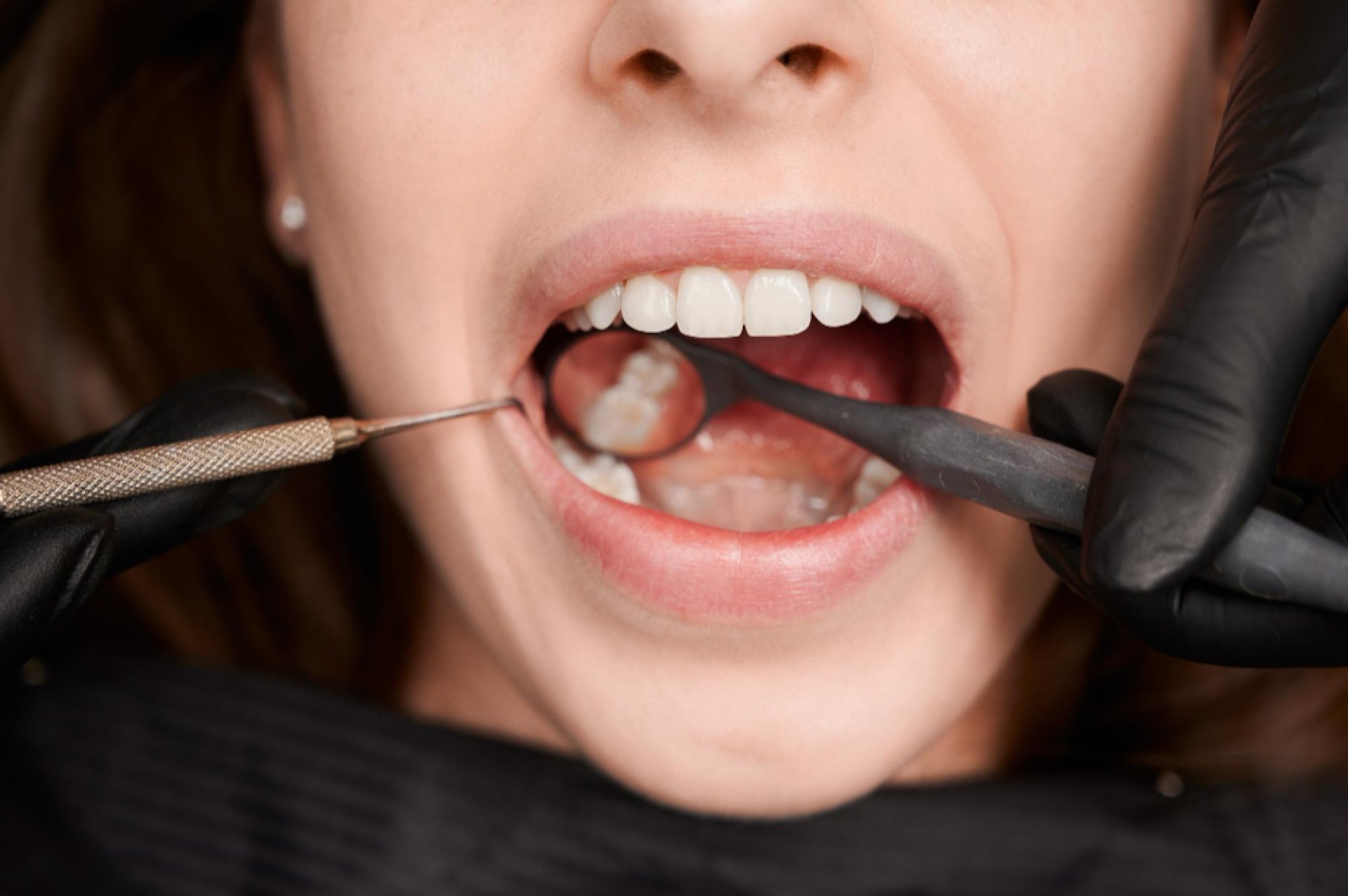
Tooth sensitivity when drinking cold water or noticing small dark spots on the surface of your teeth are common oral health problems affecting people of all ages. Many people often wonder what exactly causes tooth decay. Some individuals brush their teeth daily yet still develop cavities, while others frequently consume sweets but seem to maintain strong teeth.
Misunderstandings about the causes of tooth decay can lead to improper oral care habits, allowing small problems to develop into serious dental issues. This article explains clearly what causes tooth decay, the biological process behind it, early warning signs you can recognize, and practical prevention methods to maintain long-term oral health.
How Does Tooth Decay Occur?
To understand the causes of tooth decay, it is important to first understand the natural processes occurring inside the mouth. Our mouths naturally contain millions of bacteria. When we consume foods rich in carbohydrates and sugars, these bacteria break down the food particles and produce acids as a byproduct.
These acids gradually erode the minerals in the tooth enamel—the protective outer layer of the tooth. Over time, this erosion weakens the enamel and eventually forms cavities or holes in the teeth.
4 Main Factors That Cause Tooth Decay
Tooth decay usually develops when four main factors work together:
Tooth Structure
Some people naturally have deeper grooves or weaker enamel, making it easier for food particles and bacteria to accumulate in areas that are difficult to clean.
Bacteria
Certain bacteria, especially Streptococcus mutans, play a major role in producing acids that damage tooth enamel.
Carbohydrates
Sugary foods, snacks, starches, and soft drinks provide an energy source for bacteria, enabling them to produce more acid.
Time
If food debris and bacteria remain in the mouth for extended periods without proper cleaning, acid production continues and progressively damages the tooth structure.
Early Warning Signs of Tooth Decay
You do not have to wait until severe tooth pain occurs. Several early signs can indicate the beginning stages of tooth decay:
Chalky white spots on teeth
This is often the earliest sign of mineral loss. Early treatment may reverse the damage.
Brown or black discoloration
These darker spots indicate that enamel damage has progressed and cavities may be forming.
Tooth sensitivity
Sensitivity to hot, cold, or sweet foods may signal enamel erosion.
Food frequently getting stuck between teeth
Cavities between teeth often trap food particles that brushing alone cannot remove.
Stages of Tooth Decay
Understanding the progression of tooth decay helps determine the appropriate treatment.
Stage 1: Enamel Decay
At this early stage, there is typically no pain. Dentists may recommend fluoride treatment to restore minerals and strengthen the enamel.
Stage 2: Dentin Decay
Once decay penetrates the enamel and reaches the dentin layer, tooth sensitivity becomes more noticeable. Dental fillings are usually required to restore the tooth.
Stage 3: Pulp Infection
When decay reaches the pulp (the inner part of the tooth containing nerves and blood vessels), severe pain may occur. At this stage, root canal treatment is typically required to save the tooth.
Effective Ways to Prevent Tooth Decay
Understanding what causes tooth decay allows you to prevent it through proper oral care habits:
Follow the 2-2-2 brushing rule
Brush at least twice a day, brush for two minutes each time, and avoid eating for two hours after brushing.
Use fluoride toothpaste
Toothpaste containing 1,000–1,500 ppm fluoride helps strengthen enamel and repair early mineral loss.
Floss daily
Dental floss removes plaque and food debris from areas where toothbrushes cannot reach.
Limit frequent snacking
Constant snacking keeps the mouth acidic, preventing teeth from naturally repairing themselves.
While proper daily care is essential, regular dental check-ups are equally important. If you notice tooth pain, discoloration, or suspect early tooth decay, consulting a dental professional can help diagnose and treat the issue before it worsens.
Pasook Dental Clinic provides comprehensive dental care with modern equipment and experienced dental specialists. The clinic offers thorough dental examinations to identify the root cause of oral health issues and provide personalized treatment plans.
Services include cavity fillings, scaling and polishing, preventive dental care, and many other treatments designed to maintain long-term oral health. With multiple convenient locations, a clean and comfortable environment, and internationally recognized safety standards, Pasook Dental Clinic is committed to helping patients maintain healthy teeth and confident smiles.
Misunderstandings about the causes of tooth decay can lead to improper oral care habits, allowing small problems to develop into serious dental issues. This article explains clearly what causes tooth decay, the biological process behind it, early warning signs you can recognize, and practical prevention methods to maintain long-term oral health.
How Does Tooth Decay Occur?
To understand the causes of tooth decay, it is important to first understand the natural processes occurring inside the mouth. Our mouths naturally contain millions of bacteria. When we consume foods rich in carbohydrates and sugars, these bacteria break down the food particles and produce acids as a byproduct.
These acids gradually erode the minerals in the tooth enamel—the protective outer layer of the tooth. Over time, this erosion weakens the enamel and eventually forms cavities or holes in the teeth.
4 Main Factors That Cause Tooth Decay
Tooth decay usually develops when four main factors work together:
Tooth Structure
Some people naturally have deeper grooves or weaker enamel, making it easier for food particles and bacteria to accumulate in areas that are difficult to clean.
Bacteria
Certain bacteria, especially Streptococcus mutans, play a major role in producing acids that damage tooth enamel.
Carbohydrates
Sugary foods, snacks, starches, and soft drinks provide an energy source for bacteria, enabling them to produce more acid.
Time
If food debris and bacteria remain in the mouth for extended periods without proper cleaning, acid production continues and progressively damages the tooth structure.
Early Warning Signs of Tooth Decay
You do not have to wait until severe tooth pain occurs. Several early signs can indicate the beginning stages of tooth decay:
Chalky white spots on teeth
This is often the earliest sign of mineral loss. Early treatment may reverse the damage.
Brown or black discoloration
These darker spots indicate that enamel damage has progressed and cavities may be forming.
Tooth sensitivity
Sensitivity to hot, cold, or sweet foods may signal enamel erosion.
Food frequently getting stuck between teeth
Cavities between teeth often trap food particles that brushing alone cannot remove.
Stages of Tooth Decay
Understanding the progression of tooth decay helps determine the appropriate treatment.
Stage 1: Enamel Decay
At this early stage, there is typically no pain. Dentists may recommend fluoride treatment to restore minerals and strengthen the enamel.
Stage 2: Dentin Decay
Once decay penetrates the enamel and reaches the dentin layer, tooth sensitivity becomes more noticeable. Dental fillings are usually required to restore the tooth.
Stage 3: Pulp Infection
When decay reaches the pulp (the inner part of the tooth containing nerves and blood vessels), severe pain may occur. At this stage, root canal treatment is typically required to save the tooth.
Effective Ways to Prevent Tooth Decay
Understanding what causes tooth decay allows you to prevent it through proper oral care habits:
Follow the 2-2-2 brushing rule
Brush at least twice a day, brush for two minutes each time, and avoid eating for two hours after brushing.
Use fluoride toothpaste
Toothpaste containing 1,000–1,500 ppm fluoride helps strengthen enamel and repair early mineral loss.
Floss daily
Dental floss removes plaque and food debris from areas where toothbrushes cannot reach.
Limit frequent snacking
Constant snacking keeps the mouth acidic, preventing teeth from naturally repairing themselves.
While proper daily care is essential, regular dental check-ups are equally important. If you notice tooth pain, discoloration, or suspect early tooth decay, consulting a dental professional can help diagnose and treat the issue before it worsens.
Pasook Dental Clinic provides comprehensive dental care with modern equipment and experienced dental specialists. The clinic offers thorough dental examinations to identify the root cause of oral health issues and provide personalized treatment plans.
Services include cavity fillings, scaling and polishing, preventive dental care, and many other treatments designed to maintain long-term oral health. With multiple convenient locations, a clean and comfortable environment, and internationally recognized safety standards, Pasook Dental Clinic is committed to helping patients maintain healthy teeth and confident smiles.
Related Content

Invisalign or metal braces? Compare pros, limitations, cost, and appearance to find the right orthodontic solution for your smile.

Wondering how many types of impacted wisdom teeth there are? Learn about each type, severity levels, warning risks, and detailed treatment steps so you can prepare before visiting a dentist.

Discover 5 signs you may need a second round of orthodontic to regain your smile and fix relapse from your first treatment.