Are Metal Braces Worth It? Pros, Cons, Cost, and Who They’re Best For
Last updated: 29 May 2026
904 Views
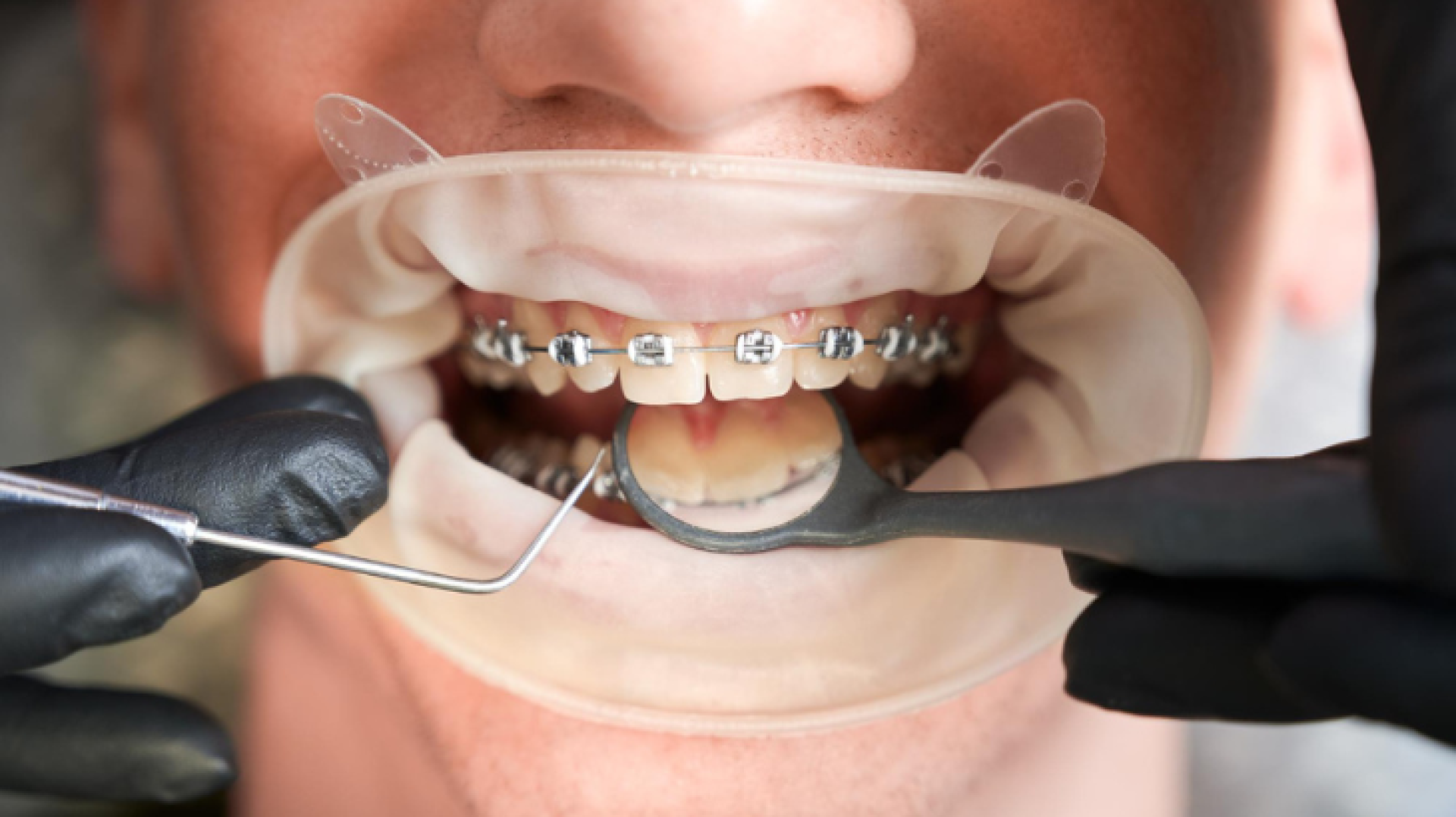
Metal braces remain the most popular orthodontic treatment because they are durable, highly effective, and affordable. They can correct all types of dental alignment issues, including crowded teeth, gaps, and bite problems, at a lower cost compared to other orthodontic options (typically around 35,000–50,000 THB). Their key advantage is the ability to handle complex cases with precise results, while patients can also customize colorful elastic bands for a more personalized look. However, metal braces are more visible and require extra attention to oral hygiene. They are especially suitable for students, young adults, and anyone with complicated dental structure issues who wants reliable and accurate treatment outcomes.
Having a confident smile and well-aligned teeth is something many people desire. One of the most trusted and widely used solutions over the years is metal braces. This orthodontic method is known for its high treatment efficiency and its ability to solve a wide range of dental problems, such as crooked teeth, spacing issues, and improper bites.
Even with newer orthodontic technologies available today, many people still wonder whether metal braces are a good choice. What are the advantages and disadvantages? How much do they cost? And who are they best suited for? This guide will help you understand everything you need to know before starting your smile transformation journey.
What Are Metal Braces?
Metal braces, also known as traditional braces, are a long-established orthodontic treatment recognized for their effectiveness and reliability. The appliance is made from medical-grade stainless steel, which is strong, durable, rust-resistant, and safe for the body.
The main components include:
Brackets attached to the surface of each tooth
Archwires that apply gentle pressure to move teeth into proper alignment
Elastic bands (O-rings) that hold the wire in place and can be customized in different colors
Metal braces combine advanced dental science with mechanical precision, making them one of the most dependable orthodontic solutions available.
Are Metal Braces Good? Why Are They Still So Popular?
Whether metal braces are “good” depends on each person’s needs and lifestyle. However, the main reasons they remain popular are effectiveness and value for money.
Metal braces are extremely strong and capable of treating even severe orthodontic problems, such as significant overbites or heavily crowded teeth. The metal structure can withstand continuous pressure, allowing teeth to move accurately and efficiently throughout treatment.
Compared to other orthodontic options, metal braces are generally the most budget-friendly while still delivering highly reliable results. This balance between affordability and performance is what keeps them a top choice for many patients.
Advantages of Metal Braces You Should Know
Highly Effective Treatment
Metal braces can treat all types of orthodontic problems, from mild cases to highly complex conditions such as severe crowding, twisted teeth, or major bite misalignment.
Affordable Cost
Compared to clear aligners or ceramic braces, metal braces are usually the most budget-friendly orthodontic option, making them accessible to a wider range of patients.
Fun and Customizable Colors
For teenagers and people who enjoy expressing their style, changing the color of elastic bands every month is one of the most enjoyable parts of wearing braces.
Strong and Durable
Metal brackets are less likely to break compared to ceramic braces, so patients generally worry less about damaging the appliance while eating.
Precise Tooth Movement Control
Orthodontists can carefully adjust the direction and pressure applied to the teeth each month, allowing for highly accurate treatment results.
Disadvantages and Limitations to Consider
Less Aesthetic Appearance
Because the metal brackets are clearly visible, they may not be ideal for people who prefer a more natural appearance or work in image-focused professions such as modeling or hospitality.
Initial Discomfort
During the first few weeks, the metal parts may rub against the cheeks and lips, potentially causing mouth ulcers or irritation. Orthodontic wax is often used to reduce discomfort.
More Challenging Oral Hygiene
Brushing and flossing require extra effort because food particles can easily get trapped around the brackets and wires.
Food Restrictions
Patients should avoid very hard, sticky, or crunchy foods, as these can loosen brackets or bend the wires.
The Metal Braces Process: From Start to Finish
Preparing for metal braces is just as important as the treatment itself. The orthodontist will first perform a detailed oral examination, including X-rays and dental impressions to create a treatment plan.
Before the braces are attached, patients may need preliminary dental work such as cavity fillings, scaling, or tooth extractions depending on their condition. Once the mouth is ready, the braces are bonded to the teeth.
After that, patients usually visit the orthodontist every 4–5 weeks for wire adjustments and elastic band changes. During these appointments, gradual improvements in tooth alignment become visible month by month until the desired smile is achieved.
Differences Between Metal Braces and Other Orthodontic Options
When comparing metal braces with ceramic braces, the main difference is appearance. Ceramic braces use tooth-colored materials that blend more naturally with the teeth, but they are generally more expensive and more fragile than metal braces.
Compared to the Damon System, which uses self-ligating brackets, Damon braces reduce friction and may allow teeth to move slightly faster with less discomfort during adjustments. However, the cost is significantly higher than traditional metal braces.
Meanwhile, clear aligners such as Invisalign focus on convenience and aesthetics. They can be removed for eating and cleaning, offering greater freedom and comfort than fixed braces. However, they may not be suitable for every complex orthodontic case.
How to Manage Pain During the First Stage of Metal Braces
It is completely normal to experience soreness or tooth sensitivity during the first week after getting metal braces, or after each monthly wire adjustment. This happens because the teeth are being gradually moved into new positions through controlled pressure.
To reduce discomfort, it is recommended to eat soft foods such as porridge, soup, mashed potatoes, or soft pasta during this period. Avoid chewing hard foods, especially in the first few days after adjustments. If the pain becomes uncomfortable, over-the-counter pain relief medication may help, following your orthodontist’s advice. Fortunately, the discomfort usually fades as your mouth adapts to the pressure.
Foods to Avoid and Recommended Eating Habits
People who enjoy snacking may need to adjust some eating habits while wearing metal braces to prevent damage to the appliance.
Sticky sweets such as caramel, chewing gum, and nougat should be avoided because they can wrap around the wires and are difficult to clean. Hard fruits like apples or guavas should not be bitten directly with the front teeth. Instead, they should be cut into small pieces and chewed with the back teeth.
Being careful about food choices not only protects the braces from damage but also reduces the risk of tooth decay during orthodontic treatment.
Oral Hygiene Tips for People with Metal Braces
Maintaining oral hygiene while wearing metal braces can be challenging, but it is one of the most important parts of treatment.
Essential cleaning tools include:
An orthodontic toothbrush with a special groove designed to clean around brackets
Interdental brushes for removing food trapped beneath the wires
Super Floss or orthodontic floss that can pass under the archwire
Brushing at least twice a day, or ideally after every meal, helps prevent bad breath, plaque buildup, and gum inflammation that could interrupt treatment progress.
Metal Braces Cost and Payment Plans
The average cost of metal braces typically ranges from 35,000 to 50,000 THB, depending on the complexity of the case and the clinic’s pricing policy.
One major advantage is that many dental clinics offer installment payment plans. Patients often pay an initial deposit followed by monthly payments during adjustment appointments. This makes orthodontic treatment more financially manageable for students and working adults, allowing them to begin treatment without needing a large upfront payment.
For many people, metal braces remain one of the most cost-effective ways to improve both dental health and overall confidence.
Who Are Metal Braces Best Suited For?
Metal braces are especially suitable for the following groups of people:
Students or university students who have a limited budget and want long-term value
People with severe or complex dental alignment issues, such as heavily crowded teeth or significant overbites
Those who do not mind visible braces and enjoy changing elastic band colors every month
Individuals who may struggle with the discipline required for removable aligners, since metal braces stay fixed in place and continuously guide tooth movement according to plan
People whose daily activities or sports do not frequently involve heavy impact to the face
How to Care for Your Teeth After Braces Removal
Completing metal braces treatment does not mean the journey is entirely over. The most important step after braces removal is wearing a retainer exactly as instructed by the orthodontist.
After teeth have been moved into new positions, the surrounding bone and tissues still need time to stabilize. Without wearing a retainer consistently, the teeth can gradually shift back to their original positions — a condition commonly known as “relapse.”
In severe cases, patients may even need to undergo orthodontic treatment again. This is why post-treatment discipline is just as important as the braces process itself.
Final Thoughts on Choosing Metal Braces
Choosing metal braces is a worthwhile investment in your future smile and confidence. Although the treatment requires extra care with food choices and oral hygiene, the long-term result of straight, healthy teeth can last a lifetime.
The most important step is consulting with an experienced orthodontist who can evaluate your dental structure and create the most suitable treatment plan for your specific needs.
For those looking for a trusted dental clinic, Pasook Dental Clinic is an excellent option. The clinic maintains high safety standards and is equipped with modern dental technology that helps make orthodontic treatment more efficient and comfortable.
At Pasook Dental Clinic, experienced dental specialists provide detailed consultations and personalized treatment planning to ensure the best possible results while minimizing discomfort and complications. In addition to professional expertise, the clinic also offers multiple convenient branches, making dental care more accessible and ensuring a positive experience from start to finish.
FAQ About Metal Braces
1. How long does metal braces treatment usually take?
On average, treatment takes around 1.5 to 3 years, depending on the patient’s dental condition and consistency in attending adjustment appointments.
2. Do metal braces hurt?
Patients usually experience tightness or soreness during the first 3–7 days after getting braces or after wire adjustments. The discomfort gradually decreases as the mouth adapts.
3. Do I need tooth extraction before getting metal braces?
Not always. Orthodontists decide based on available jaw space. If the teeth are severely crowded or the mouth protrudes significantly, tooth extraction may be necessary to create enough room for proper alignment.
4. Which elastic band colors make teeth look whiter?
Dark shades such as navy blue, deep purple, or burgundy tend to make teeth appear whiter and brighten the overall smile. Yellow or very light colors are usually avoided because they may make teeth look stained.
5. What should I do if a bracket comes loose?
If a bracket becomes detached, contact the dental clinic as soon as possible to schedule a repair appointment. Leaving it untreated for too long may slow down tooth movement and extend the overall treatment time.
Having a confident smile and well-aligned teeth is something many people desire. One of the most trusted and widely used solutions over the years is metal braces. This orthodontic method is known for its high treatment efficiency and its ability to solve a wide range of dental problems, such as crooked teeth, spacing issues, and improper bites.
Even with newer orthodontic technologies available today, many people still wonder whether metal braces are a good choice. What are the advantages and disadvantages? How much do they cost? And who are they best suited for? This guide will help you understand everything you need to know before starting your smile transformation journey.
What Are Metal Braces?
Metal braces, also known as traditional braces, are a long-established orthodontic treatment recognized for their effectiveness and reliability. The appliance is made from medical-grade stainless steel, which is strong, durable, rust-resistant, and safe for the body.
The main components include:
Brackets attached to the surface of each tooth
Archwires that apply gentle pressure to move teeth into proper alignment
Elastic bands (O-rings) that hold the wire in place and can be customized in different colors
Metal braces combine advanced dental science with mechanical precision, making them one of the most dependable orthodontic solutions available.
Are Metal Braces Good? Why Are They Still So Popular?
Whether metal braces are “good” depends on each person’s needs and lifestyle. However, the main reasons they remain popular are effectiveness and value for money.
Metal braces are extremely strong and capable of treating even severe orthodontic problems, such as significant overbites or heavily crowded teeth. The metal structure can withstand continuous pressure, allowing teeth to move accurately and efficiently throughout treatment.
Compared to other orthodontic options, metal braces are generally the most budget-friendly while still delivering highly reliable results. This balance between affordability and performance is what keeps them a top choice for many patients.
Advantages of Metal Braces You Should Know
Highly Effective Treatment
Metal braces can treat all types of orthodontic problems, from mild cases to highly complex conditions such as severe crowding, twisted teeth, or major bite misalignment.
Affordable Cost
Compared to clear aligners or ceramic braces, metal braces are usually the most budget-friendly orthodontic option, making them accessible to a wider range of patients.
Fun and Customizable Colors
For teenagers and people who enjoy expressing their style, changing the color of elastic bands every month is one of the most enjoyable parts of wearing braces.
Strong and Durable
Metal brackets are less likely to break compared to ceramic braces, so patients generally worry less about damaging the appliance while eating.
Precise Tooth Movement Control
Orthodontists can carefully adjust the direction and pressure applied to the teeth each month, allowing for highly accurate treatment results.
Disadvantages and Limitations to Consider
Less Aesthetic Appearance
Because the metal brackets are clearly visible, they may not be ideal for people who prefer a more natural appearance or work in image-focused professions such as modeling or hospitality.
Initial Discomfort
During the first few weeks, the metal parts may rub against the cheeks and lips, potentially causing mouth ulcers or irritation. Orthodontic wax is often used to reduce discomfort.
More Challenging Oral Hygiene
Brushing and flossing require extra effort because food particles can easily get trapped around the brackets and wires.
Food Restrictions
Patients should avoid very hard, sticky, or crunchy foods, as these can loosen brackets or bend the wires.
The Metal Braces Process: From Start to Finish
Preparing for metal braces is just as important as the treatment itself. The orthodontist will first perform a detailed oral examination, including X-rays and dental impressions to create a treatment plan.
Before the braces are attached, patients may need preliminary dental work such as cavity fillings, scaling, or tooth extractions depending on their condition. Once the mouth is ready, the braces are bonded to the teeth.
After that, patients usually visit the orthodontist every 4–5 weeks for wire adjustments and elastic band changes. During these appointments, gradual improvements in tooth alignment become visible month by month until the desired smile is achieved.
Differences Between Metal Braces and Other Orthodontic Options
When comparing metal braces with ceramic braces, the main difference is appearance. Ceramic braces use tooth-colored materials that blend more naturally with the teeth, but they are generally more expensive and more fragile than metal braces.
Compared to the Damon System, which uses self-ligating brackets, Damon braces reduce friction and may allow teeth to move slightly faster with less discomfort during adjustments. However, the cost is significantly higher than traditional metal braces.
Meanwhile, clear aligners such as Invisalign focus on convenience and aesthetics. They can be removed for eating and cleaning, offering greater freedom and comfort than fixed braces. However, they may not be suitable for every complex orthodontic case.
How to Manage Pain During the First Stage of Metal Braces
It is completely normal to experience soreness or tooth sensitivity during the first week after getting metal braces, or after each monthly wire adjustment. This happens because the teeth are being gradually moved into new positions through controlled pressure.
To reduce discomfort, it is recommended to eat soft foods such as porridge, soup, mashed potatoes, or soft pasta during this period. Avoid chewing hard foods, especially in the first few days after adjustments. If the pain becomes uncomfortable, over-the-counter pain relief medication may help, following your orthodontist’s advice. Fortunately, the discomfort usually fades as your mouth adapts to the pressure.
Foods to Avoid and Recommended Eating Habits
People who enjoy snacking may need to adjust some eating habits while wearing metal braces to prevent damage to the appliance.
Sticky sweets such as caramel, chewing gum, and nougat should be avoided because they can wrap around the wires and are difficult to clean. Hard fruits like apples or guavas should not be bitten directly with the front teeth. Instead, they should be cut into small pieces and chewed with the back teeth.
Being careful about food choices not only protects the braces from damage but also reduces the risk of tooth decay during orthodontic treatment.
Oral Hygiene Tips for People with Metal Braces
Maintaining oral hygiene while wearing metal braces can be challenging, but it is one of the most important parts of treatment.
Essential cleaning tools include:
An orthodontic toothbrush with a special groove designed to clean around brackets
Interdental brushes for removing food trapped beneath the wires
Super Floss or orthodontic floss that can pass under the archwire
Brushing at least twice a day, or ideally after every meal, helps prevent bad breath, plaque buildup, and gum inflammation that could interrupt treatment progress.
Metal Braces Cost and Payment Plans
The average cost of metal braces typically ranges from 35,000 to 50,000 THB, depending on the complexity of the case and the clinic’s pricing policy.
One major advantage is that many dental clinics offer installment payment plans. Patients often pay an initial deposit followed by monthly payments during adjustment appointments. This makes orthodontic treatment more financially manageable for students and working adults, allowing them to begin treatment without needing a large upfront payment.
For many people, metal braces remain one of the most cost-effective ways to improve both dental health and overall confidence.
Who Are Metal Braces Best Suited For?
Metal braces are especially suitable for the following groups of people:
Students or university students who have a limited budget and want long-term value
People with severe or complex dental alignment issues, such as heavily crowded teeth or significant overbites
Those who do not mind visible braces and enjoy changing elastic band colors every month
Individuals who may struggle with the discipline required for removable aligners, since metal braces stay fixed in place and continuously guide tooth movement according to plan
People whose daily activities or sports do not frequently involve heavy impact to the face
How to Care for Your Teeth After Braces Removal
Completing metal braces treatment does not mean the journey is entirely over. The most important step after braces removal is wearing a retainer exactly as instructed by the orthodontist.
After teeth have been moved into new positions, the surrounding bone and tissues still need time to stabilize. Without wearing a retainer consistently, the teeth can gradually shift back to their original positions — a condition commonly known as “relapse.”
In severe cases, patients may even need to undergo orthodontic treatment again. This is why post-treatment discipline is just as important as the braces process itself.
Final Thoughts on Choosing Metal Braces
Choosing metal braces is a worthwhile investment in your future smile and confidence. Although the treatment requires extra care with food choices and oral hygiene, the long-term result of straight, healthy teeth can last a lifetime.
The most important step is consulting with an experienced orthodontist who can evaluate your dental structure and create the most suitable treatment plan for your specific needs.
For those looking for a trusted dental clinic, Pasook Dental Clinic is an excellent option. The clinic maintains high safety standards and is equipped with modern dental technology that helps make orthodontic treatment more efficient and comfortable.
At Pasook Dental Clinic, experienced dental specialists provide detailed consultations and personalized treatment planning to ensure the best possible results while minimizing discomfort and complications. In addition to professional expertise, the clinic also offers multiple convenient branches, making dental care more accessible and ensuring a positive experience from start to finish.
FAQ About Metal Braces
1. How long does metal braces treatment usually take?
On average, treatment takes around 1.5 to 3 years, depending on the patient’s dental condition and consistency in attending adjustment appointments.
2. Do metal braces hurt?
Patients usually experience tightness or soreness during the first 3–7 days after getting braces or after wire adjustments. The discomfort gradually decreases as the mouth adapts.
3. Do I need tooth extraction before getting metal braces?
Not always. Orthodontists decide based on available jaw space. If the teeth are severely crowded or the mouth protrudes significantly, tooth extraction may be necessary to create enough room for proper alignment.
4. Which elastic band colors make teeth look whiter?
Dark shades such as navy blue, deep purple, or burgundy tend to make teeth appear whiter and brighten the overall smile. Yellow or very light colors are usually avoided because they may make teeth look stained.
5. What should I do if a bracket comes loose?
If a bracket becomes detached, contact the dental clinic as soon as possible to schedule a repair appointment. Leaving it untreated for too long may slow down tooth movement and extend the overall treatment time.


Tags :
Related Content
What medication is good for gingivitis? Compare pain relievers, antibiotics, mouthwash, and gum gels, including important precautions and the risks of leaving gingivitis untreated.

Can you treat gingivitis at home effectively? Learn practical steps, a 7-day care plan, common mistakes that can make symptoms worse, and warning signs that mean it’s time to see a dentist

Protruding teeth—can braces fix them? Learn the causes, treatment options, and the most effective methods to correct buck teeth. Complete guide to solutions and visible results.