What to Eat After Wisdom Tooth Removal for Faster Healing? Recommended Foods and Important Precautions
Last updated: 15 Jun 2026
1666 Views
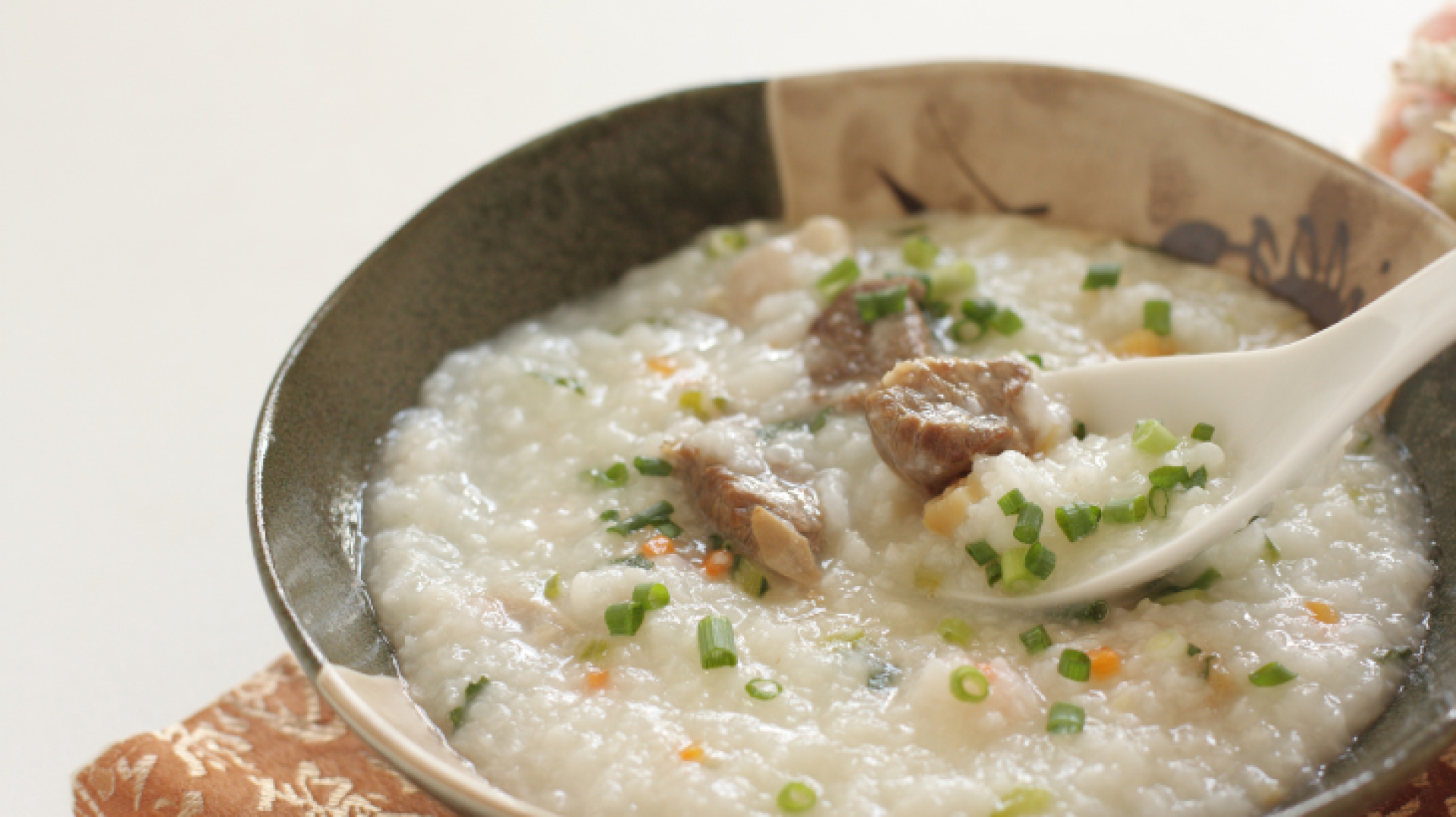
After wisdom tooth removal, it is best to eat soft foods such as rice porridge, boiled rice soup, clear soups, milk, yogurt, and mild-flavored ice cream. Avoid extremely hot, spicy, heavily seasoned foods, fermented foods, and never use a drinking straw. These precautions help protect the blood clot, reduce the risk of complications, and promote faster healing.
Facing wisdom tooth surgery can be stressful for many people, especially when thinking about recovery after the anesthesia wears off. Pain, tenderness, and swelling around the jaw can make chewing difficult, leading many patients to ask the same question: What should I eat after wisdom tooth removal to heal faster? Choosing the right foods can make eating more comfortable while providing the nutrients your body needs to repair tissues and recover efficiently. Understanding proper nutrition from the very first day after surgery can help reduce the risk of infection and support a smoother healing process.
Understanding the Healing Process After Wisdom Tooth Surgery
Once the dentist has removed the wisdom tooth and closed the surgical site, the body immediately begins the healing process. During the first 24 hours, a protective blood clot forms inside the tooth socket. This blood clot plays a critical role by covering the exposed bone and nerves, protecting them from air, food particles, and bacteria while serving as the foundation for new tissue growth.
Because of this, the foods you eat during the first week can directly affect the stability of the blood clot. Hard, crunchy, or chewy foods may dislodge the clot and lead to a painful condition known as dry socket. Therefore, the question of what to eat after wisdom tooth removal for faster healing is not simply about finding a miracle food. It is about choosing foods that protect the blood clot while supplying the nutrients needed for collagen production and tissue repair.
Proper food choices can also help regulate oral temperature, minimize irritation, reduce swelling, and support faster recovery. Understanding the right eating habits after wisdom tooth surgery can make a significant difference in how quickly and comfortably you heal.
The Best Foods to Prepare During the First 1–3 Days After Wisdom Tooth Removal
The first three days after wisdom tooth surgery are typically when the surgical site is most sensitive and swelling is at its peak. During this critical recovery period, the best answer to the question, “What should I eat after wisdom tooth removal for faster healing?” is to focus on foods that require little to no chewing and can be consumed at room temperature or slightly chilled.
Rice Porridge and Soft-Boiled Rice Soup
Rice porridge and soft-boiled rice soup are among the safest and most recommended foods after wisdom tooth removal. The rice should be cooked until very soft and allowed to cool before eating. Avoid adding excessive black pepper or spicy seasonings, as they may irritate the surgical site or become trapped in the extraction socket. To increase nutritional value, consider adding soft-cooked eggs or finely minced meat that has been thoroughly cooked until tender.
Yogurt and Ice Cream
The cool temperature of yogurt and ice cream can help reduce swelling and constrict blood vessels, which may assist in controlling minor bleeding. Choose plain or mild-flavored varieties without nuts, cookie pieces, or dried fruit that require chewing. Small food particles can become lodged in the extraction site and potentially lead to irritation or infection.
Cream Soups at Room Temperature
Smooth soups such as pumpkin soup, corn soup, or potato soup are excellent options for providing energy and essential nutrients during recovery. These soups should be blended until smooth, lightly seasoned, and allowed to cool to a comfortable temperature before consumption.
Milk and Pulp-Free Fruit Juices
Milk, soy milk, and pulp-free fruit juices can provide important nutrients without requiring significant chewing effort. Always drink directly from a cup and avoid using a straw, as suction can dislodge the protective blood clot and increase the risk of dry socket.
Foods That Help Wisdom Tooth Extraction Wounds Heal Faster
After the first three days, swelling usually begins to subside and the extraction site becomes more stable. At this stage, it is beneficial to incorporate nutrient-rich foods that support tissue regeneration and wound healing.
Soft Protein-Rich Foods Protein is one of the most important nutrients for tissue repair. Soft foods such as silken tofu, egg tofu, steamed fish, scrambled eggs, and smooth steamed egg custard provide high-quality protein while remaining easy to eat without putting pressure on the surgical area.
Soft-Cooked Vegetables Rich in Vitamin C and Zinc Vitamin C and zinc play essential roles in collagen production and tissue regeneration. Soft vegetables such as pumpkin, Chinese cabbage, and tomatoes can be cooked until tender enough to mash easily with the tongue, making them ideal for the healing period.
Smooth Mashed Potatoes Mashed potatoes provide easily digestible carbohydrates that help maintain energy levels during recovery. Their soft texture makes them comfortable to swallow and gentle on the surgical site.
Consuming adequate amounts of protein, vitamins, and minerals can help accelerate gum tissue repair, support faster closure of the extraction socket, reduce discomfort, and allow you to return to your normal diet sooner.
Why Cold Foods Are Important During the First Stage of Recovery
Many patients wonder why dentists often recommend consuming cold foods and beverages, such as ice cream or chilled water, immediately after wisdom tooth removal. The reason is that cold temperatures act as a natural anesthetic and help control bleeding. When tissues are exposed to cold, the blood vessels around the surgical site constrict, reducing blood flow and helping bleeding stop more quickly.
In addition, cold foods help minimize the body's inflammatory response during the initial healing phase. This can significantly reduce swelling and discomfort around the cheeks and jaw. Therefore, consuming cold foods on the first day after surgery is not simply about comfort—it is an important medical strategy that helps control pain and support early healing.
Soft Protein Sources That Are Easy on the Gums
Protein plays a critical role in repairing damaged cells and tissues. However, chewing regular meats such as pork, chicken, or beef can be difficult and uncomfortable during the first few days after surgery. For this reason, dentists often recommend softer protein alternatives that require minimal chewing.
Excellent options include steamed egg custard, soft-boiled eggs, mashed hard-boiled eggs, pasteurized milk, soy milk, and various types of tofu such as silken tofu and egg tofu. These foods are rich in essential amino acids that help the body build new gum tissue and promote healing without irritating the surgical site.
High-Energy Carbohydrates That Require Minimal Chewing
The body requires a significant amount of energy during recovery. Consuming only liquids or clear soups may leave you feeling fatigued and could potentially slow the healing process. Choosing the right carbohydrate sources is therefore important.
In addition to rice porridge and soft rice soup, mashed potatoes mixed with a small amount of milk or butter, well-cooked oatmeal, and soft pasta cut into small pieces are excellent choices. These foods provide sustained energy, promote satiety, and can often be swallowed easily with minimal chewing.
Vitamins and Minerals That Support Faster Healing
Efficient wound healing depends on several key vitamins and minerals, particularly vitamin C, vitamin A, and zinc. These nutrients support collagen production and accelerate the regeneration of gum tissue.
Good sources include mild fruit smoothies, avocado smoothies, cantaloupe milk drinks, and creamy pumpkin soup. Consuming foods rich in these nutrients helps strengthen the immune system, reduces the risk of prolonged inflammation, and supports faster restoration of healthy gum tissue.
Foods and Habits You Should Strictly Avoid
Knowing what to eat is important, but understanding what to avoid is equally essential. Certain foods and beverages can damage the surgical site, increase inflammation, and delay healing.
Spicy, Hot, Sour, and Strongly Seasoned Foods
Spicy foods, acidic ingredients, and excessively hot foods can irritate newly forming tissues around the extraction site. This may cause discomfort, inflammation, and even trigger renewed bleeding.
Hard, Crunchy, and Chewy Foods
Foods such as chips, nuts, crispy pork rinds, sticky rice, and tough meats should be avoided. These foods require significant chewing force and may produce sharp fragments that can injure the gums or become trapped in the surgical wound.
Raw, Undercooked, and Fermented Foods
Fermented foods and undercooked meats may contain bacteria that increase the risk of infection. If harmful bacteria enter the extraction socket, they can cause inflammation, abscess formation, and unpleasant odors.
Alcohol and High-Caffeine Beverages
Alcohol can interfere with blood clot formation and significantly slow healing. It may also interact negatively with pain medications or antibiotics prescribed by your dentist. Excessive caffeine consumption may contribute to dehydration and should be limited during recovery.
Eating Habits That Support Faster Recovery
In addition to choosing the right foods, proper eating habits can greatly influence how quickly you recover after wisdom tooth removal.
Avoid Using Straws
This is one of the most important aftercare instructions. Using a straw creates suction inside the mouth, which can dislodge the protective blood clot covering the extraction site. This may lead to prolonged bleeding and a painful condition known as dry socket.
Chew on the Opposite Side of the Mouth
Whenever possible, chew using the side of the mouth that was not treated. This helps minimize irritation to the surgical site and reduces the likelihood of food particles becoming trapped around the sutures.
Do Not Swish or Rinse Forcefully
Maintaining oral hygiene is essential after eating, but avoid vigorous rinsing. Instead, gently hold clean water or a saline solution in your mouth and slowly tilt your head from side to side before allowing the liquid to flow out naturally. This helps keep the area clean without disturbing the healing blood clot.
Warning Signs After Eating That Require Immediate Dental Attention
Occasionally, complications can occur during the recovery period, especially if the surgical site is accidentally irritated while eating. If you experience any of the following symptoms several days after your wisdom tooth surgery, contact your dentist as soon as possible.
Heavy fresh bleeding that continues after eating and does not stop even after applying pressure with gauze.
Increasing pain and discomfort after the third day of recovery that does not improve with prescribed pain medication.
A large piece of food becoming lodged deep inside the extraction socket and cannot be removed by gentle rinsing. Never attempt to remove it with a toothpick, cotton swab, or other sharp objects.
High fever, severe facial swelling that affects the eye area, or pus with a bitter or unpleasant taste draining from the wound.
These symptoms may indicate infection, premature loss of the protective blood clot, or other complications that require professional treatment. Prompt dental care can help prevent more serious problems and support proper healing.
Summary: Dietary Guidelines for Faster Recovery After Wisdom Tooth Removal
Proper nutrition, combined with good oral hygiene and adequate rest, is one of the most effective ways to promote faster healing after wisdom tooth surgery. Choosing soft, mild-flavored foods, avoiding activities that may disrupt the blood clot, and following your dentist’s instructions carefully can significantly improve the recovery process and help you return to your normal diet sooner.
At Pasook Dental Clinic, our experienced dental professionals are committed to providing expert guidance and personalized care throughout every stage of your treatment and recovery. With modern dental technology, international standards of care, and multiple convenient locations, we ensure that every patient receives safe, comfortable, and high-quality dental treatment. Our goal is to help you achieve a healthy smile and long-lasting oral health.
Frequently Asked Questions (FAQ)
1. What should I eat after wisdom tooth removal to heal faster, and when can I start eating?
After the procedure, you should bite on the gauze pad for one to two hours until the bleeding has stopped. Once the bleeding is under control, you can begin eating soft, cool foods such as chilled rice porridge, yogurt, or ice cream. These foods may help soothe the area and support early healing.
2. Can I eat rice porridge or minced pork porridge on the first day?
Yes. Rice porridge can be eaten on the first day after surgery, provided it has cooled to room temperature or is only slightly warm. Any meat included should be finely minced and very soft to prevent irritation of the extraction site.
3. How long should I wait before eating spicy foods again?
It is generally recommended to avoid spicy foods for approximately five to seven days, or until your follow-up appointment confirms that the gum tissue is healing properly. This helps reduce the risk of irritation and inflammation.
4. What should I do if food gets stuck in the extraction site?
Do not attempt to remove trapped food with your fingers, toothpicks, or sharp objects. Instead, gently rinse your mouth with clean water or warm saltwater several times. If the food remains stuck or you begin experiencing pain, contact your dentist for assistance.
5. Why should I avoid soft drinks, tea, and coffee after wisdom tooth surgery?
Carbonated soft drinks are acidic and may irritate the healing tissues. Tea and coffee contain caffeine, which may increase blood pressure and potentially contribute to prolonged bleeding. Additionally, hot beverages can interfere with the blood clot that protects the extraction site. For these reasons, it is advisable to avoid these drinks during the first few days of recovery.
Facing wisdom tooth surgery can be stressful for many people, especially when thinking about recovery after the anesthesia wears off. Pain, tenderness, and swelling around the jaw can make chewing difficult, leading many patients to ask the same question: What should I eat after wisdom tooth removal to heal faster? Choosing the right foods can make eating more comfortable while providing the nutrients your body needs to repair tissues and recover efficiently. Understanding proper nutrition from the very first day after surgery can help reduce the risk of infection and support a smoother healing process.
Understanding the Healing Process After Wisdom Tooth Surgery
Once the dentist has removed the wisdom tooth and closed the surgical site, the body immediately begins the healing process. During the first 24 hours, a protective blood clot forms inside the tooth socket. This blood clot plays a critical role by covering the exposed bone and nerves, protecting them from air, food particles, and bacteria while serving as the foundation for new tissue growth.
Because of this, the foods you eat during the first week can directly affect the stability of the blood clot. Hard, crunchy, or chewy foods may dislodge the clot and lead to a painful condition known as dry socket. Therefore, the question of what to eat after wisdom tooth removal for faster healing is not simply about finding a miracle food. It is about choosing foods that protect the blood clot while supplying the nutrients needed for collagen production and tissue repair.
Proper food choices can also help regulate oral temperature, minimize irritation, reduce swelling, and support faster recovery. Understanding the right eating habits after wisdom tooth surgery can make a significant difference in how quickly and comfortably you heal.
The Best Foods to Prepare During the First 1–3 Days After Wisdom Tooth Removal
The first three days after wisdom tooth surgery are typically when the surgical site is most sensitive and swelling is at its peak. During this critical recovery period, the best answer to the question, “What should I eat after wisdom tooth removal for faster healing?” is to focus on foods that require little to no chewing and can be consumed at room temperature or slightly chilled.
Rice Porridge and Soft-Boiled Rice Soup
Rice porridge and soft-boiled rice soup are among the safest and most recommended foods after wisdom tooth removal. The rice should be cooked until very soft and allowed to cool before eating. Avoid adding excessive black pepper or spicy seasonings, as they may irritate the surgical site or become trapped in the extraction socket. To increase nutritional value, consider adding soft-cooked eggs or finely minced meat that has been thoroughly cooked until tender.
Yogurt and Ice Cream
The cool temperature of yogurt and ice cream can help reduce swelling and constrict blood vessels, which may assist in controlling minor bleeding. Choose plain or mild-flavored varieties without nuts, cookie pieces, or dried fruit that require chewing. Small food particles can become lodged in the extraction site and potentially lead to irritation or infection.
Cream Soups at Room Temperature
Smooth soups such as pumpkin soup, corn soup, or potato soup are excellent options for providing energy and essential nutrients during recovery. These soups should be blended until smooth, lightly seasoned, and allowed to cool to a comfortable temperature before consumption.
Milk and Pulp-Free Fruit Juices
Milk, soy milk, and pulp-free fruit juices can provide important nutrients without requiring significant chewing effort. Always drink directly from a cup and avoid using a straw, as suction can dislodge the protective blood clot and increase the risk of dry socket.
Foods That Help Wisdom Tooth Extraction Wounds Heal Faster
After the first three days, swelling usually begins to subside and the extraction site becomes more stable. At this stage, it is beneficial to incorporate nutrient-rich foods that support tissue regeneration and wound healing.
Soft Protein-Rich Foods Protein is one of the most important nutrients for tissue repair. Soft foods such as silken tofu, egg tofu, steamed fish, scrambled eggs, and smooth steamed egg custard provide high-quality protein while remaining easy to eat without putting pressure on the surgical area.
Soft-Cooked Vegetables Rich in Vitamin C and Zinc Vitamin C and zinc play essential roles in collagen production and tissue regeneration. Soft vegetables such as pumpkin, Chinese cabbage, and tomatoes can be cooked until tender enough to mash easily with the tongue, making them ideal for the healing period.
Smooth Mashed Potatoes Mashed potatoes provide easily digestible carbohydrates that help maintain energy levels during recovery. Their soft texture makes them comfortable to swallow and gentle on the surgical site.
Consuming adequate amounts of protein, vitamins, and minerals can help accelerate gum tissue repair, support faster closure of the extraction socket, reduce discomfort, and allow you to return to your normal diet sooner.
Why Cold Foods Are Important During the First Stage of Recovery
Many patients wonder why dentists often recommend consuming cold foods and beverages, such as ice cream or chilled water, immediately after wisdom tooth removal. The reason is that cold temperatures act as a natural anesthetic and help control bleeding. When tissues are exposed to cold, the blood vessels around the surgical site constrict, reducing blood flow and helping bleeding stop more quickly.
In addition, cold foods help minimize the body's inflammatory response during the initial healing phase. This can significantly reduce swelling and discomfort around the cheeks and jaw. Therefore, consuming cold foods on the first day after surgery is not simply about comfort—it is an important medical strategy that helps control pain and support early healing.
Soft Protein Sources That Are Easy on the Gums
Protein plays a critical role in repairing damaged cells and tissues. However, chewing regular meats such as pork, chicken, or beef can be difficult and uncomfortable during the first few days after surgery. For this reason, dentists often recommend softer protein alternatives that require minimal chewing.
Excellent options include steamed egg custard, soft-boiled eggs, mashed hard-boiled eggs, pasteurized milk, soy milk, and various types of tofu such as silken tofu and egg tofu. These foods are rich in essential amino acids that help the body build new gum tissue and promote healing without irritating the surgical site.
High-Energy Carbohydrates That Require Minimal Chewing
The body requires a significant amount of energy during recovery. Consuming only liquids or clear soups may leave you feeling fatigued and could potentially slow the healing process. Choosing the right carbohydrate sources is therefore important.
In addition to rice porridge and soft rice soup, mashed potatoes mixed with a small amount of milk or butter, well-cooked oatmeal, and soft pasta cut into small pieces are excellent choices. These foods provide sustained energy, promote satiety, and can often be swallowed easily with minimal chewing.
Vitamins and Minerals That Support Faster Healing
Efficient wound healing depends on several key vitamins and minerals, particularly vitamin C, vitamin A, and zinc. These nutrients support collagen production and accelerate the regeneration of gum tissue.
Good sources include mild fruit smoothies, avocado smoothies, cantaloupe milk drinks, and creamy pumpkin soup. Consuming foods rich in these nutrients helps strengthen the immune system, reduces the risk of prolonged inflammation, and supports faster restoration of healthy gum tissue.
Foods and Habits You Should Strictly Avoid
Knowing what to eat is important, but understanding what to avoid is equally essential. Certain foods and beverages can damage the surgical site, increase inflammation, and delay healing.
Spicy, Hot, Sour, and Strongly Seasoned Foods
Spicy foods, acidic ingredients, and excessively hot foods can irritate newly forming tissues around the extraction site. This may cause discomfort, inflammation, and even trigger renewed bleeding.
Hard, Crunchy, and Chewy Foods
Foods such as chips, nuts, crispy pork rinds, sticky rice, and tough meats should be avoided. These foods require significant chewing force and may produce sharp fragments that can injure the gums or become trapped in the surgical wound.
Raw, Undercooked, and Fermented Foods
Fermented foods and undercooked meats may contain bacteria that increase the risk of infection. If harmful bacteria enter the extraction socket, they can cause inflammation, abscess formation, and unpleasant odors.
Alcohol and High-Caffeine Beverages
Alcohol can interfere with blood clot formation and significantly slow healing. It may also interact negatively with pain medications or antibiotics prescribed by your dentist. Excessive caffeine consumption may contribute to dehydration and should be limited during recovery.
Eating Habits That Support Faster Recovery
In addition to choosing the right foods, proper eating habits can greatly influence how quickly you recover after wisdom tooth removal.
Avoid Using Straws
This is one of the most important aftercare instructions. Using a straw creates suction inside the mouth, which can dislodge the protective blood clot covering the extraction site. This may lead to prolonged bleeding and a painful condition known as dry socket.
Chew on the Opposite Side of the Mouth
Whenever possible, chew using the side of the mouth that was not treated. This helps minimize irritation to the surgical site and reduces the likelihood of food particles becoming trapped around the sutures.
Do Not Swish or Rinse Forcefully
Maintaining oral hygiene is essential after eating, but avoid vigorous rinsing. Instead, gently hold clean water or a saline solution in your mouth and slowly tilt your head from side to side before allowing the liquid to flow out naturally. This helps keep the area clean without disturbing the healing blood clot.
Warning Signs After Eating That Require Immediate Dental Attention
Occasionally, complications can occur during the recovery period, especially if the surgical site is accidentally irritated while eating. If you experience any of the following symptoms several days after your wisdom tooth surgery, contact your dentist as soon as possible.
Heavy fresh bleeding that continues after eating and does not stop even after applying pressure with gauze.
Increasing pain and discomfort after the third day of recovery that does not improve with prescribed pain medication.
A large piece of food becoming lodged deep inside the extraction socket and cannot be removed by gentle rinsing. Never attempt to remove it with a toothpick, cotton swab, or other sharp objects.
High fever, severe facial swelling that affects the eye area, or pus with a bitter or unpleasant taste draining from the wound.
These symptoms may indicate infection, premature loss of the protective blood clot, or other complications that require professional treatment. Prompt dental care can help prevent more serious problems and support proper healing.
Summary: Dietary Guidelines for Faster Recovery After Wisdom Tooth Removal
Proper nutrition, combined with good oral hygiene and adequate rest, is one of the most effective ways to promote faster healing after wisdom tooth surgery. Choosing soft, mild-flavored foods, avoiding activities that may disrupt the blood clot, and following your dentist’s instructions carefully can significantly improve the recovery process and help you return to your normal diet sooner.
At Pasook Dental Clinic, our experienced dental professionals are committed to providing expert guidance and personalized care throughout every stage of your treatment and recovery. With modern dental technology, international standards of care, and multiple convenient locations, we ensure that every patient receives safe, comfortable, and high-quality dental treatment. Our goal is to help you achieve a healthy smile and long-lasting oral health.
Frequently Asked Questions (FAQ)
1. What should I eat after wisdom tooth removal to heal faster, and when can I start eating?
After the procedure, you should bite on the gauze pad for one to two hours until the bleeding has stopped. Once the bleeding is under control, you can begin eating soft, cool foods such as chilled rice porridge, yogurt, or ice cream. These foods may help soothe the area and support early healing.
2. Can I eat rice porridge or minced pork porridge on the first day?
Yes. Rice porridge can be eaten on the first day after surgery, provided it has cooled to room temperature or is only slightly warm. Any meat included should be finely minced and very soft to prevent irritation of the extraction site.
3. How long should I wait before eating spicy foods again?
It is generally recommended to avoid spicy foods for approximately five to seven days, or until your follow-up appointment confirms that the gum tissue is healing properly. This helps reduce the risk of irritation and inflammation.
4. What should I do if food gets stuck in the extraction site?
Do not attempt to remove trapped food with your fingers, toothpicks, or sharp objects. Instead, gently rinse your mouth with clean water or warm saltwater several times. If the food remains stuck or you begin experiencing pain, contact your dentist for assistance.
5. Why should I avoid soft drinks, tea, and coffee after wisdom tooth surgery?
Carbonated soft drinks are acidic and may irritate the healing tissues. Tea and coffee contain caffeine, which may increase blood pressure and potentially contribute to prolonged bleeding. Additionally, hot beverages can interfere with the blood clot that protects the extraction site. For these reasons, it is advisable to avoid these drinks during the first few days of recovery.
Related Content

Wondering about the cost of braces the first time? Learn the initial expenses, oral preparation costs, and how to plan your budget before visiting an orthodontist.

Experiencing pain 7 days after wisdom tooth removal? Learn whether it’s normal, discover the warning signs of dry socket, and find out how to care for your extraction site for faster healing.
Does wisdom tooth suture removal hurt? In most cases, it causes little to no pain, with only mild tightness or pulling. Learn about the procedure, timing, preparation, aftercare, and warning signs to watch for.