Do Everyone Have Wisdom Teeth? Common Myths and Facts Explained
Last updated: 29 May 2026
1043 Views
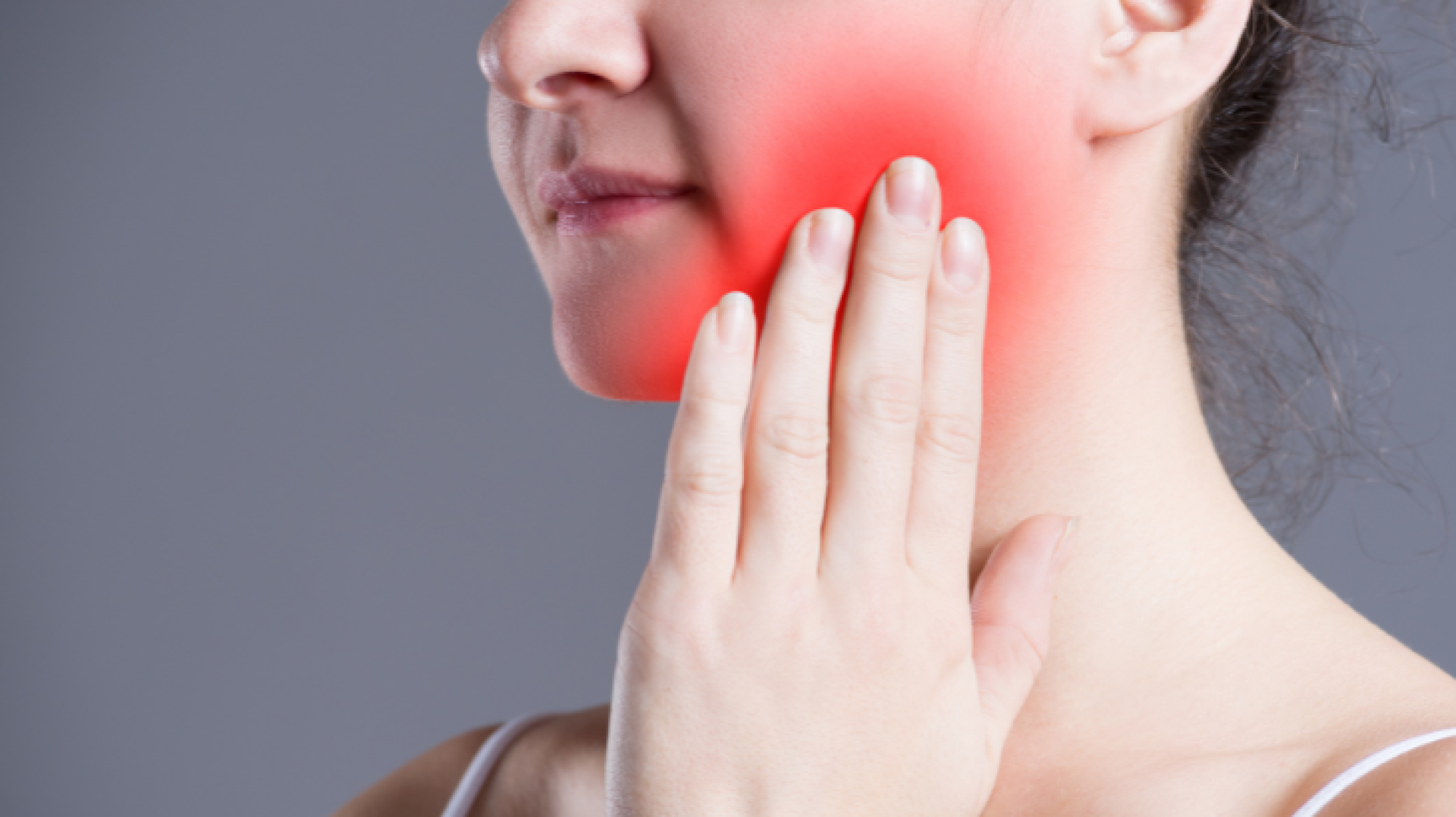
Not everyone develops wisdom teeth. Although most people naturally form four third molars — commonly known as wisdom teeth — some individuals may never develop them due to genetics or evolutionary changes in jaw size. In other cases, wisdom teeth may erupt normally without becoming impacted. Therefore, the answer is no: wisdom teeth do not occur in everyone, and whether they develop depends mainly on each person’s jaw structure and genetic background.
“Do everyone have wisdom teeth?” is one of the most common concerns among teenagers and young adults because wisdom teeth are often associated with pain and complicated dental surgery. Understanding the truth about wisdom teeth can help people prepare for proper oral health care without unnecessary fear.
Wisdom teeth are the last molars to emerge, usually appearing between the ages of 17 and 25. However, because modern human jaws are often too small to accommodate these extra teeth, they may become trapped beneath the gums or grow in abnormal directions. This condition is known as impacted wisdom teeth and can lead to various dental problems if left untreated.
Do Everyone Have Wisdom Teeth? Understanding the Reality Behind Third Molars
From a medical perspective, most people develop at least one to four third molars. However, not everyone experiences impacted wisdom teeth problems.
Some individuals are fortunate enough to have wisdom teeth that erupt normally with enough space to function just like other molars. These teeth may never cause discomfort or require extraction.
Others may not develop wisdom teeth at all. This is believed to be linked to human evolution, as modern diets no longer require the strong chewing power needed by our ancestors. Over time, the human jaw has become smaller, and wisdom teeth have gradually become less necessary.
As a result, some people are born without wisdom tooth buds entirely. If an X-ray shows no wisdom teeth, it is completely normal and often considered lucky since there is no future need for wisdom tooth surgery.
Biological Reasons Why Some People Do Not Have Wisdom Teeth
Whether someone develops wisdom teeth is influenced by several biological and environmental factors rather than simple luck.
1. Evolution and Changes in Human Jaw Structure
Modern humans have significantly smaller jaws compared to ancient humans. While the number of teeth has remained relatively unchanged, reduced jaw space often leaves insufficient room for the final molars to erupt properly.
As wisdom teeth attempt to emerge, they may grow sideways, become trapped under the gums, or press against neighboring teeth. This is one of the main reasons impacted wisdom teeth are so common today.
Some scientists even believe that wisdom teeth may eventually disappear entirely in future generations due to ongoing human evolution.
2. Genetic Factors Passed Through Families
Genetics also play a major role in determining whether a person develops wisdom teeth.
If parents naturally have wide jaws or never developed wisdom teeth themselves, their children are more likely to experience the same pattern. Certain genes can prevent the formation of third molar tooth buds altogether, resulting in people being born with only 28 permanent teeth instead of the usual 32.
This condition has become increasingly common in modern populations.
Types of Impacted Wisdom Teeth You Might Have
Understanding whether wisdom teeth occur in everyone is only part of the story. It is also important to know what type of impacted wisdom tooth you may have, because treatment difficulty varies depending on the position and angle of the tooth.
Vertical Impaction (Straight Impacted Tooth)
The tooth grows upright but is blocked by the gum or adjacent tooth, preventing it from fully erupting. This is usually easier to manage compared to other types.
Angular Impaction (Mesial or Distal Tilt)
The tooth grows at an angle toward the front or back, often pressing against neighboring teeth. This can lead to pain, crowding, or decay in adjacent teeth.
Horizontal Impaction (Lying Down Tooth)
This is one of the most complex cases. The tooth lies completely sideways beneath the gum and jawbone, often requiring surgical sectioning for removal.
Soft Tissue or Bony Impaction
Soft tissue impaction: The tooth is partially covered by gum tissue
Bony impaction: The tooth is fully trapped inside the jawbone
Warning Signs That You Should See a Dentist
Even if you are still wondering “do everyone have wisdom teeth?”, the following symptoms may indicate that your wisdom teeth are already causing problems:
1.Pain and Swelling
A dull ache in the back jaw area that may worsen, sometimes leading to facial swelling in severe infection cases.
2.Bad Breath or Strange Taste
Food debris trapped under partially erupted gums can cause bacterial buildup and unpleasant odor.
3.Limited Mouth Opening
Inflammation may spread to surrounding muscles, making it painful to open your mouth wide or chew normally.
4.Gum Infection (Pericoronitis)
Red, swollen gum tissue over the wisdom tooth area, sometimes with pus discharge.
Wisdom Tooth Removal: Does It Hurt and How Long Does It Take?
Many people worry about pain, but modern dental technology has made wisdom tooth extraction much more comfortable than in the past.
Preparation
The dentist will take X-rays to evaluate the tooth position, root structure, and nerve proximity.
Local Anesthesia
A local anesthetic is used to numb the area completely. You will not feel pain during the procedure, only pressure.
Surgical Removal
For horizontally impacted teeth, the dentist may divide the tooth into smaller pieces for easier removal and minimal trauma.
Stitching the Wound
After extraction, the site is cleaned and sutured. The procedure usually takes 30–60 minutes per tooth.
How to Take Care of Yourself After Wisdom Tooth Surgery
The first 24–48 hours are the most important for proper healing.
1.Control Bleeding
Bite gently on gauze for 1–2 hours. Avoid spitting or rinsing forcefully, as this may restart bleeding.
2.Reduce Swelling
Apply a cold compress on the cheek for the first 24 hours, then switch to warm compress afterward.
3.Eating Guidelines
Start with soft foods such as porridge, yogurt, or pudding. Avoid spicy, hot, or hard foods.
4.Gentle Oral Hygiene
Brush normally but avoid the surgical area. Rinse gently with saltwater after meals.
Risks of Leaving Wisdom Teeth Untreated
Many people ignore wisdom teeth if they are not painful, but this can lead to serious long-term problems.
Damage to Adjacent Teeth
Impacted wisdom teeth can trap food and bacteria, causing decay in nearby teeth — sometimes requiring extraction of both.
Cyst or Tumor Formation
A trapped tooth may develop into a cyst that gradually destroys jawbone structure.
Crowding and Misalignment
Pressure from erupting wisdom teeth may push other teeth out of alignment, affecting bite and aesthetics.
Professional Wisdom Tooth Care at Pasook Dental Clinic
If you are still unsure whether wisdom teeth occur in everyone, or if you want a proper evaluation of your oral health, Pasook Dental Clinic offers advanced dental care with modern technology designed to make wisdom tooth extraction safer, faster, and more comfortable.
The clinic is staffed by experienced dental specialists skilled in all types of wisdom tooth surgery. They provide detailed treatment planning to minimize pain and reduce complications. With multiple convenient branches and high safety standards, patients can expect a smooth and reassuring treatment experience.
FAQ: Common Questions About Wisdom Teeth
1. Do I need to remove wisdom teeth if they are not painful?
Yes, if your dentist predicts future problems such as decay or cyst formation. Early removal often leads to faster healing and fewer complications.
2. Is wisdom tooth surgery more dangerous at an older age?
It is still safe, but risks may slightly increase due to denser bone and closer nerve proximity. Careful evaluation is required for adult patients.
3. Does removing wisdom teeth make your face slimmer?
No, it does not significantly change facial structure. Any perceived slimming is usually due to reduced swelling or temporary dietary changes.
4. Can untreated wisdom teeth cause cancer?
No, wisdom teeth do not directly cause cancer. However, untreated cases may lead to cysts that can damage jawbone over time.
5. Is removing multiple wisdom teeth at once more painful?
Pain levels are similar due to anesthesia. However, swelling may be more noticeable. The advantage is a single recovery period instead of multiple surgeries.
“Do everyone have wisdom teeth?” is one of the most common concerns among teenagers and young adults because wisdom teeth are often associated with pain and complicated dental surgery. Understanding the truth about wisdom teeth can help people prepare for proper oral health care without unnecessary fear.
Wisdom teeth are the last molars to emerge, usually appearing between the ages of 17 and 25. However, because modern human jaws are often too small to accommodate these extra teeth, they may become trapped beneath the gums or grow in abnormal directions. This condition is known as impacted wisdom teeth and can lead to various dental problems if left untreated.
Do Everyone Have Wisdom Teeth? Understanding the Reality Behind Third Molars
From a medical perspective, most people develop at least one to four third molars. However, not everyone experiences impacted wisdom teeth problems.
Some individuals are fortunate enough to have wisdom teeth that erupt normally with enough space to function just like other molars. These teeth may never cause discomfort or require extraction.
Others may not develop wisdom teeth at all. This is believed to be linked to human evolution, as modern diets no longer require the strong chewing power needed by our ancestors. Over time, the human jaw has become smaller, and wisdom teeth have gradually become less necessary.
As a result, some people are born without wisdom tooth buds entirely. If an X-ray shows no wisdom teeth, it is completely normal and often considered lucky since there is no future need for wisdom tooth surgery.
Biological Reasons Why Some People Do Not Have Wisdom Teeth
Whether someone develops wisdom teeth is influenced by several biological and environmental factors rather than simple luck.
1. Evolution and Changes in Human Jaw Structure
Modern humans have significantly smaller jaws compared to ancient humans. While the number of teeth has remained relatively unchanged, reduced jaw space often leaves insufficient room for the final molars to erupt properly.
As wisdom teeth attempt to emerge, they may grow sideways, become trapped under the gums, or press against neighboring teeth. This is one of the main reasons impacted wisdom teeth are so common today.
Some scientists even believe that wisdom teeth may eventually disappear entirely in future generations due to ongoing human evolution.
2. Genetic Factors Passed Through Families
Genetics also play a major role in determining whether a person develops wisdom teeth.
If parents naturally have wide jaws or never developed wisdom teeth themselves, their children are more likely to experience the same pattern. Certain genes can prevent the formation of third molar tooth buds altogether, resulting in people being born with only 28 permanent teeth instead of the usual 32.
This condition has become increasingly common in modern populations.
Types of Impacted Wisdom Teeth You Might Have
Understanding whether wisdom teeth occur in everyone is only part of the story. It is also important to know what type of impacted wisdom tooth you may have, because treatment difficulty varies depending on the position and angle of the tooth.
Vertical Impaction (Straight Impacted Tooth)
The tooth grows upright but is blocked by the gum or adjacent tooth, preventing it from fully erupting. This is usually easier to manage compared to other types.
Angular Impaction (Mesial or Distal Tilt)
The tooth grows at an angle toward the front or back, often pressing against neighboring teeth. This can lead to pain, crowding, or decay in adjacent teeth.
Horizontal Impaction (Lying Down Tooth)
This is one of the most complex cases. The tooth lies completely sideways beneath the gum and jawbone, often requiring surgical sectioning for removal.
Soft Tissue or Bony Impaction
Soft tissue impaction: The tooth is partially covered by gum tissue
Bony impaction: The tooth is fully trapped inside the jawbone
Warning Signs That You Should See a Dentist
Even if you are still wondering “do everyone have wisdom teeth?”, the following symptoms may indicate that your wisdom teeth are already causing problems:
1.Pain and Swelling
A dull ache in the back jaw area that may worsen, sometimes leading to facial swelling in severe infection cases.
2.Bad Breath or Strange Taste
Food debris trapped under partially erupted gums can cause bacterial buildup and unpleasant odor.
3.Limited Mouth Opening
Inflammation may spread to surrounding muscles, making it painful to open your mouth wide or chew normally.
4.Gum Infection (Pericoronitis)
Red, swollen gum tissue over the wisdom tooth area, sometimes with pus discharge.
Wisdom Tooth Removal: Does It Hurt and How Long Does It Take?
Many people worry about pain, but modern dental technology has made wisdom tooth extraction much more comfortable than in the past.
Preparation
The dentist will take X-rays to evaluate the tooth position, root structure, and nerve proximity.
Local Anesthesia
A local anesthetic is used to numb the area completely. You will not feel pain during the procedure, only pressure.
Surgical Removal
For horizontally impacted teeth, the dentist may divide the tooth into smaller pieces for easier removal and minimal trauma.
Stitching the Wound
After extraction, the site is cleaned and sutured. The procedure usually takes 30–60 minutes per tooth.
How to Take Care of Yourself After Wisdom Tooth Surgery
The first 24–48 hours are the most important for proper healing.
1.Control Bleeding
Bite gently on gauze for 1–2 hours. Avoid spitting or rinsing forcefully, as this may restart bleeding.
2.Reduce Swelling
Apply a cold compress on the cheek for the first 24 hours, then switch to warm compress afterward.
3.Eating Guidelines
Start with soft foods such as porridge, yogurt, or pudding. Avoid spicy, hot, or hard foods.
4.Gentle Oral Hygiene
Brush normally but avoid the surgical area. Rinse gently with saltwater after meals.
Risks of Leaving Wisdom Teeth Untreated
Many people ignore wisdom teeth if they are not painful, but this can lead to serious long-term problems.
Damage to Adjacent Teeth
Impacted wisdom teeth can trap food and bacteria, causing decay in nearby teeth — sometimes requiring extraction of both.
Cyst or Tumor Formation
A trapped tooth may develop into a cyst that gradually destroys jawbone structure.
Crowding and Misalignment
Pressure from erupting wisdom teeth may push other teeth out of alignment, affecting bite and aesthetics.
Professional Wisdom Tooth Care at Pasook Dental Clinic
If you are still unsure whether wisdom teeth occur in everyone, or if you want a proper evaluation of your oral health, Pasook Dental Clinic offers advanced dental care with modern technology designed to make wisdom tooth extraction safer, faster, and more comfortable.
The clinic is staffed by experienced dental specialists skilled in all types of wisdom tooth surgery. They provide detailed treatment planning to minimize pain and reduce complications. With multiple convenient branches and high safety standards, patients can expect a smooth and reassuring treatment experience.
FAQ: Common Questions About Wisdom Teeth
1. Do I need to remove wisdom teeth if they are not painful?
Yes, if your dentist predicts future problems such as decay or cyst formation. Early removal often leads to faster healing and fewer complications.
2. Is wisdom tooth surgery more dangerous at an older age?
It is still safe, but risks may slightly increase due to denser bone and closer nerve proximity. Careful evaluation is required for adult patients.
3. Does removing wisdom teeth make your face slimmer?
No, it does not significantly change facial structure. Any perceived slimming is usually due to reduced swelling or temporary dietary changes.
4. Can untreated wisdom teeth cause cancer?
No, wisdom teeth do not directly cause cancer. However, untreated cases may lead to cysts that can damage jawbone over time.
5. Is removing multiple wisdom teeth at once more painful?
Pain levels are similar due to anesthesia. However, swelling may be more noticeable. The advantage is a single recovery period instead of multiple surgeries.




Related Content
Discover the best braces colors that brighten your smile and make your teeth look whiter. Learn how to choose braces rubber band colors based on skin tone, personality, and lifestyle with expert tips.

Find answers to the common question “Do braces change your face?” including real results, reasons why your face may change, what to know after treatment, and expert tips

Wondering if dental fillings hurt? Discover the answer, learn about the dental filling procedure, and find tips on how to prepare before visiting your dentist for a confident smile and better oral health.