Damon Braces: A Faster, Less Painful Orthodontic Innovation for a Better Smile
Last updated: 29 May 2026
1075 Views
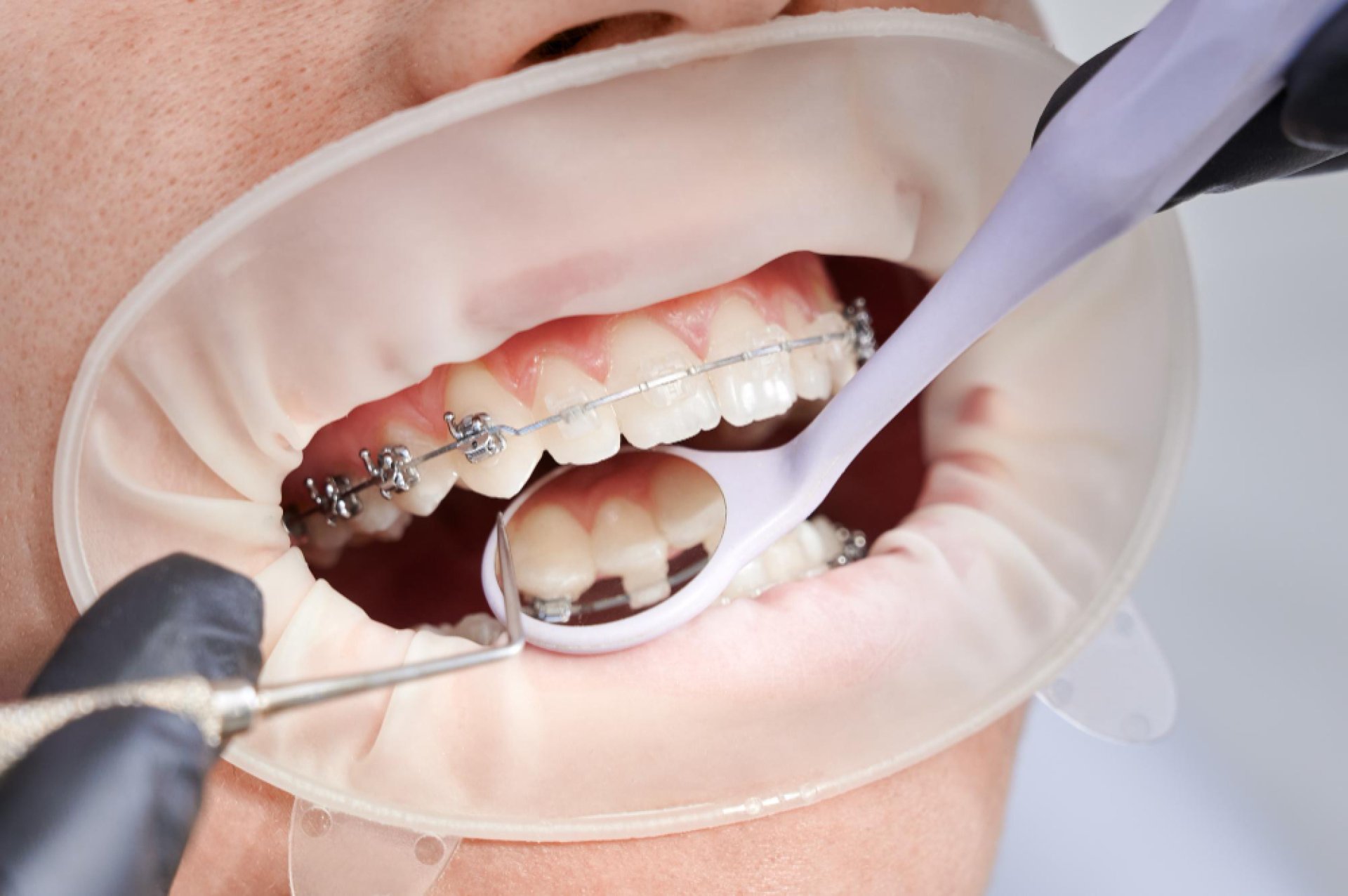
A confident smile is often the first impression of a person’s personality. However, many people hesitate to get traditional braces due to concerns about pain and the long treatment time. This is why Damon braces have become one of the most popular orthodontic choices today.
The Damon System is an advanced orthodontic technology that eliminates the need for elastic bands. By reducing friction between the wire and the brackets, teeth can move more freely and efficiently. For those wondering whether Damon braces are better than traditional braces or whether they fit a modern lifestyle, this guide explores everything you need to know about this innovative treatment.
What Are Damon Braces?
Damon braces are a type of orthodontic treatment known as a self-ligating braces system. Unlike traditional metal braces that require colorful elastic bands (O-rings) to hold the wire in place, Damon braces use a built-in sliding mechanism that automatically secures the archwire.
Because there are no elastic bands creating extra pressure, friction is significantly reduced. This allows teeth to move into their correct positions more smoothly and efficiently.
The Damon System typically comes in two main types:
Damon Q
A small, durable metal bracket system that is strong and easy to maintain.
Damon Clear
A clear ceramic bracket that blends naturally with the color of your teeth, making it ideal for people who prefer a more discreet orthodontic option.
Why Damon Braces Are Considered Less Painful
One of the most frequently asked questions is: Do Damon braces hurt?
The answer is that they generally cause less discomfort than traditional braces. Conventional braces rely on elastic bands to create tension, which can cause strong pressure on the teeth each time the elastics are replaced.
In contrast, Damon braces apply a lighter and more consistent force. The sliding bracket mechanism allows the wire to work gradually and continuously, reducing pressure on the surrounding tissues of the tooth roots. As a result, many patients experience less soreness after orthodontic adjustments.
Advantages of Damon Braces
Damon braces offer several benefits that make them an attractive option for modern orthodontic patients.
1. Faster Treatment Time
Because teeth move more freely without the resistance of elastic bands, Damon braces can shorten treatment time by approximately 4–6 months compared to traditional braces, depending on the complexity of the case. This makes them ideal for individuals who want faster results.
2. Fewer Dental Appointments
With traditional braces, patients typically visit the orthodontist every month to change elastic bands. With Damon braces, the wire can continue working effectively for longer periods.
This means patients usually visit the dentist every 8–12 weeks, reducing the number of appointments and saving time.
3. Easier Oral Hygiene
Elastic bands in traditional braces can trap food particles and bacteria, increasing the risk of plaque buildup, tooth decay, and bad breath.
Since Damon braces do not use elastics, brushing and flossing become significantly easier. This helps maintain better overall oral hygiene during treatment.
4. Natural Smile and Facial Balance
The Damon System often focuses on gentle expansion of the dental arch, which may reduce the need for tooth extraction in many cases.
This approach can create a broader, more natural smile that complements facial structure and improves overall aesthetics.
Considerations and Potential Disadvantages
Despite its many benefits, Damon braces also have a few considerations to keep in mind before deciding.
Higher Cost
Damon braces typically cost more than traditional metal braces. The average price ranges from 60,000 – 80,000 THB, depending on the clinic and the complexity of the treatment.
No Colored Elastic Options
Some patients enjoy customizing their braces with colorful elastic bands each month. Because Damon braces do not use elastics, this option is not available.
Comparison Table: Damon Braces vs Traditional Metal Braces
Comparison
Damon Braces (Damon System)
Traditional Metal Braces
Appliance System
Self-ligating brackets (no elastic bands required)
Uses elastic bands (O-Rings) to hold the wire
Pain Level
Generally less discomfort, gentler force
More tension and soreness when elastics are changed
Treatment Duration
Typically faster (about 4–6 months shorter)
Standard treatment time depending on case complexity
Dental Appointments
Every 2–3 months
Monthly visits to change elastics
Estimated Cost
60,000 – 80,000 THB
35,000 – 50,000 THB
6 Steps of Damon Braces: From Start to a Beautiful Smile
The Damon braces treatment process involves careful planning and the use of advanced digital technology to ensure precise results. Below are the typical steps from the first consultation until your smile transformation is complete.
1. Consultation and Facial Structure Analysis
The first step in Damon braces treatment is meeting with an orthodontist to discuss your dental concerns and expectations. During this visit, the dentist will evaluate your oral health, teeth alignment, bite condition, and facial balance. This assessment helps determine whether Damon Q or Damon Clear is the most suitable option for your case.
2. Digital Data Collection
Once you decide to proceed with Damon braces, the dentist will collect detailed diagnostic data, including:
Dental X-rays: To examine tooth roots, jawbone structure, and impacted wisdom teeth
Dental impressions or 3D scans: To create a digital model of your teeth for precise bracket placement
Photographs: Images of your face and smile from multiple angles to track treatment progress
These records allow the orthodontist to develop an accurate and personalized treatment plan.
3. Oral Preparation
Before installing Damon braces, your teeth and gums must be healthy. The dentist may perform necessary treatments such as scaling, cavity fillings, or tooth extractions if severe crowding is present.
One advantage of Damon braces is that in many cases, they can help expand the dental arch, which may reduce the need for tooth extraction compared to traditional braces.
4. Damon Braces Installation
This is the key stage of the treatment. The orthodontist will carefully attach Damon brackets to each tooth using special dental adhesive. Then the archwire is placed into the bracket slots and secured with the self-ligating sliding mechanism.
Unlike traditional braces, Damon braces do not use elastic bands, which makes the installation process faster and more comfortable for patients.
5. Periodic Adjustments
After the braces are installed, the dentist will schedule follow-up appointments every 8–12 weeks to monitor progress and adjust the wires according to the treatment plan.
Compared with traditional braces that require monthly visits, Damon braces require fewer appointments while still providing continuous and gentle tooth movement.
6. Wearing Retainers After Treatment
Once your teeth have moved into the desired position, the braces will be removed and you will begin wearing retainers. Retainers are essential to maintain your new smile and prevent teeth from shifting back to their original position.
Following your dentist’s instructions on retainer use is crucial to ensuring that the results of your Damon braces treatment last long-term.
Summary of Damon Braces Treatment
Choosing Damon braces is not only about selecting advanced orthodontic technology. It also requires the expertise of a skilled orthodontist to design the most suitable treatment plan for your smile.
If you are looking for a trusted dental clinic for Damon braces treatment, Pasook Dental Clinic is an excellent option. The clinic provides consultations with experienced dentists who carefully assess each patient’s dental condition and create personalized treatment plans. With modern equipment, international hygiene standards, and multiple convenient locations, Pasook Dental Clinic offers reliable orthodontic care to help you achieve a beautiful, natural-looking smile.
The Damon System is an advanced orthodontic technology that eliminates the need for elastic bands. By reducing friction between the wire and the brackets, teeth can move more freely and efficiently. For those wondering whether Damon braces are better than traditional braces or whether they fit a modern lifestyle, this guide explores everything you need to know about this innovative treatment.
What Are Damon Braces?
Damon braces are a type of orthodontic treatment known as a self-ligating braces system. Unlike traditional metal braces that require colorful elastic bands (O-rings) to hold the wire in place, Damon braces use a built-in sliding mechanism that automatically secures the archwire.
Because there are no elastic bands creating extra pressure, friction is significantly reduced. This allows teeth to move into their correct positions more smoothly and efficiently.
The Damon System typically comes in two main types:
Damon Q
A small, durable metal bracket system that is strong and easy to maintain.
Damon Clear
A clear ceramic bracket that blends naturally with the color of your teeth, making it ideal for people who prefer a more discreet orthodontic option.
Why Damon Braces Are Considered Less Painful
One of the most frequently asked questions is: Do Damon braces hurt?
The answer is that they generally cause less discomfort than traditional braces. Conventional braces rely on elastic bands to create tension, which can cause strong pressure on the teeth each time the elastics are replaced.
In contrast, Damon braces apply a lighter and more consistent force. The sliding bracket mechanism allows the wire to work gradually and continuously, reducing pressure on the surrounding tissues of the tooth roots. As a result, many patients experience less soreness after orthodontic adjustments.
Advantages of Damon Braces
Damon braces offer several benefits that make them an attractive option for modern orthodontic patients.
1. Faster Treatment Time
Because teeth move more freely without the resistance of elastic bands, Damon braces can shorten treatment time by approximately 4–6 months compared to traditional braces, depending on the complexity of the case. This makes them ideal for individuals who want faster results.
2. Fewer Dental Appointments
With traditional braces, patients typically visit the orthodontist every month to change elastic bands. With Damon braces, the wire can continue working effectively for longer periods.
This means patients usually visit the dentist every 8–12 weeks, reducing the number of appointments and saving time.
3. Easier Oral Hygiene
Elastic bands in traditional braces can trap food particles and bacteria, increasing the risk of plaque buildup, tooth decay, and bad breath.
Since Damon braces do not use elastics, brushing and flossing become significantly easier. This helps maintain better overall oral hygiene during treatment.
4. Natural Smile and Facial Balance
The Damon System often focuses on gentle expansion of the dental arch, which may reduce the need for tooth extraction in many cases.
This approach can create a broader, more natural smile that complements facial structure and improves overall aesthetics.
Considerations and Potential Disadvantages
Despite its many benefits, Damon braces also have a few considerations to keep in mind before deciding.
Higher Cost
Damon braces typically cost more than traditional metal braces. The average price ranges from 60,000 – 80,000 THB, depending on the clinic and the complexity of the treatment.
No Colored Elastic Options
Some patients enjoy customizing their braces with colorful elastic bands each month. Because Damon braces do not use elastics, this option is not available.
Comparison Table: Damon Braces vs Traditional Metal Braces
Comparison
Damon Braces (Damon System)
Traditional Metal Braces
Appliance System
Self-ligating brackets (no elastic bands required)
Uses elastic bands (O-Rings) to hold the wire
Pain Level
Generally less discomfort, gentler force
More tension and soreness when elastics are changed
Treatment Duration
Typically faster (about 4–6 months shorter)
Standard treatment time depending on case complexity
Dental Appointments
Every 2–3 months
Monthly visits to change elastics
Estimated Cost
60,000 – 80,000 THB
35,000 – 50,000 THB
6 Steps of Damon Braces: From Start to a Beautiful Smile
The Damon braces treatment process involves careful planning and the use of advanced digital technology to ensure precise results. Below are the typical steps from the first consultation until your smile transformation is complete.
1. Consultation and Facial Structure Analysis
The first step in Damon braces treatment is meeting with an orthodontist to discuss your dental concerns and expectations. During this visit, the dentist will evaluate your oral health, teeth alignment, bite condition, and facial balance. This assessment helps determine whether Damon Q or Damon Clear is the most suitable option for your case.
2. Digital Data Collection
Once you decide to proceed with Damon braces, the dentist will collect detailed diagnostic data, including:
Dental X-rays: To examine tooth roots, jawbone structure, and impacted wisdom teeth
Dental impressions or 3D scans: To create a digital model of your teeth for precise bracket placement
Photographs: Images of your face and smile from multiple angles to track treatment progress
These records allow the orthodontist to develop an accurate and personalized treatment plan.
3. Oral Preparation
Before installing Damon braces, your teeth and gums must be healthy. The dentist may perform necessary treatments such as scaling, cavity fillings, or tooth extractions if severe crowding is present.
One advantage of Damon braces is that in many cases, they can help expand the dental arch, which may reduce the need for tooth extraction compared to traditional braces.
4. Damon Braces Installation
This is the key stage of the treatment. The orthodontist will carefully attach Damon brackets to each tooth using special dental adhesive. Then the archwire is placed into the bracket slots and secured with the self-ligating sliding mechanism.
Unlike traditional braces, Damon braces do not use elastic bands, which makes the installation process faster and more comfortable for patients.
5. Periodic Adjustments
After the braces are installed, the dentist will schedule follow-up appointments every 8–12 weeks to monitor progress and adjust the wires according to the treatment plan.
Compared with traditional braces that require monthly visits, Damon braces require fewer appointments while still providing continuous and gentle tooth movement.
6. Wearing Retainers After Treatment
Once your teeth have moved into the desired position, the braces will be removed and you will begin wearing retainers. Retainers are essential to maintain your new smile and prevent teeth from shifting back to their original position.
Following your dentist’s instructions on retainer use is crucial to ensuring that the results of your Damon braces treatment last long-term.
Summary of Damon Braces Treatment
Choosing Damon braces is not only about selecting advanced orthodontic technology. It also requires the expertise of a skilled orthodontist to design the most suitable treatment plan for your smile.
If you are looking for a trusted dental clinic for Damon braces treatment, Pasook Dental Clinic is an excellent option. The clinic provides consultations with experienced dentists who carefully assess each patient’s dental condition and create personalized treatment plans. With modern equipment, international hygiene standards, and multiple convenient locations, Pasook Dental Clinic offers reliable orthodontic care to help you achieve a beautiful, natural-looking smile.
Related Content

Wondering what causes impacted wisdom teeth? Learn the real reasons, warning symptoms, treatment steps, and whether wisdom tooth extraction is painful, including recovery tips.

Protruding teeth—can braces fix them? Learn the causes, treatment options, and the most effective methods to correct buck teeth. Complete guide to solutions and visible results.

Learn about power chains for braces, how many types there are, what they do, and how they help close gaps between teeth. Plus tips for caring for your braces when wearing power chains.