What Causes Impacted Wisdom Teeth? The Main Reasons You May Not Know
Last updated: 29 May 2026
760 Views
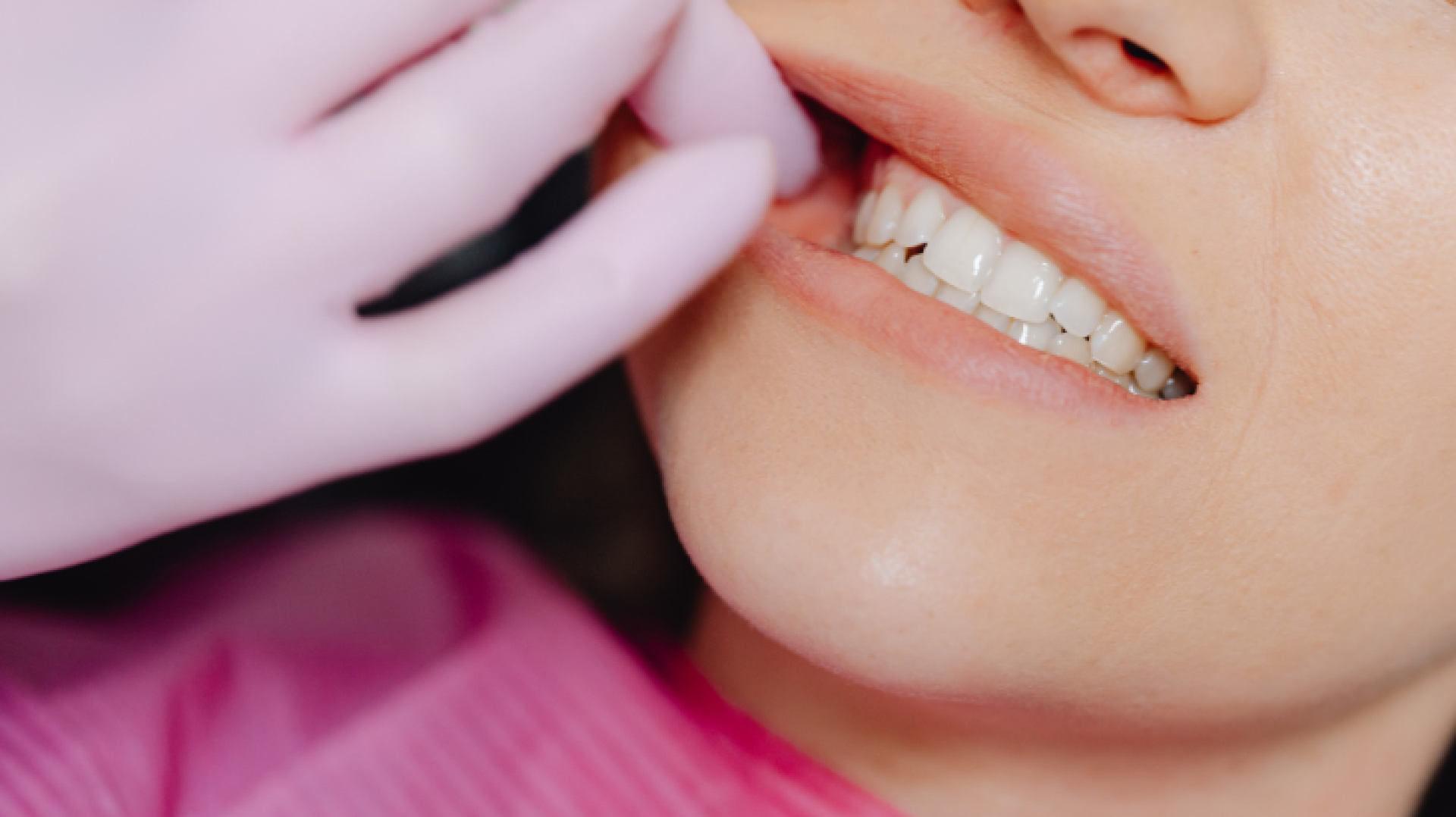
Impacted wisdom teeth occur due to a mismatch between the size of the third molar and the available space in the jaw. Normally, wisdom teeth erupt between the ages of 17–25. However, due to evolutionary changes that have made the human jaw smaller, or due to abnormal tooth eruption angles such as horizontal or tilted positioning, these teeth may fail to fully emerge through the gums. As a result, they become trapped under the gum or within the jawbone.
Understanding what causes impacted wisdom teeth is an important first step in reducing anxiety about oral health. Wisdom tooth problems are not random; they have clear biological and evolutionary explanations. In most cases, the main cause is simply insufficient space in the jaw for the last molar to erupt properly. If these trapped teeth are left untreated, they can lead to pain, inflammation, and complications that affect daily life. Learning about this condition helps patients make more confident treatment decisions.
What Causes Impacted Wisdom Teeth? Evolutionary Insights
To understand what causes impacted wisdom teeth more deeply, we need to look back at human evolution. Early humans had much larger and stronger jaws because they needed to chew tough and raw foods such as uncooked meat and fibrous plants. This provided enough space for all third molars to erupt normally.
However, as humans began cooking food, making it softer and easier to chew, the jaw gradually became smaller over time. Despite this, humans still typically develop 32 teeth. The reduced jaw size means there is often no longer enough space for wisdom teeth, making impaction a common modern dental issue.
In addition, genetics also plays a major role. If a person inherits a smaller jaw from one parent and larger teeth from the other, this imbalance can lead to insufficient space for the third molars to erupt properly, resulting in impaction.
Tooth Eruption Direction: Another Key Factor
Beyond lack of space, the direction of tooth development is another important cause of impacted wisdom teeth. In some cases, the third molar does not develop in a straight vertical position from the beginning. Instead, it may grow at an angle or lie horizontally within the jaw.
When the tooth tries to erupt naturally, it may press against the adjacent molar instead of moving upward. This abnormal growth direction is usually natural and cannot be prevented through brushing or oral care alone.
Types of Impacted Wisdom Teeth You Should Know Before Treatment
After understanding what causes impacted wisdom teeth, it is important to look at the different types of impaction. The direction and position of a wisdom tooth directly affect how complex the treatment will be.
Horizontal impaction:
This type occurs when the tooth lies completely sideways at a 90-degree angle against the normal teeth. It often presses directly against the second molar, causing significant pain and making cleaning extremely difficult. This is usually one of the most complex cases.
Angular impaction (mesial or distal):
In this case, the wisdom tooth is tilted either toward the front tooth (mesial) or toward the back of the mouth (distal). This positioning creates tight spaces where food can easily become trapped, leading to gum inflammation and decay.
Vertical impaction (partially erupted or unerupted):
The tooth is positioned correctly in a vertical direction, but it fails to fully erupt due to lack of space, thick gum tissue, or a small jaw. As a result, the tooth may only partially emerge or remain fully trapped beneath the gum.
Warning Signs That a Wisdom Tooth May Be Causing Problems
For those who have not had an X-ray yet, the following symptoms may indicate an impacted wisdom tooth:
1.Jaw pain or dull pressure:
A deep, aching pain at the back of the mouth that may radiate to the ear or temple.
2.Swollen and red gums:
Inflamed tissue around the back molar area that becomes visibly swollen.
3.Difficulty opening the mouth:
Severe inflammation can spread to the jaw muscles, making it painful or difficult to open the mouth fully.
4.Unpleasant taste or bad breath:
Food debris trapped around a partially erupted wisdom tooth can decay, leading to bad taste and odor.
Common Misconceptions About Wisdom Teeth
Many people believe that wisdom teeth only need to be removed when they cause pain. In reality, waiting for symptoms may be too late, as pressure from an impacted tooth can already damage the neighboring teeth.
Getting an early dental examination, including an X-ray, is the best way to understand what causes impacted wisdom teeth in your specific case and how they are positioned. Early diagnosis allows for easier and safer treatment before complications develop.
Does Wisdom Tooth Removal Hurt? Clearing Common Concerns
Fear of pain is the main reason many people delay treatment. However, modern wisdom tooth extraction is usually not painful during the procedure.
Dentists use highly effective local anesthesia to completely numb the area. Once the anesthesia takes effect, the patient does not feel pain during the procedure. Instead, they may only feel pressure, pushing, or minor vibration from dental instruments.
Pain typically begins after the anesthesia wears off, around 4–6 hours later, which is normal for most surgical procedures. This discomfort can be effectively managed with prescribed pain medication and proper aftercare instructions.
Procedure for Wisdom Tooth Extraction and Time Required
Many people wonder how to prepare for wisdom tooth removal and how long the process takes. The main steps are as follows:
1.Examination and X-ray (10–15 minutes):
The dentist evaluates the tooth position, root direction, and proximity to nerves using X-rays to plan the procedure safely.
2.Surgical procedure (30–60 minutes per tooth):
Once local anesthesia takes effect, the dentist opens the gum to remove the tooth. If the tooth is impacted in bone, it may need to be sectioned into smaller pieces or the surrounding bone may be slightly removed.
3.Stitching the wound:
After removal, the dentist cleans the area and stitches the gum to help control bleeding and promote proper healing.
Post-Surgery Care for Faster Healing
Proper aftercare is just as important as the surgery itself, as it helps prevent complications such as dry socket, which can cause severe pain.
First 24 hours:
Avoid rinsing, spitting forcefully, or disturbing the wound. Swallow saliva normally to help the blood clot stabilize and protect the extraction site.
Eating guidelines:
Consume soft, cool, or room-temperature foods such as porridge, yogurt, or ice cream. Avoid using straws during the early recovery period.
Swelling control:
Apply cold compresses to the cheek during the first 48 hours to reduce swelling. After that, switch to warm compresses to improve blood circulation.
Oral hygiene:
You can brush other teeth normally, but gently rinse the surgical area with saltwater after meals to remove food debris.
What Happens If You Don’t Remove Impacted Wisdom Teeth?
If you understand what causes impacted wisdom teeth but choose to leave them untreated, several risks may occur:
Decay of adjacent teeth:
Pressure from the impacted tooth can cause decay in the second molar, sometimes requiring extraction of both teeth.
Cyst formation:
A fluid-filled sac (cyst) may develop around the impacted tooth, potentially damaging and weakening the jawbone.
Teeth shifting and misalignment:
Continuous pressure may push surrounding teeth out of position, leading to crowding or crooked teeth.
Severe infection:
Inflammation can spread to nearby tissues, causing facial swelling, fever, and more serious complications.
Why Do Some People Not Have Wisdom Teeth?
Beyond understanding what causes impacted wisdom teeth, many people wonder why some individuals never develop them.
This is often due to genetics or evolutionary changes. Some people are born without third molar tooth buds (agenesis), meaning they never develop wisdom teeth at all. This is considered a modern evolutionary adaptation, where the jaw no longer requires an extra set of molars.
As a result, these individuals avoid complications such as impaction, infection, and surgical removal.
Psychological Preparation: Wisdom Tooth Removal Is Not as Scary as You Think
Much of the fear surrounding wisdom tooth surgery comes from imagination rather than reality. Understanding what causes impacted wisdom teeth and learning about the procedure helps reduce anxiety.
Wisdom tooth extraction is a routine dental procedure performed frequently by dentists. With modern techniques and local anesthesia, the success rate is very high and complications are minimal when performed by experienced professionals.
Comfortable Wisdom Tooth Care at Pasook Dental Clinic
For those who are still concerned and looking for trusted care, Pasook Dental Clinic provides high-standard dental services with advanced technology and strict safety protocols. This allows wisdom tooth removal to be faster, easier, and less stressful for patients.
The clinic’s experienced dental team specializes in wisdom tooth extraction and provides detailed treatment planning to minimize pain and reduce complications. With multiple branches and convenient access, patients can receive professional care in a comfortable environment and leave with confidence and a healthier smile.
FAQ: Common Questions About Wisdom Tooth Causes and Treatment
1. What causes impacted wisdom teeth besides a small jaw?
Other causes include abnormal tooth eruption angles or extra teeth (supernumerary teeth) that block proper eruption.
2. Should I remove wisdom teeth at age 30 if there is no pain?
Yes, an X-ray evaluation is recommended. Silent impacted teeth may still damage nearby roots or form cysts without symptoms.
3. Does wisdom tooth removal change facial shape?
No, it does not change bone structure. Any temporary slimming effect is usually due to reduced swelling or eating less during recovery.
4. Can people with chronic conditions like diabetes or hypertension have surgery?
Yes, but the dentist must be informed in advance to manage the condition and reduce infection risk.
5. Is a partially erupted wisdom tooth still considered impacted?
Yes. Even if partially visible, if it cannot fully erupt and is hard to clean, it is still considered an impacted tooth.
Understanding what causes impacted wisdom teeth is an important first step in reducing anxiety about oral health. Wisdom tooth problems are not random; they have clear biological and evolutionary explanations. In most cases, the main cause is simply insufficient space in the jaw for the last molar to erupt properly. If these trapped teeth are left untreated, they can lead to pain, inflammation, and complications that affect daily life. Learning about this condition helps patients make more confident treatment decisions.
What Causes Impacted Wisdom Teeth? Evolutionary Insights
To understand what causes impacted wisdom teeth more deeply, we need to look back at human evolution. Early humans had much larger and stronger jaws because they needed to chew tough and raw foods such as uncooked meat and fibrous plants. This provided enough space for all third molars to erupt normally.
However, as humans began cooking food, making it softer and easier to chew, the jaw gradually became smaller over time. Despite this, humans still typically develop 32 teeth. The reduced jaw size means there is often no longer enough space for wisdom teeth, making impaction a common modern dental issue.
In addition, genetics also plays a major role. If a person inherits a smaller jaw from one parent and larger teeth from the other, this imbalance can lead to insufficient space for the third molars to erupt properly, resulting in impaction.
Tooth Eruption Direction: Another Key Factor
Beyond lack of space, the direction of tooth development is another important cause of impacted wisdom teeth. In some cases, the third molar does not develop in a straight vertical position from the beginning. Instead, it may grow at an angle or lie horizontally within the jaw.
When the tooth tries to erupt naturally, it may press against the adjacent molar instead of moving upward. This abnormal growth direction is usually natural and cannot be prevented through brushing or oral care alone.
Types of Impacted Wisdom Teeth You Should Know Before Treatment
After understanding what causes impacted wisdom teeth, it is important to look at the different types of impaction. The direction and position of a wisdom tooth directly affect how complex the treatment will be.
Horizontal impaction:
This type occurs when the tooth lies completely sideways at a 90-degree angle against the normal teeth. It often presses directly against the second molar, causing significant pain and making cleaning extremely difficult. This is usually one of the most complex cases.
Angular impaction (mesial or distal):
In this case, the wisdom tooth is tilted either toward the front tooth (mesial) or toward the back of the mouth (distal). This positioning creates tight spaces where food can easily become trapped, leading to gum inflammation and decay.
Vertical impaction (partially erupted or unerupted):
The tooth is positioned correctly in a vertical direction, but it fails to fully erupt due to lack of space, thick gum tissue, or a small jaw. As a result, the tooth may only partially emerge or remain fully trapped beneath the gum.
Warning Signs That a Wisdom Tooth May Be Causing Problems
For those who have not had an X-ray yet, the following symptoms may indicate an impacted wisdom tooth:
1.Jaw pain or dull pressure:
A deep, aching pain at the back of the mouth that may radiate to the ear or temple.
2.Swollen and red gums:
Inflamed tissue around the back molar area that becomes visibly swollen.
3.Difficulty opening the mouth:
Severe inflammation can spread to the jaw muscles, making it painful or difficult to open the mouth fully.
4.Unpleasant taste or bad breath:
Food debris trapped around a partially erupted wisdom tooth can decay, leading to bad taste and odor.
Common Misconceptions About Wisdom Teeth
Many people believe that wisdom teeth only need to be removed when they cause pain. In reality, waiting for symptoms may be too late, as pressure from an impacted tooth can already damage the neighboring teeth.
Getting an early dental examination, including an X-ray, is the best way to understand what causes impacted wisdom teeth in your specific case and how they are positioned. Early diagnosis allows for easier and safer treatment before complications develop.
Does Wisdom Tooth Removal Hurt? Clearing Common Concerns
Fear of pain is the main reason many people delay treatment. However, modern wisdom tooth extraction is usually not painful during the procedure.
Dentists use highly effective local anesthesia to completely numb the area. Once the anesthesia takes effect, the patient does not feel pain during the procedure. Instead, they may only feel pressure, pushing, or minor vibration from dental instruments.
Pain typically begins after the anesthesia wears off, around 4–6 hours later, which is normal for most surgical procedures. This discomfort can be effectively managed with prescribed pain medication and proper aftercare instructions.
Procedure for Wisdom Tooth Extraction and Time Required
Many people wonder how to prepare for wisdom tooth removal and how long the process takes. The main steps are as follows:
1.Examination and X-ray (10–15 minutes):
The dentist evaluates the tooth position, root direction, and proximity to nerves using X-rays to plan the procedure safely.
2.Surgical procedure (30–60 minutes per tooth):
Once local anesthesia takes effect, the dentist opens the gum to remove the tooth. If the tooth is impacted in bone, it may need to be sectioned into smaller pieces or the surrounding bone may be slightly removed.
3.Stitching the wound:
After removal, the dentist cleans the area and stitches the gum to help control bleeding and promote proper healing.
Post-Surgery Care for Faster Healing
Proper aftercare is just as important as the surgery itself, as it helps prevent complications such as dry socket, which can cause severe pain.
First 24 hours:
Avoid rinsing, spitting forcefully, or disturbing the wound. Swallow saliva normally to help the blood clot stabilize and protect the extraction site.
Eating guidelines:
Consume soft, cool, or room-temperature foods such as porridge, yogurt, or ice cream. Avoid using straws during the early recovery period.
Swelling control:
Apply cold compresses to the cheek during the first 48 hours to reduce swelling. After that, switch to warm compresses to improve blood circulation.
Oral hygiene:
You can brush other teeth normally, but gently rinse the surgical area with saltwater after meals to remove food debris.
What Happens If You Don’t Remove Impacted Wisdom Teeth?
If you understand what causes impacted wisdom teeth but choose to leave them untreated, several risks may occur:
Decay of adjacent teeth:
Pressure from the impacted tooth can cause decay in the second molar, sometimes requiring extraction of both teeth.
Cyst formation:
A fluid-filled sac (cyst) may develop around the impacted tooth, potentially damaging and weakening the jawbone.
Teeth shifting and misalignment:
Continuous pressure may push surrounding teeth out of position, leading to crowding or crooked teeth.
Severe infection:
Inflammation can spread to nearby tissues, causing facial swelling, fever, and more serious complications.
Why Do Some People Not Have Wisdom Teeth?
Beyond understanding what causes impacted wisdom teeth, many people wonder why some individuals never develop them.
This is often due to genetics or evolutionary changes. Some people are born without third molar tooth buds (agenesis), meaning they never develop wisdom teeth at all. This is considered a modern evolutionary adaptation, where the jaw no longer requires an extra set of molars.
As a result, these individuals avoid complications such as impaction, infection, and surgical removal.
Psychological Preparation: Wisdom Tooth Removal Is Not as Scary as You Think
Much of the fear surrounding wisdom tooth surgery comes from imagination rather than reality. Understanding what causes impacted wisdom teeth and learning about the procedure helps reduce anxiety.
Wisdom tooth extraction is a routine dental procedure performed frequently by dentists. With modern techniques and local anesthesia, the success rate is very high and complications are minimal when performed by experienced professionals.
Comfortable Wisdom Tooth Care at Pasook Dental Clinic
For those who are still concerned and looking for trusted care, Pasook Dental Clinic provides high-standard dental services with advanced technology and strict safety protocols. This allows wisdom tooth removal to be faster, easier, and less stressful for patients.
The clinic’s experienced dental team specializes in wisdom tooth extraction and provides detailed treatment planning to minimize pain and reduce complications. With multiple branches and convenient access, patients can receive professional care in a comfortable environment and leave with confidence and a healthier smile.
FAQ: Common Questions About Wisdom Tooth Causes and Treatment
1. What causes impacted wisdom teeth besides a small jaw?
Other causes include abnormal tooth eruption angles or extra teeth (supernumerary teeth) that block proper eruption.
2. Should I remove wisdom teeth at age 30 if there is no pain?
Yes, an X-ray evaluation is recommended. Silent impacted teeth may still damage nearby roots or form cysts without symptoms.
3. Does wisdom tooth removal change facial shape?
No, it does not change bone structure. Any temporary slimming effect is usually due to reduced swelling or eating less during recovery.
4. Can people with chronic conditions like diabetes or hypertension have surgery?
Yes, but the dentist must be informed in advance to manage the condition and reduce infection risk.
5. Is a partially erupted wisdom tooth still considered impacted?
Yes. Even if partially visible, if it cannot fully erupt and is hard to clean, it is still considered an impacted tooth.




Related Content

Wondering whether an erupted wisdom tooth should be extracted or surgically removed? Learn the key differences, how dentists decide the best treatment, the procedure, recovery, and cost to help you make an informed decision.
Discover the best braces colors that brighten your smile and make your teeth look whiter. Learn how to choose braces rubber band colors based on skin tone, personality, and lifestyle with expert tips.

How long does wisdom tooth pain last? Learn about pain while wisdom teeth are erupting and after wisdom tooth surgery, including a day-by-day recovery timeline, pain relief methods, and warning signs that require immediate dental attention.