What to Eat After Wisdom Tooth Removal? 10 Soft Foods That Are Easy to Eat, Keep You Full, and Help You Heal Faster!
Last updated: 15 Jun 2026
6523 Views
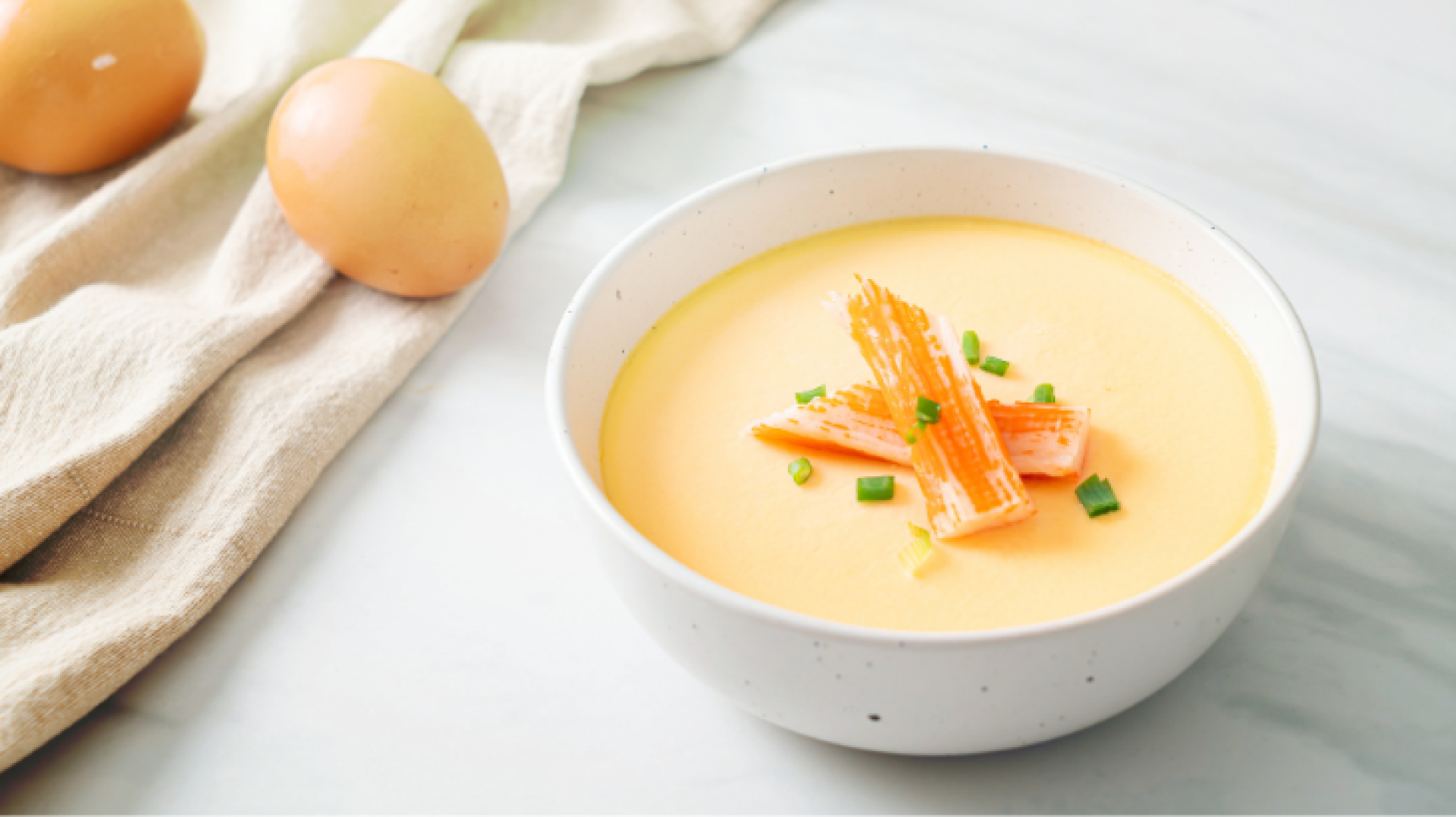
After wisdom tooth removal, it is recommended to choose soft foods that are smooth, easy to swallow, and require minimal chewing. Foods should ideally be served cold or at room temperature, such as porridge, soft rice soup, creamy soups, milk, steamed eggs, yogurt, and ice cream. Hot, spicy, crunchy foods, or foods containing small seeds should be avoided, as they may irritate the surgical site, dislodge the protective blood clot, or become trapped in the extraction socket.
Feeling hungry while worrying about your healing wound is a common experience after wisdom tooth surgery. Many people ask, “What can I eat after wisdom tooth removal?” because they want to avoid causing bleeding, pain, or infection while still getting enough nutrition. The truth is that your food choices during the first 1–7 days after surgery play a significant role in how quickly your gums and jawbone heal. Choosing nutritious, easy-to-eat foods can help support recovery, reduce discomfort, and provide the energy your body needs to repair itself.
Why Nutrition Matters After Wisdom Tooth Extraction
Your body requires energy and essential nutrients to repair damaged tissues after surgery. Wisdom tooth extraction, particularly surgical removal, affects not only the gums but also the surrounding bone and soft tissues. Skipping meals or surviving on water alone because of fear of pain can weaken the immune system and slow down the healing process.
Protein, vitamin C, and zinc are especially important for wound healing. These nutrients support collagen production and tissue regeneration, helping the extraction site close and recover more efficiently. Therefore, the best foods after wisdom tooth removal should not only be soft but also rich in healing nutrients.
Food temperature also plays a key role. During the first 48 hours, cold foods help constrict blood vessels, reduce swelling, and minimize bleeding. In contrast, very hot foods may increase blood flow and potentially trigger renewed bleeding from the surgical site.
10 Best Soft Foods to Eat After Wisdom Tooth Removal
1. Soft Pork Congee at Room Temperature
Congee is a classic recovery food. Choose a smooth, well-cooked porridge with finely minced pork or a soft-boiled egg for additional protein. Allow it to cool before eating to avoid irritating the extraction site.
2. Silky Steamed Egg Custard
Eggs are an excellent source of protein and are easy to digest. A smooth steamed egg custard requires almost no chewing and provides essential nutrients for tissue repair.
3. Creamy Mushroom or Pumpkin Soup
Thick blended soups are filling, nutritious, and easy to swallow. Pumpkin provides vitamins and antioxidants, while cream-based soups offer additional calories for recovery.
4. Smooth Mashed Potatoes
Mashed potatoes provide carbohydrates that help maintain energy levels. Blend them with milk and a small amount of butter for a creamy texture that is easy to eat without chewing.
5. Plain Yogurt or Greek Yogurt
Cold yogurt can soothe the mouth while providing protein, calcium, and probiotics that support digestive health. Choose varieties without fruit chunks, seeds, or granola.
6. Fruit Smoothies with Protein Powder
Blending bananas, avocados, or strawberries with milk or yogurt creates a nutritious drink rich in vitamins and minerals. Adding protein powder can further support healing. Always consume smoothies with a spoon rather than a straw to prevent dry socket.
7. Soft Braised Tofu
Silken tofu is gentle on the gums and rich in plant-based protein. Braising it in a mild broth creates a flavorful and satisfying meal without irritating the surgical area.
8. Vanilla or Chocolate Ice Cream
Ice cream is a favorite recovery food during the first 24–48 hours after surgery. The cold temperature helps reduce swelling and discomfort while providing calories when chewing is difficult. Choose smooth varieties without nuts or crunchy toppings.
9. Mashed Avocado with Honey
Avocados contain healthy fats, vitamins, and minerals that support healing. When mashed until smooth and lightly sweetened with honey, they become a nutritious and filling snack.
10. Soft Fish Rice Soup
By days 3–4, many patients can begin eating slightly more substantial foods. Well-cooked rice soup with finely flaked white fish provides protein and energy while remaining gentle on the healing tissues.
Oral and Facial Structure Factors That Affect Eating After Wisdom Tooth Removal
Each person has a unique oral structure and jaw anatomy, which can directly influence both the level of discomfort and the ability to eat after wisdom tooth surgery.
Jaw Width
People with a smaller jaw or a narrower oral cavity often require greater cheek and mouth retraction during the procedure. This can lead to significant jaw muscle tightness and soreness once the anesthesia wears off. As a result, many patients can only open their mouths slightly during the first 2–3 days after surgery and may need to rely on soft, liquid-based foods that can be eaten with a small spoon.
Depth of the Extraction Socket
In cases where the wisdom tooth is deeply impacted beneath the lower jawbone, the extraction site tends to be deeper and forms a larger socket. This increases the likelihood of food particles becoming trapped inside the wound compared to upper wisdom tooth extractions. Therefore, patients with deeper extraction sockets should be especially careful to avoid foods containing long fibers, seeds, or small particles that may become lodged in the healing area.
Foods and Drinks to Strictly Avoid After Wisdom Tooth Removal
Now that you know what you can eat after wisdom tooth removal, it is equally important to understand which foods and beverages should be avoided while the surgical site is still healing. Consuming the wrong foods may increase the risk of infection, bleeding, delayed healing, or complications such as dry socket.
Spicy, Sour, and Strongly Seasoned Foods
Spicy foods containing chili peppers and highly acidic foods such as those with lemon or vinegar can irritate the delicate gum tissue around the extraction site. These foods may cause a burning sensation, increase inflammation, and trigger blood vessel dilation, which can lead to renewed bleeding or prolonged discomfort.
Crunchy, Hard, and Chewy Foods
Foods such as chips, crackers, roasted nuts, pork rinds, and tough cuts of meat should be avoided during the recovery period. Hard or sharp food particles can directly traumatize the surgical site, potentially disrupting stitches or reopening the wound. Excessive chewing may also place additional strain on the jaw muscles, increasing soreness and inflammation.
Foods with Small Seeds or Fibrous Texture
Fruits containing tiny seeds, such as dragon fruit, strawberries, and tomatoes, as well as fibrous vegetables like morning glory or acacia leaves, can easily become trapped inside the extraction socket. These particles are often difficult to remove through rinsing alone and may eventually promote bacterial growth, increasing the risk of infection and delayed healing.
Alcoholic Beverages and Fermented Foods
Alcohol can interfere with blood clot formation and significantly slow down the healing process. Fermented foods, including certain pickled products, may contain bacteria or contaminants that could introduce infection into the open wound. For this reason, both alcohol and fermented foods should be avoided until the extraction site has healed properly.
Essential Eating Habits and the No-Straw Rule
The way you eat and drink is just as important as the food itself. One of the most important instructions dentists give after wisdom tooth surgery is to avoid using drinking straws for at least one week.
Suction created while drinking through a straw generates negative pressure inside the mouth. This force can dislodge the blood clot that naturally forms over the extraction socket. Once the clot is removed, the underlying bone and nerves become exposed to air, saliva, and food debris, increasing the risk of developing a painful condition known as dry socket.
Instead of using a straw, always sip beverages directly from a cup or consume liquids with a spoon.
When you begin chewing solid foods again, typically around days 3–4 after surgery, try to chew on the side opposite the extraction site. This helps minimize pressure on the healing area and reduces the chance of food particles becoming trapped in the socket, supporting a smoother and faster recovery.
How to Keep Your Mouth Clean After Eating
Maintaining good oral hygiene is one of the most important factors in promoting faster healing after wisdom tooth surgery. After every meal, patients should follow proper cleaning techniques to prevent food debris from accumulating around the extraction site and causing infection.
Avoid Forceful Rinsing During the First 24 Hours
After eating on the first day, gently hold clean water or lukewarm saltwater in your mouth and slowly tilt your head from side to side. Allow the liquid to flow out naturally from the corner of your mouth. Do not spit forcefully, as this may dislodge the blood clot protecting the surgical site.
Brush Your Teeth Normally, but Avoid the Surgical Area
The remaining teeth should still be brushed regularly to reduce bacterial buildup inside the mouth. Use a soft-bristled toothbrush and brush gently. When approaching the extraction site or stitches, avoid direct contact and clean the surrounding areas carefully.
Rinse with Warm Saltwater After the First 24 Hours
Once the first 24 hours have passed, mix half a teaspoon of salt into a glass of warm water and use it as a gentle mouth rinse after meals. Saltwater helps reduce bacteria naturally and can safely remove small food particles trapped around the healing wound without causing irritation.
Warning Signs That Food Debris May Be Causing Problems
If you notice unusual symptoms after eating, food particles may have become trapped inside the extraction socket, leading to complications. Seek dental attention promptly if you experience any of the following symptoms:
Persistent deep aching pain in the jaw that becomes progressively worse after 3–4 days.
A foul odor coming from the mouth that does not improve after brushing or rinsing.
An unpleasant taste, such as a bitter or sour flavor, originating from the extraction site.
Swollen, bright red gums around the wound or the presence of white or yellowish pus.
Fever accompanied by significant facial swelling that makes it difficult to open your mouth or eat soft foods.
If any of these symptoms occur, avoid using toothpicks, cotton swabs, or sharp objects to probe the extraction site. Doing so can damage the healing tissue and worsen the infection. A dentist can safely clean the area using specialized instruments and irrigation techniques.
A Comfortable Recovery Through Proper Nutrition
Eating after wisdom tooth removal does not have to be difficult. By focusing on soft, easy-to-eat, nutrient-rich foods that are not excessively hot, you can provide your body with the energy and nutrients it needs to repair tissues and heal efficiently.
Combining appropriate food choices with careful eating habits and proper oral hygiene can help make the recovery period smoother, more comfortable, and less stressful while supporting long-term oral health.
At Pasook Dental Clinic, our experienced dental professionals are committed to providing personalized care and expert guidance throughout every stage of your treatment. With modern technology, international-standard sterilization protocols, and multiple convenient locations, we strive to ensure that every patient receives safe, comfortable, and high-quality dental care. Our goal is to help you regain a healthy mouth, confident smile, and improved quality of life.
Frequently Asked Questions About What to Eat After Wisdom Tooth Removal
1. What can I eat during the first 24 hours after wisdom tooth removal?
During the first day, focus on cool or room-temperature foods that require little to no chewing. Suitable options include ice cream (which may help reduce swelling and minor bleeding), smooth yogurt, chilled milk, cooled cream soups, and finely blended porridge. These foods are gentle on the surgical site and help protect the blood clot that is essential for proper healing.
2. How long should I wait before eating spicy or hard foods again?
It is generally recommended to wait at least 7–10 days or until your follow-up appointment, when your dentist can assess the healing progress and remove any stitches if necessary. Once the extraction site has healed properly and there are no signs of swelling, pain, or infection, you can gradually reintroduce spicy, crunchy, and harder foods into your diet.
3. What should I do if food gets stuck in the wisdom tooth extraction socket?
If you suspect that food debris has become trapped in the extraction site, avoid using toothpicks, cotton swabs, fingers, or any sharp objects to remove it. Doing so may damage the healing tissue and increase the risk of infection. Instead, gently rinse with warm saltwater or clean water by holding it in your mouth and slowly moving your head from side to side. If the debris does not come out or you begin experiencing pain or discomfort, contact your dentist for professional cleaning.
4. Can I drink soda, tea, or coffee after wisdom tooth surgery?
These beverages can usually be consumed after the first 24 hours, provided they are not excessively hot. However, it is crucial to avoid drinking through a straw, as the suction can dislodge the protective blood clot and increase the risk of dry socket. Pour beverages into a cup and sip them normally. It is also advisable to limit excessive caffeine intake while your body is recovering.
5. Why should I avoid hot foods immediately after wisdom tooth extraction?
Hot foods and beverages can cause blood vessels around the surgical site to expand, potentially disrupting the blood clot that forms over the wound. This may lead to renewed bleeding, increased swelling, and delayed healing. For this reason, cool or room-temperature foods are recommended during the initial stages of recovery until the extraction site becomes more stable.
Feeling hungry while worrying about your healing wound is a common experience after wisdom tooth surgery. Many people ask, “What can I eat after wisdom tooth removal?” because they want to avoid causing bleeding, pain, or infection while still getting enough nutrition. The truth is that your food choices during the first 1–7 days after surgery play a significant role in how quickly your gums and jawbone heal. Choosing nutritious, easy-to-eat foods can help support recovery, reduce discomfort, and provide the energy your body needs to repair itself.
Why Nutrition Matters After Wisdom Tooth Extraction
Your body requires energy and essential nutrients to repair damaged tissues after surgery. Wisdom tooth extraction, particularly surgical removal, affects not only the gums but also the surrounding bone and soft tissues. Skipping meals or surviving on water alone because of fear of pain can weaken the immune system and slow down the healing process.
Protein, vitamin C, and zinc are especially important for wound healing. These nutrients support collagen production and tissue regeneration, helping the extraction site close and recover more efficiently. Therefore, the best foods after wisdom tooth removal should not only be soft but also rich in healing nutrients.
Food temperature also plays a key role. During the first 48 hours, cold foods help constrict blood vessels, reduce swelling, and minimize bleeding. In contrast, very hot foods may increase blood flow and potentially trigger renewed bleeding from the surgical site.
10 Best Soft Foods to Eat After Wisdom Tooth Removal
1. Soft Pork Congee at Room Temperature
Congee is a classic recovery food. Choose a smooth, well-cooked porridge with finely minced pork or a soft-boiled egg for additional protein. Allow it to cool before eating to avoid irritating the extraction site.
2. Silky Steamed Egg Custard
Eggs are an excellent source of protein and are easy to digest. A smooth steamed egg custard requires almost no chewing and provides essential nutrients for tissue repair.
3. Creamy Mushroom or Pumpkin Soup
Thick blended soups are filling, nutritious, and easy to swallow. Pumpkin provides vitamins and antioxidants, while cream-based soups offer additional calories for recovery.
4. Smooth Mashed Potatoes
Mashed potatoes provide carbohydrates that help maintain energy levels. Blend them with milk and a small amount of butter for a creamy texture that is easy to eat without chewing.
5. Plain Yogurt or Greek Yogurt
Cold yogurt can soothe the mouth while providing protein, calcium, and probiotics that support digestive health. Choose varieties without fruit chunks, seeds, or granola.
6. Fruit Smoothies with Protein Powder
Blending bananas, avocados, or strawberries with milk or yogurt creates a nutritious drink rich in vitamins and minerals. Adding protein powder can further support healing. Always consume smoothies with a spoon rather than a straw to prevent dry socket.
7. Soft Braised Tofu
Silken tofu is gentle on the gums and rich in plant-based protein. Braising it in a mild broth creates a flavorful and satisfying meal without irritating the surgical area.
8. Vanilla or Chocolate Ice Cream
Ice cream is a favorite recovery food during the first 24–48 hours after surgery. The cold temperature helps reduce swelling and discomfort while providing calories when chewing is difficult. Choose smooth varieties without nuts or crunchy toppings.
9. Mashed Avocado with Honey
Avocados contain healthy fats, vitamins, and minerals that support healing. When mashed until smooth and lightly sweetened with honey, they become a nutritious and filling snack.
10. Soft Fish Rice Soup
By days 3–4, many patients can begin eating slightly more substantial foods. Well-cooked rice soup with finely flaked white fish provides protein and energy while remaining gentle on the healing tissues.
Oral and Facial Structure Factors That Affect Eating After Wisdom Tooth Removal
Each person has a unique oral structure and jaw anatomy, which can directly influence both the level of discomfort and the ability to eat after wisdom tooth surgery.
Jaw Width
People with a smaller jaw or a narrower oral cavity often require greater cheek and mouth retraction during the procedure. This can lead to significant jaw muscle tightness and soreness once the anesthesia wears off. As a result, many patients can only open their mouths slightly during the first 2–3 days after surgery and may need to rely on soft, liquid-based foods that can be eaten with a small spoon.
Depth of the Extraction Socket
In cases where the wisdom tooth is deeply impacted beneath the lower jawbone, the extraction site tends to be deeper and forms a larger socket. This increases the likelihood of food particles becoming trapped inside the wound compared to upper wisdom tooth extractions. Therefore, patients with deeper extraction sockets should be especially careful to avoid foods containing long fibers, seeds, or small particles that may become lodged in the healing area.
Foods and Drinks to Strictly Avoid After Wisdom Tooth Removal
Now that you know what you can eat after wisdom tooth removal, it is equally important to understand which foods and beverages should be avoided while the surgical site is still healing. Consuming the wrong foods may increase the risk of infection, bleeding, delayed healing, or complications such as dry socket.
Spicy, Sour, and Strongly Seasoned Foods
Spicy foods containing chili peppers and highly acidic foods such as those with lemon or vinegar can irritate the delicate gum tissue around the extraction site. These foods may cause a burning sensation, increase inflammation, and trigger blood vessel dilation, which can lead to renewed bleeding or prolonged discomfort.
Crunchy, Hard, and Chewy Foods
Foods such as chips, crackers, roasted nuts, pork rinds, and tough cuts of meat should be avoided during the recovery period. Hard or sharp food particles can directly traumatize the surgical site, potentially disrupting stitches or reopening the wound. Excessive chewing may also place additional strain on the jaw muscles, increasing soreness and inflammation.
Foods with Small Seeds or Fibrous Texture
Fruits containing tiny seeds, such as dragon fruit, strawberries, and tomatoes, as well as fibrous vegetables like morning glory or acacia leaves, can easily become trapped inside the extraction socket. These particles are often difficult to remove through rinsing alone and may eventually promote bacterial growth, increasing the risk of infection and delayed healing.
Alcoholic Beverages and Fermented Foods
Alcohol can interfere with blood clot formation and significantly slow down the healing process. Fermented foods, including certain pickled products, may contain bacteria or contaminants that could introduce infection into the open wound. For this reason, both alcohol and fermented foods should be avoided until the extraction site has healed properly.
Essential Eating Habits and the No-Straw Rule
The way you eat and drink is just as important as the food itself. One of the most important instructions dentists give after wisdom tooth surgery is to avoid using drinking straws for at least one week.
Suction created while drinking through a straw generates negative pressure inside the mouth. This force can dislodge the blood clot that naturally forms over the extraction socket. Once the clot is removed, the underlying bone and nerves become exposed to air, saliva, and food debris, increasing the risk of developing a painful condition known as dry socket.
Instead of using a straw, always sip beverages directly from a cup or consume liquids with a spoon.
When you begin chewing solid foods again, typically around days 3–4 after surgery, try to chew on the side opposite the extraction site. This helps minimize pressure on the healing area and reduces the chance of food particles becoming trapped in the socket, supporting a smoother and faster recovery.
How to Keep Your Mouth Clean After Eating
Maintaining good oral hygiene is one of the most important factors in promoting faster healing after wisdom tooth surgery. After every meal, patients should follow proper cleaning techniques to prevent food debris from accumulating around the extraction site and causing infection.
Avoid Forceful Rinsing During the First 24 Hours
After eating on the first day, gently hold clean water or lukewarm saltwater in your mouth and slowly tilt your head from side to side. Allow the liquid to flow out naturally from the corner of your mouth. Do not spit forcefully, as this may dislodge the blood clot protecting the surgical site.
Brush Your Teeth Normally, but Avoid the Surgical Area
The remaining teeth should still be brushed regularly to reduce bacterial buildup inside the mouth. Use a soft-bristled toothbrush and brush gently. When approaching the extraction site or stitches, avoid direct contact and clean the surrounding areas carefully.
Rinse with Warm Saltwater After the First 24 Hours
Once the first 24 hours have passed, mix half a teaspoon of salt into a glass of warm water and use it as a gentle mouth rinse after meals. Saltwater helps reduce bacteria naturally and can safely remove small food particles trapped around the healing wound without causing irritation.
Warning Signs That Food Debris May Be Causing Problems
If you notice unusual symptoms after eating, food particles may have become trapped inside the extraction socket, leading to complications. Seek dental attention promptly if you experience any of the following symptoms:
Persistent deep aching pain in the jaw that becomes progressively worse after 3–4 days.
A foul odor coming from the mouth that does not improve after brushing or rinsing.
An unpleasant taste, such as a bitter or sour flavor, originating from the extraction site.
Swollen, bright red gums around the wound or the presence of white or yellowish pus.
Fever accompanied by significant facial swelling that makes it difficult to open your mouth or eat soft foods.
If any of these symptoms occur, avoid using toothpicks, cotton swabs, or sharp objects to probe the extraction site. Doing so can damage the healing tissue and worsen the infection. A dentist can safely clean the area using specialized instruments and irrigation techniques.
A Comfortable Recovery Through Proper Nutrition
Eating after wisdom tooth removal does not have to be difficult. By focusing on soft, easy-to-eat, nutrient-rich foods that are not excessively hot, you can provide your body with the energy and nutrients it needs to repair tissues and heal efficiently.
Combining appropriate food choices with careful eating habits and proper oral hygiene can help make the recovery period smoother, more comfortable, and less stressful while supporting long-term oral health.
At Pasook Dental Clinic, our experienced dental professionals are committed to providing personalized care and expert guidance throughout every stage of your treatment. With modern technology, international-standard sterilization protocols, and multiple convenient locations, we strive to ensure that every patient receives safe, comfortable, and high-quality dental care. Our goal is to help you regain a healthy mouth, confident smile, and improved quality of life.
Frequently Asked Questions About What to Eat After Wisdom Tooth Removal
1. What can I eat during the first 24 hours after wisdom tooth removal?
During the first day, focus on cool or room-temperature foods that require little to no chewing. Suitable options include ice cream (which may help reduce swelling and minor bleeding), smooth yogurt, chilled milk, cooled cream soups, and finely blended porridge. These foods are gentle on the surgical site and help protect the blood clot that is essential for proper healing.
2. How long should I wait before eating spicy or hard foods again?
It is generally recommended to wait at least 7–10 days or until your follow-up appointment, when your dentist can assess the healing progress and remove any stitches if necessary. Once the extraction site has healed properly and there are no signs of swelling, pain, or infection, you can gradually reintroduce spicy, crunchy, and harder foods into your diet.
3. What should I do if food gets stuck in the wisdom tooth extraction socket?
If you suspect that food debris has become trapped in the extraction site, avoid using toothpicks, cotton swabs, fingers, or any sharp objects to remove it. Doing so may damage the healing tissue and increase the risk of infection. Instead, gently rinse with warm saltwater or clean water by holding it in your mouth and slowly moving your head from side to side. If the debris does not come out or you begin experiencing pain or discomfort, contact your dentist for professional cleaning.
4. Can I drink soda, tea, or coffee after wisdom tooth surgery?
These beverages can usually be consumed after the first 24 hours, provided they are not excessively hot. However, it is crucial to avoid drinking through a straw, as the suction can dislodge the protective blood clot and increase the risk of dry socket. Pour beverages into a cup and sip them normally. It is also advisable to limit excessive caffeine intake while your body is recovering.
5. Why should I avoid hot foods immediately after wisdom tooth extraction?
Hot foods and beverages can cause blood vessels around the surgical site to expand, potentially disrupting the blood clot that forms over the wound. This may lead to renewed bleeding, increased swelling, and delayed healing. For this reason, cool or room-temperature foods are recommended during the initial stages of recovery until the extraction site becomes more stable.

Related Content
Wondering if everyone has wisdom teeth? Discover the truth about wisdom teeth, common symptoms, extraction procedures, and why some people never develop them at all.
Learn about power chains for braces, how many types there are, what they do, and how they help close gaps between teeth. Plus tips for caring for your braces when wearing power chains.
Just had your wisdom tooth removed and not sure what to eat? Discover the best soft foods to promote healing, reduce swelling, and support recovery after wisdom tooth extraction, along with important aftercare tips to avoid complications.