Swollen Gum Around Wisdom Tooth: Is It Dangerous? When Should You See a Dentist?
Last updated: 28 Jul 2026
1290 Views
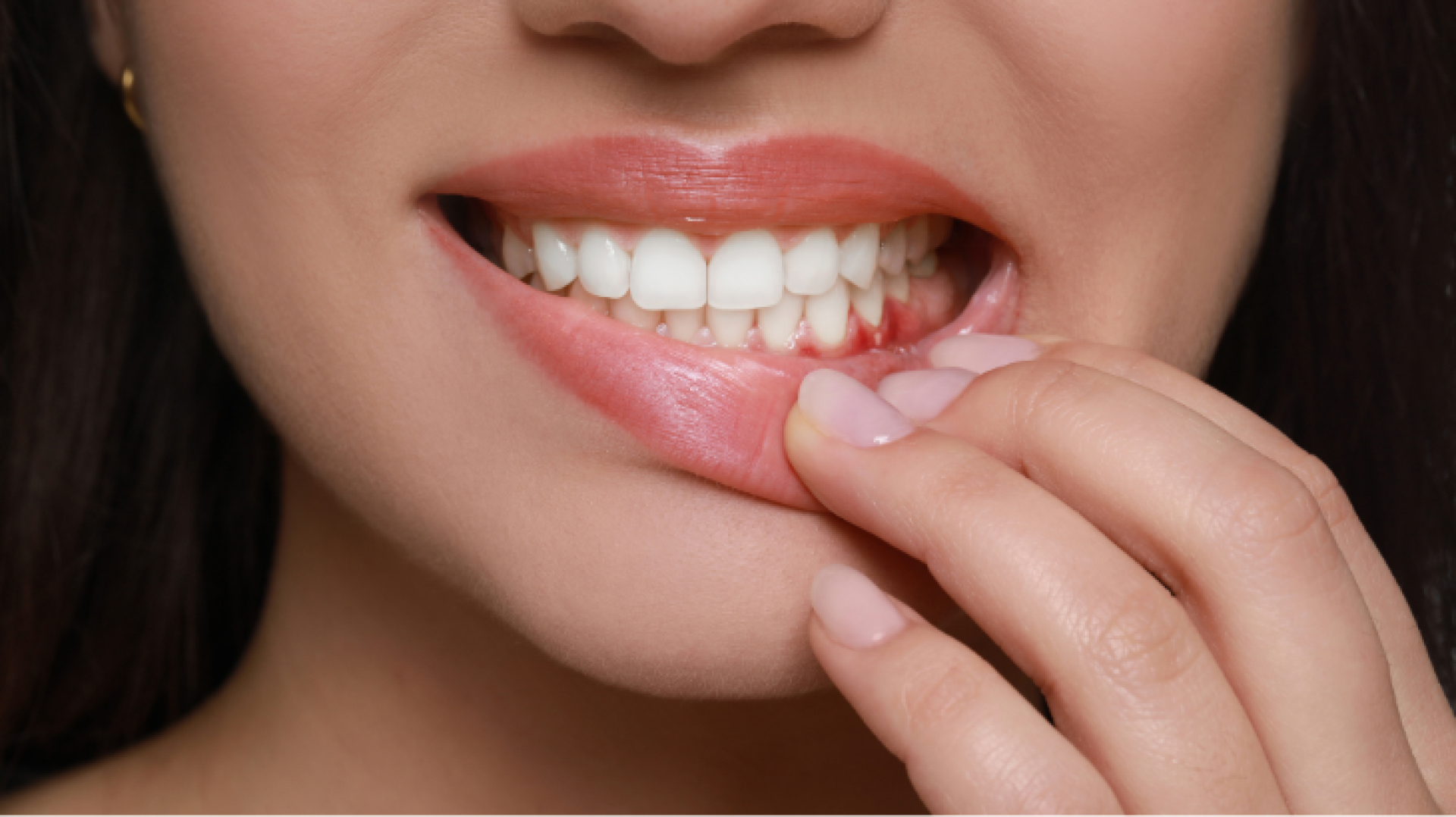
Swollen gums around a wisdom tooth are commonly caused by food particles and bacterial plaque accumulating under the gum tissue covering the impacted tooth, leading to inflammation and infection. If left untreated, the infection may develop into an abscess and spread to surrounding tissues, causing facial swelling and difficulty opening the mouth.
Treatment usually begins with antibiotics and pain medication to control inflammation. After the swelling improves, the dentist will evaluate whether wisdom tooth extraction or surgical removal is necessary. The average cost ranges from approximately 900 to 5,000 THB per tooth, depending on the tooth position, complexity of the procedure, and the type of dental facility chosen.
One of the most uncomfortable oral health problems is pain and swelling at the very back of the mouth. Many people become worried when they wake up and notice that their swollen gum around a wisdom tooth makes chewing difficult or causes discomfort.
This type of inflammation is not simply temporary pain. It is often a warning sign that bacteria are growing in an area that is difficult to clean. If ignored, swollen gums around a wisdom tooth can progress into a serious infection that affects the jawbone and surrounding tissues.
Understanding the causes, warning signs, and proper treatment methods can help prevent complications and ensure timely dental care.
Causes of Swollen Gum Around Wisdom Tooth and Infection
Understanding why the tissue around the back molar becomes swollen can help you recognize the importance of proper treatment and avoid assuming that the condition will always heal on its own.
Pericoronitis: Inflammation of Gum Tissue Covering the Wisdom Tooth
When a wisdom tooth starts to erupt but cannot fully emerge through the gum, a flap of gum tissue may partially cover the tooth. This gum flap can act like a pocket that traps food particles, plaque, and bacteria underneath.
During chewing, the opposing tooth may repeatedly bite against this swollen gum tissue, causing irritation, redness, inflammation, and significant pain.
This condition, known as pericoronitis, is one of the most common causes of swollen gums around wisdom teeth.
Deep Tooth Decay Reaching the Dental Pulp
Wisdom teeth often grow at an angle and press against neighboring molars. This creates small gaps that are difficult to clean with a toothbrush or dental floss.
Over time, trapped food and bacteria can cause deep cavities in both the wisdom tooth and the adjacent second molar. If decay reaches the dental pulp, bacteria can spread toward the tooth root and jawbone, causing severe swelling and eventually leading to an abscess.
กก
Warning Signs: When Can You Wait and When Should You See a Dentist Immediately?
The severity of swelling and pain around the back molar area can indicate the level of infection inside the mouth. You can use these signs as a basic checklist to evaluate your condition.
Mild Symptoms That May Be Temporarily Managed
If you experience mild discomfort, such as a dull ache when chewing, slightly red gum tissue near the back of your mouth, but no pus, no visible facial swelling, and you can still open your mouth normally, the inflammation may still be in its early stage.
During this period, you may temporarily relieve symptoms by rinsing with warm salt water and using over-the-counter pain relief medication while arranging a dental appointment.
However, a dental examination is still recommended because the underlying cause, such as an impacted wisdom tooth, may remain even after the swelling improves.
Severe Symptoms That Require Urgent Dental Treatment
If any of the following symptoms appear, it may indicate that the bacterial infection is spreading and you should visit a dentist as soon as possible.
Fever With Chills
A low-grade or high fever accompanied by chills may indicate that your immune system is actively fighting against a significant infection.
Increasing Difficulty Opening Your Mouth
When inflammation spreads to the jaw muscles and surrounding tissues, the muscles may become stiff and painful, making it difficult to open your mouth normally.
Noticeable Facial Swelling
Swelling on the cheek or jaw area may indicate that the infection has spread beyond the gum tissue into surrounding facial tissues.
Bad Taste, Foul Odor, or Pus Discharge
A strong unpleasant smell or a salty, foul-tasting fluid leaking from the gum is often a sign of a dental abscess or pus accumulation under the gum.
Factors That Affect the Cost of Treating Swollen Wisdom Tooth Gums
When visiting a dentist for swollen gums caused by a wisdom tooth, many patients are concerned about the treatment cost. The actual price varies depending on several factors.
Treatment Method: Simple Extraction vs Surgical Wisdom Tooth Removal
Affordable Wisdom Tooth Extraction
Simple extraction is suitable for cases where the wisdom tooth has fully erupted in a straight position and can be removed using standard dental instruments.
The average cost is approximately:
900–1,500 THB per tooth
Surgical Wisdom Tooth Removal Cost
For wisdom teeth that are impacted under the gum or bone, positioned horizontally, or growing against another tooth, a surgical procedure may be required.
The dentist may need to:
Open the gum tissue
Remove a small amount of bone
Divide the tooth into smaller sections before removal
Due to the complexity of the procedure, the average cost is approximately:
1,500–5,000 THB per tooth
The Condition of Inflammation on Your First Dental Visit
If you visit the dentist while the gum is severely inflamed, the dentist may not immediately remove the wisdom tooth.
In highly inflamed tissue, local anesthesia may not work effectively because infected areas can become more acidic, reducing the effectiveness of numbing medication.
The dentist may first:
Clean and rinse the infected gum area
Drain accumulated pus if necessary
Prescribe antibiotics and pain medication
Additional costs for emergency treatment and medication may range approximately:
300–600 THB
Once the swelling decreases, the dentist can schedule wisdom tooth removal safely.
Type of Dental Facility You Choose
The cost of treatment also depends on where you receive dental care.
Government Hospitals Government hospitals generally offer the most affordable treatment options. However, patients may experience longer waiting times, sometimes requiring appointments weeks or months in advance.
Private Dental Clinics Private dental clinics usually have moderate to higher costs but provide greater convenience, shorter waiting times, flexible appointment schedules, and modern equipment.
Private Hospitals Large private hospitals typically have the highest costs due to additional medical service fees, facility charges, and specialist care options.
How to Reduce Wisdom Tooth Pain and Swelling at Home
While waiting for a dental appointment or waiting for medication to reduce inflammation, you can follow these steps to relieve discomfort and prevent the infection from worsening.
Apply a Cold Compress
Place an ice pack or cold gel wrapped in a towel on the cheek area where the wisdom tooth swelling occurs.
Apply for 10–15 minutes at a time.
Cold temperatures help constrict blood vessels, reduce inflammation, and relieve throbbing pain.
Rinse With Warm Salt Water
Mix half a teaspoon of salt with one glass of warm water and gently rinse around the back molar area.
Salt water can help reduce bacteria and temporarily relieve gum irritation.
Adjust Your Diet
Avoid foods that are:
Extremely hot
Spicy
Highly acidic
These foods may increase blood circulation to the inflamed area and worsen swelling.
Choose soft foods that are easier to chew, such as:
Mashed potatoes
Yogurt
Soft rice porridge
Do Not Use Sharp Objects to Clean Under the Gum
Many people try to remove trapped food by using toothpicks or sharp objects.
This can damage the swollen gum tissue, create additional wounds, and introduce more bacteria into the infected area.
Risks of Ignoring Swollen Wisdom Tooth Gums and Relying Only on Medication
Taking painkillers or antibiotics every time symptoms return without removing the actual cause can become a dangerous cycle.
Antibiotics can temporarily reduce bacterial activity, but they do not remove the underlying problem, such as a trapped food pocket or an impacted wisdom tooth.
When your immune system becomes weaker due to stress, lack of sleep, or illness, the infection may return more severely.
Without proper treatment, the infection may spread deeper into the jaw tissue and develop into a serious abscess that requires more complicated treatment.
Safe and Effective Wisdom Tooth Treatment at Pasook Dental Clinic
If you are experiencing swollen gums around a wisdom tooth and need proper treatment advice along with a clear cost assessment, Pasook Dental Clinic provides professional consultation and treatment planning by experienced dentists specializing in wisdom tooth problems.
The clinic provides:
Professional wisdom tooth evaluation
Modern dental technology
Digital X-ray systems for accurate diagnosis
Safe and gentle treatment techniques
Clean and standardized facilities
With multiple convenient locations, Pasook Dental Clinic focuses on providing comfortable and effective dental care to help patients restore healthy gums and maintain long-term oral health.
FAQ: 5 Common Questions About Swollen Wisdom Tooth Gums
1. Can Social Security benefits cover wisdom tooth removal?
Yes. Eligible social security members may use dental benefits for tooth extraction and wisdom tooth removal up to 900 THB per year.
If treatment is performed at participating private dental clinics, the benefit may be deducted directly at the clinic. Patients only need to pay any remaining balance if the treatment cost exceeds the covered amount.
2. What will the dentist do if the gum around a wisdom tooth is severely swollen?
If there is a significant amount of pus or infection under the gum, the dentist may numb the area and drain the pus to reduce pressure and relieve severe pain.
After that, antibiotics may be prescribed until the swelling decreases before scheduling wisdom tooth removal.
3. Can I stop taking antibiotics once the pain disappears?
No. You should complete the full course of antibiotics as prescribed by your dentist, even if the pain and swelling improve.
Stopping antibiotics too early may allow remaining bacteria to survive and increase the risk of antibiotic resistance, making future treatment more difficult.
4. Can swollen wisdom tooth gums cause swollen lymph nodes under the jaw?
Yes. Lymph nodes under the jaw and neck help the immune system fight infections.
When a wisdom tooth infection becomes severe, nearby lymph nodes may become enlarged and tender. They usually return to normal after the source of infection is treated.
5. Can regular mouthwash make swollen wisdom tooth gums go away?
Regular mouthwash may help reduce bacteria on the surface of teeth and freshen breath, but it cannot reach deep infections under the gum tissue or inside the jawbone.
Warm salt water rinses combined with proper dental treatment and prescribed medication are usually more effective for controlling wisdom tooth-related swelling.
Treatment usually begins with antibiotics and pain medication to control inflammation. After the swelling improves, the dentist will evaluate whether wisdom tooth extraction or surgical removal is necessary. The average cost ranges from approximately 900 to 5,000 THB per tooth, depending on the tooth position, complexity of the procedure, and the type of dental facility chosen.
One of the most uncomfortable oral health problems is pain and swelling at the very back of the mouth. Many people become worried when they wake up and notice that their swollen gum around a wisdom tooth makes chewing difficult or causes discomfort.
This type of inflammation is not simply temporary pain. It is often a warning sign that bacteria are growing in an area that is difficult to clean. If ignored, swollen gums around a wisdom tooth can progress into a serious infection that affects the jawbone and surrounding tissues.
Understanding the causes, warning signs, and proper treatment methods can help prevent complications and ensure timely dental care.
Causes of Swollen Gum Around Wisdom Tooth and Infection
Understanding why the tissue around the back molar becomes swollen can help you recognize the importance of proper treatment and avoid assuming that the condition will always heal on its own.
Pericoronitis: Inflammation of Gum Tissue Covering the Wisdom Tooth
When a wisdom tooth starts to erupt but cannot fully emerge through the gum, a flap of gum tissue may partially cover the tooth. This gum flap can act like a pocket that traps food particles, plaque, and bacteria underneath.
During chewing, the opposing tooth may repeatedly bite against this swollen gum tissue, causing irritation, redness, inflammation, and significant pain.
This condition, known as pericoronitis, is one of the most common causes of swollen gums around wisdom teeth.
Deep Tooth Decay Reaching the Dental Pulp
Wisdom teeth often grow at an angle and press against neighboring molars. This creates small gaps that are difficult to clean with a toothbrush or dental floss.
Over time, trapped food and bacteria can cause deep cavities in both the wisdom tooth and the adjacent second molar. If decay reaches the dental pulp, bacteria can spread toward the tooth root and jawbone, causing severe swelling and eventually leading to an abscess.
กก
Warning Signs: When Can You Wait and When Should You See a Dentist Immediately?
The severity of swelling and pain around the back molar area can indicate the level of infection inside the mouth. You can use these signs as a basic checklist to evaluate your condition.
Mild Symptoms That May Be Temporarily Managed
If you experience mild discomfort, such as a dull ache when chewing, slightly red gum tissue near the back of your mouth, but no pus, no visible facial swelling, and you can still open your mouth normally, the inflammation may still be in its early stage.
During this period, you may temporarily relieve symptoms by rinsing with warm salt water and using over-the-counter pain relief medication while arranging a dental appointment.
However, a dental examination is still recommended because the underlying cause, such as an impacted wisdom tooth, may remain even after the swelling improves.
Severe Symptoms That Require Urgent Dental Treatment
If any of the following symptoms appear, it may indicate that the bacterial infection is spreading and you should visit a dentist as soon as possible.
Fever With Chills
A low-grade or high fever accompanied by chills may indicate that your immune system is actively fighting against a significant infection.
Increasing Difficulty Opening Your Mouth
When inflammation spreads to the jaw muscles and surrounding tissues, the muscles may become stiff and painful, making it difficult to open your mouth normally.
Noticeable Facial Swelling
Swelling on the cheek or jaw area may indicate that the infection has spread beyond the gum tissue into surrounding facial tissues.
Bad Taste, Foul Odor, or Pus Discharge
A strong unpleasant smell or a salty, foul-tasting fluid leaking from the gum is often a sign of a dental abscess or pus accumulation under the gum.
Factors That Affect the Cost of Treating Swollen Wisdom Tooth Gums
When visiting a dentist for swollen gums caused by a wisdom tooth, many patients are concerned about the treatment cost. The actual price varies depending on several factors.
Treatment Method: Simple Extraction vs Surgical Wisdom Tooth Removal
Affordable Wisdom Tooth Extraction
Simple extraction is suitable for cases where the wisdom tooth has fully erupted in a straight position and can be removed using standard dental instruments.
The average cost is approximately:
900–1,500 THB per tooth
Surgical Wisdom Tooth Removal Cost
For wisdom teeth that are impacted under the gum or bone, positioned horizontally, or growing against another tooth, a surgical procedure may be required.
The dentist may need to:
Open the gum tissue
Remove a small amount of bone
Divide the tooth into smaller sections before removal
Due to the complexity of the procedure, the average cost is approximately:
1,500–5,000 THB per tooth
The Condition of Inflammation on Your First Dental Visit
If you visit the dentist while the gum is severely inflamed, the dentist may not immediately remove the wisdom tooth.
In highly inflamed tissue, local anesthesia may not work effectively because infected areas can become more acidic, reducing the effectiveness of numbing medication.
The dentist may first:
Clean and rinse the infected gum area
Drain accumulated pus if necessary
Prescribe antibiotics and pain medication
Additional costs for emergency treatment and medication may range approximately:
300–600 THB
Once the swelling decreases, the dentist can schedule wisdom tooth removal safely.
Type of Dental Facility You Choose
The cost of treatment also depends on where you receive dental care.
Government Hospitals Government hospitals generally offer the most affordable treatment options. However, patients may experience longer waiting times, sometimes requiring appointments weeks or months in advance.
Private Dental Clinics Private dental clinics usually have moderate to higher costs but provide greater convenience, shorter waiting times, flexible appointment schedules, and modern equipment.
Private Hospitals Large private hospitals typically have the highest costs due to additional medical service fees, facility charges, and specialist care options.
How to Reduce Wisdom Tooth Pain and Swelling at Home
While waiting for a dental appointment or waiting for medication to reduce inflammation, you can follow these steps to relieve discomfort and prevent the infection from worsening.
Apply a Cold Compress
Place an ice pack or cold gel wrapped in a towel on the cheek area where the wisdom tooth swelling occurs.
Apply for 10–15 minutes at a time.
Cold temperatures help constrict blood vessels, reduce inflammation, and relieve throbbing pain.
Rinse With Warm Salt Water
Mix half a teaspoon of salt with one glass of warm water and gently rinse around the back molar area.
Salt water can help reduce bacteria and temporarily relieve gum irritation.
Adjust Your Diet
Avoid foods that are:
Extremely hot
Spicy
Highly acidic
These foods may increase blood circulation to the inflamed area and worsen swelling.
Choose soft foods that are easier to chew, such as:
Mashed potatoes
Yogurt
Soft rice porridge
Do Not Use Sharp Objects to Clean Under the Gum
Many people try to remove trapped food by using toothpicks or sharp objects.
This can damage the swollen gum tissue, create additional wounds, and introduce more bacteria into the infected area.
Risks of Ignoring Swollen Wisdom Tooth Gums and Relying Only on Medication
Taking painkillers or antibiotics every time symptoms return without removing the actual cause can become a dangerous cycle.
Antibiotics can temporarily reduce bacterial activity, but they do not remove the underlying problem, such as a trapped food pocket or an impacted wisdom tooth.
When your immune system becomes weaker due to stress, lack of sleep, or illness, the infection may return more severely.
Without proper treatment, the infection may spread deeper into the jaw tissue and develop into a serious abscess that requires more complicated treatment.
Safe and Effective Wisdom Tooth Treatment at Pasook Dental Clinic
If you are experiencing swollen gums around a wisdom tooth and need proper treatment advice along with a clear cost assessment, Pasook Dental Clinic provides professional consultation and treatment planning by experienced dentists specializing in wisdom tooth problems.
The clinic provides:
Professional wisdom tooth evaluation
Modern dental technology
Digital X-ray systems for accurate diagnosis
Safe and gentle treatment techniques
Clean and standardized facilities
With multiple convenient locations, Pasook Dental Clinic focuses on providing comfortable and effective dental care to help patients restore healthy gums and maintain long-term oral health.
FAQ: 5 Common Questions About Swollen Wisdom Tooth Gums
1. Can Social Security benefits cover wisdom tooth removal?
Yes. Eligible social security members may use dental benefits for tooth extraction and wisdom tooth removal up to 900 THB per year.
If treatment is performed at participating private dental clinics, the benefit may be deducted directly at the clinic. Patients only need to pay any remaining balance if the treatment cost exceeds the covered amount.
2. What will the dentist do if the gum around a wisdom tooth is severely swollen?
If there is a significant amount of pus or infection under the gum, the dentist may numb the area and drain the pus to reduce pressure and relieve severe pain.
After that, antibiotics may be prescribed until the swelling decreases before scheduling wisdom tooth removal.
3. Can I stop taking antibiotics once the pain disappears?
No. You should complete the full course of antibiotics as prescribed by your dentist, even if the pain and swelling improve.
Stopping antibiotics too early may allow remaining bacteria to survive and increase the risk of antibiotic resistance, making future treatment more difficult.
4. Can swollen wisdom tooth gums cause swollen lymph nodes under the jaw?
Yes. Lymph nodes under the jaw and neck help the immune system fight infections.
When a wisdom tooth infection becomes severe, nearby lymph nodes may become enlarged and tender. They usually return to normal after the source of infection is treated.
5. Can regular mouthwash make swollen wisdom tooth gums go away?
Regular mouthwash may help reduce bacteria on the surface of teeth and freshen breath, but it cannot reach deep infections under the gum tissue or inside the jawbone.
Warm salt water rinses combined with proper dental treatment and prescribed medication are usually more effective for controlling wisdom tooth-related swelling.
Related Content

What is fluoride varnish? How does it protect your teeth from cavities and make them stronger? Discover the real benefits of fluoride treatment and who can benefit from it.

What Are Tilted Teeth? Is It Dangerous If Left Untreated? Solutions and Estimated Costs
Wondering which wisdom teeth require surgery and which ones can be monitored? Learn how to identify problematic wisdom teeth, warning signs that need dental attention, and proper care tips to protect your oral health.