Does Wisdom Tooth Suture Removal Hurt? Answers to Common Concerns
Last updated: 13 Aug 2026
483 Views
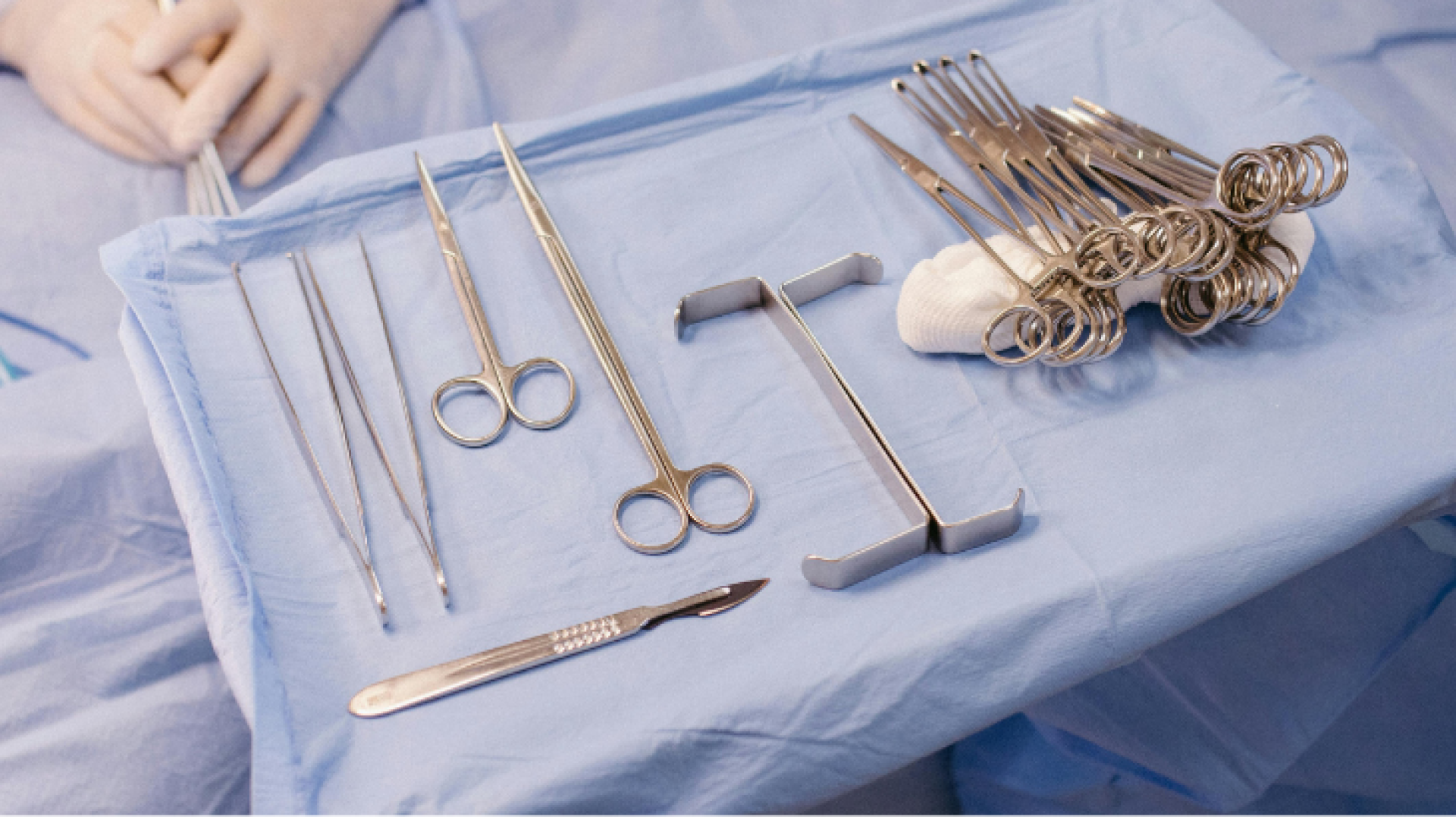
Does wisdom tooth suture removal hurt? Generally, it causes little to no pain. Most people only feel slight tightness or a gentle pulling sensation around the gum for a few seconds. This is because the wound has already started healing, and local anesthesia is usually not necessary. The dentist can typically complete the procedure within just a few minutes. In fact, many people say they barely feel anything at all, so there is usually no need to worry excessively.
One of the most common questions people ask after having their wisdom teeth removed is, “Does wisdom tooth suture removal hurt?” Many people still remember the sensation of the anesthetic injection and the extraction itself, so they worry that removing the stitches will hurt just as much.
The good news is that the answer is quite straightforward: wisdom tooth suture removal is usually almost painless and takes much less time than people expect. This article explains why stitches are used, the difference between dissolvable and non-dissolvable stitches, when stitches should typically be removed, what happens during the procedure, what it actually feels like, how to prepare, and which warning signs require a dental check-up. Understanding the process can help you feel more comfortable and confident before your appointment.
Does Wisdom Tooth Suture Removal Hurt? The Straight Answer
If you want the short answer to “Does wisdom tooth suture removal hurt?”, it is “Usually, no.”
The most common sensation is mild tightness or a slight pulling feeling in the gum when the stitch is removed. This sensation is generally easy to tolerate and disappears immediately.
The reason it usually does not hurt is that several days have passed since the surgery. The tissue has already started healing, and the stitches are generally positioned near the surface of the gum rather than deep inside the injured tissue. The dentist simply cuts the thread and gently removes it rather than reopening the wound.
Another reassuring point is that local anesthesia is usually not required for stitch removal. Unlike wisdom tooth surgery, there is no need to open the wound or remove bone. The procedure simply involves trimming and removing the stitches.
Many people who are worried about whether wisdom tooth suture removal will hurt are surprised afterward and say, “Is that all?” The procedure is often much quicker and easier than expected. If you are still anxious about the extraction itself, you can also learn more about whether wisdom tooth extraction hurts to better understand the overall process.
Why Are Stitches Needed After Wisdom Tooth Extraction?
Many people wonder why stitches are necessary after wisdom tooth surgery.
Wisdom teeth are often partially or completely covered by gum tissue or bone. To access the tooth, the dentist may need to make an incision in the gum. After the tooth is removed, the gum is stitched back together to help the wound heal, reduce the chance of food becoming trapped in the surgical area, and control bleeding.
Stitches also help keep the gum tissue in the proper position during the initial healing period.
There are two main types of stitches: dissolvable stitches and non-dissolvable stitches.
If non-dissolvable stitches are used, the dentist will schedule a follow-up appointment to remove them once the tissue has healed sufficiently. Leaving these stitches in for too long can allow plaque and bacteria to accumulate around them and may contribute to gum irritation or inflammation.
This is why stitch removal is an important part of follow-up care, and why you should not postpone your appointment simply because you are worried about whether wisdom tooth suture removal will hurt.
Dissolvable vs. Non-Dissolvable Stitches: What Is the Difference?
Before worrying about whether you need to return for stitch removal, it is helpful to know which type of stitches were used.
Topic
Dissolvable Stitches (Absorbable)
Non-Dissolvable Stitches
Need to return for removal?
Usually no; the body breaks them down naturally
Yes; the dentist needs to remove them
Typical breakdown/removal time
Around 1–3 weeks
Usually removed around 7–14 days
Sensation
May loosen or fall out in small pieces
Mild tightness when removed
Risk if left in place
Generally low because they dissolve
Plaque accumulation and gum irritation may occur
Cost
May be slightly higher
Commonly used standard option
Even if you have dissolvable stitches, your dentist may still schedule a follow-up appointment to check the wound. Occasionally, a stitch may not dissolve completely and the dentist may need to trim or remove the remaining portion.
Therefore, regardless of the type of stitches used, you should attend your scheduled follow-up appointment. When it comes to the question “Does wisdom tooth suture removal hurt?”, the sensation is generally minimal for both types.
How Many Days After Wisdom Tooth Surgery Are Stitches Removed?
In general, dentists often schedule stitch removal around 7 days after wisdom tooth surgery. Depending on the size and complexity of the wound, removal may take place around 7–10 days later, or sometimes up to 14 days.
The reason for waiting approximately one week is to allow the gum tissue enough time to heal and become sufficiently stable before the stitches are removed. Removing them too early may allow the wound to reopen, while leaving them in for too long can allow plaque and bacteria to accumulate around the threads.
The exact timing should therefore be determined by your dentist based on your individual wound.
You should not postpone the appointment on your own. If the wound is still slightly swollen or sore on the scheduled date, it is still a good idea to attend the appointment so the dentist can assess the healing process.
Mild discomfort during the first week can be normal. However, if you still have significant pain after seven days, you should be evaluated by a dentist. You can also read more about what it means if you still have pain 7 days after wisdom tooth surgery.
Step-by-Step: What Happens During Suture Removal?
Many people feel anxious simply because they do not know what will happen. Understanding the procedure can make the question “Does wisdom tooth suture removal hurt?” much less intimidating.
The typical process is:
The dentist examines the wound and checks whether the gum has healed sufficiently for the stitches to be removed.
The area around the wound is gently cleaned to remove plaque and debris.
The dentist uses dental tweezers to gently lift the knot so the thread can be seen clearly.
A small pair of scissors or a dental blade is used to cut the thread close to the gum.
The stitch is gently pulled out, usually creating only a brief feeling of tightness.
The process is repeated until all stitches have been removed.
The wound is checked again, and the dentist provides any additional aftercare instructions.
The entire procedure usually takes only a few minutes, often around 5–10 minutes, depending on the number of stitches.
In most cases, local anesthesia is not necessary. This is why the answer to “Does wisdom tooth suture removal hurt?” is generally “No, or only very slightly.”
What Does Suture Removal Actually Feel Like?
To give you a clearer idea of what to expect, here is what people commonly experience during each step:
Step
Common Sensation
Pain Level (0–10)
Cleaning around the wound
Cool or slightly wet sensation
0
Lifting the stitch knot
Mild tightness
0–1
Cutting the thread
Usually barely noticeable
0
Removing the stitch
Mild pulling or tightness for a moment
1–2
After removal
Relief and increased comfort
0
As you can see, the sensation is generally around 0–2 out of 10.
People who are particularly sensitive may feel a brief sharp sensation when a deeper stitch is removed, but it typically disappears immediately once the thread is out. It does not usually cause the prolonged pain associated with the original surgery.
Compared with tooth extraction or wisdom tooth surgery, suture removal is generally one of the easiest parts of the entire treatment process.
How to Prepare Before Your Suture Removal Appointment
Good preparation can make the appointment smoother and help reduce anxiety.
Although suture removal is a simple procedure, taking care of your mouth beforehand can help keep the area clean and make it easier for the dentist to examine.
Brush your teeth and clean your mouth as usual, but be gentle around the surgical site and avoid pulling on the stitches.
You can generally eat normally before the appointment. Fasting is not usually required for routine suture removal.
Tell your dentist about any medical conditions or medications, especially blood-thinning medications.
Get enough rest and try to reduce stress. Anxiety can make you more sensitive to physical sensations.
Attend your scheduled appointment rather than postponing it without consulting the dental clinic.
If you are still worried about whether wisdom tooth suture removal will hurt, simply tell your dentist that you are nervous. The dental team can explain each step and perform the procedure slowly and gently. Knowing what is happening can make the experience much more comfortable.
How to Care for Yourself After Suture Removal
Even after the stitches have been removed, the wound may not be completely healed. The deeper tissues may still need additional time to recover, so continued care is important.
During the first 1–2 days after suture removal, it is generally advisable to avoid hard, sticky, or very hot foods. Try chewing on the opposite side of the mouth.
You may gently rinse with warm salt water after meals to help keep the area clean, but avoid vigorous rinsing that could irritate the wound.
Continue brushing your teeth normally, while being gentle around the surgical area. Avoid smoking and alcohol because they can interfere with the healing process.
For more information about eating during recovery, see what to eat after wisdom tooth surgery to support healing.
With proper care, the wound should continue to heal over the following weeks. Any mild tightness or sensitivity should gradually improve.
Warning Signs That Require a Dental Check-Up
Although suture removal is generally safe and causes little discomfort, you should still monitor the area while waiting for your appointment and afterward.
Contact your dentist if you experience:
Bleeding that does not stop or continues for an unusually long time after suture removal
Pain that becomes increasingly severe instead of improving
Increasing swelling or redness, pus, or a foul smell coming from the wound
Fever or feeling generally unwell, which may indicate infection
The wound opening or separating after the stitches are removed
Persistent numbness of the lip or tongue that lasts longer than expected
A stitch falling out before the scheduled appointment, especially if this is accompanied by bleeding or pain
Mild tightness or brief sensitivity when exposed to cold water may occur during the early healing period and is not necessarily abnormal.
However, if you experience any of the warning signs above, contact your dentist promptly. Early assessment can help prevent complications and ensure that your recovery stays on track.
Tips for Reducing Anxiety Before Suture Removal
Most anxiety comes from not knowing what to expect and imagining that the procedure will be more painful than it actually is.
Once you know that wisdom tooth suture removal is generally quick and causes little to no pain, you can use a few simple techniques to stay relaxed on the day of your appointment.
Try taking slow, deep breaths before and during the procedure. Relaxing your body can help reduce tension and make the experience feel easier.
Talking openly with your dentist and dental team can also help. Tell them that you are nervous, and they can explain what they are doing and proceed gently.
Some people also find it helpful to listen to quiet music through headphones or schedule their appointment when they do not have to rush afterward.
Most importantly, remember that suture removal is considerably simpler and easier than the original wisdom tooth surgery. Many patients finish the procedure and realize that they had worried far more than necessary.
Conclusion
Does wisdom tooth suture removal hurt? In short, usually not.
Most people experience only mild tightness or a brief pulling sensation when the stitches are removed. The procedure usually takes only a few minutes and does not normally require local anesthesia because the wound has already had time to heal.
There are two main types of stitches: dissolvable stitches, which usually disappear on their own, and non-dissolvable stitches, which need to be removed by a dentist. If you have a scheduled follow-up appointment, it is important to attend it.
Before your appointment, keep your mouth clean, eat normally unless your dentist has given you different instructions, and inform your dentist about any medical conditions or medications.
After the stitches are removed, continue caring for the wound and watch for warning signs such as persistent bleeding, increasing pain, swelling, pus, or fever.
Once you understand the process, there is usually little reason to worry about whether wisdom tooth suture removal will hurt. You can walk into the dental office feeling much more confident and relaxed.
At Pasook Dental Clinic, we understand that the recovery period after wisdom tooth surgery, including suture removal, can make many patients feel anxious. Our experienced dental team provides gentle and attentive care throughout every stage of treatment, with a focus on safety, cleanliness, modern equipment, and patient comfort.
With convenient locations, we aim to support you from the day of your wisdom tooth surgery through suture removal and follow-up care, helping you recover comfortably and regain your confident smile.
Frequently Asked Questions (FAQ)
1. Does wisdom tooth suture removal hurt? What does it actually feel like?
Usually, it causes little to no pain. Most people feel only mild tightness or a brief pulling sensation in the gum when the stitch is removed. Local anesthesia is generally not needed, and the procedure takes only a few minutes.
2. How long does suture removal take?
It usually takes around 5–10 minutes, depending on the number of stitches. It is one of the quickest and easiest parts of the wisdom tooth treatment process.
3. If I have dissolvable stitches, do I still need to have them removed?
Usually, no. Dissolvable stitches are designed to break down naturally over approximately 1–3 weeks. However, your dentist may still schedule a follow-up examination, and any remaining stitch that has not dissolved may occasionally need to be trimmed or removed.
4. Can I postpone suture removal?
You should not postpone it for an extended period without consulting your dentist. Non-dissolvable stitches left in place too long may collect plaque and contribute to gum irritation or inflammation. If you cannot attend your appointment, contact the dental clinic to reschedule.
5. Is it normal to have pain or bleeding after suture removal?
A small amount of tightness or minor bleeding for a short time may occur. However, if you experience severe or worsening pain, persistent bleeding, increasing swelling, pus, or fever, contact your dentist promptly.
6. Can children or people who are afraid of needles have their stitches removed?
Yes. Suture removal generally does not require an injection or reopening the wound, making it much less intimidating for people who are afraid of needles. Simply tell your dentist that you are anxious so the dental team can explain the process and proceed gently.
One of the most common questions people ask after having their wisdom teeth removed is, “Does wisdom tooth suture removal hurt?” Many people still remember the sensation of the anesthetic injection and the extraction itself, so they worry that removing the stitches will hurt just as much.
The good news is that the answer is quite straightforward: wisdom tooth suture removal is usually almost painless and takes much less time than people expect. This article explains why stitches are used, the difference between dissolvable and non-dissolvable stitches, when stitches should typically be removed, what happens during the procedure, what it actually feels like, how to prepare, and which warning signs require a dental check-up. Understanding the process can help you feel more comfortable and confident before your appointment.
Does Wisdom Tooth Suture Removal Hurt? The Straight Answer
If you want the short answer to “Does wisdom tooth suture removal hurt?”, it is “Usually, no.”
The most common sensation is mild tightness or a slight pulling feeling in the gum when the stitch is removed. This sensation is generally easy to tolerate and disappears immediately.
The reason it usually does not hurt is that several days have passed since the surgery. The tissue has already started healing, and the stitches are generally positioned near the surface of the gum rather than deep inside the injured tissue. The dentist simply cuts the thread and gently removes it rather than reopening the wound.
Another reassuring point is that local anesthesia is usually not required for stitch removal. Unlike wisdom tooth surgery, there is no need to open the wound or remove bone. The procedure simply involves trimming and removing the stitches.
Many people who are worried about whether wisdom tooth suture removal will hurt are surprised afterward and say, “Is that all?” The procedure is often much quicker and easier than expected. If you are still anxious about the extraction itself, you can also learn more about whether wisdom tooth extraction hurts to better understand the overall process.
Why Are Stitches Needed After Wisdom Tooth Extraction?
Many people wonder why stitches are necessary after wisdom tooth surgery.
Wisdom teeth are often partially or completely covered by gum tissue or bone. To access the tooth, the dentist may need to make an incision in the gum. After the tooth is removed, the gum is stitched back together to help the wound heal, reduce the chance of food becoming trapped in the surgical area, and control bleeding.
Stitches also help keep the gum tissue in the proper position during the initial healing period.
There are two main types of stitches: dissolvable stitches and non-dissolvable stitches.
If non-dissolvable stitches are used, the dentist will schedule a follow-up appointment to remove them once the tissue has healed sufficiently. Leaving these stitches in for too long can allow plaque and bacteria to accumulate around them and may contribute to gum irritation or inflammation.
This is why stitch removal is an important part of follow-up care, and why you should not postpone your appointment simply because you are worried about whether wisdom tooth suture removal will hurt.
Dissolvable vs. Non-Dissolvable Stitches: What Is the Difference?
Before worrying about whether you need to return for stitch removal, it is helpful to know which type of stitches were used.
Topic
Dissolvable Stitches (Absorbable)
Non-Dissolvable Stitches
Need to return for removal?
Usually no; the body breaks them down naturally
Yes; the dentist needs to remove them
Typical breakdown/removal time
Around 1–3 weeks
Usually removed around 7–14 days
Sensation
May loosen or fall out in small pieces
Mild tightness when removed
Risk if left in place
Generally low because they dissolve
Plaque accumulation and gum irritation may occur
Cost
May be slightly higher
Commonly used standard option
Even if you have dissolvable stitches, your dentist may still schedule a follow-up appointment to check the wound. Occasionally, a stitch may not dissolve completely and the dentist may need to trim or remove the remaining portion.
Therefore, regardless of the type of stitches used, you should attend your scheduled follow-up appointment. When it comes to the question “Does wisdom tooth suture removal hurt?”, the sensation is generally minimal for both types.
How Many Days After Wisdom Tooth Surgery Are Stitches Removed?
In general, dentists often schedule stitch removal around 7 days after wisdom tooth surgery. Depending on the size and complexity of the wound, removal may take place around 7–10 days later, or sometimes up to 14 days.
The reason for waiting approximately one week is to allow the gum tissue enough time to heal and become sufficiently stable before the stitches are removed. Removing them too early may allow the wound to reopen, while leaving them in for too long can allow plaque and bacteria to accumulate around the threads.
The exact timing should therefore be determined by your dentist based on your individual wound.
You should not postpone the appointment on your own. If the wound is still slightly swollen or sore on the scheduled date, it is still a good idea to attend the appointment so the dentist can assess the healing process.
Mild discomfort during the first week can be normal. However, if you still have significant pain after seven days, you should be evaluated by a dentist. You can also read more about what it means if you still have pain 7 days after wisdom tooth surgery.
Step-by-Step: What Happens During Suture Removal?
Many people feel anxious simply because they do not know what will happen. Understanding the procedure can make the question “Does wisdom tooth suture removal hurt?” much less intimidating.
The typical process is:
The dentist examines the wound and checks whether the gum has healed sufficiently for the stitches to be removed.
The area around the wound is gently cleaned to remove plaque and debris.
The dentist uses dental tweezers to gently lift the knot so the thread can be seen clearly.
A small pair of scissors or a dental blade is used to cut the thread close to the gum.
The stitch is gently pulled out, usually creating only a brief feeling of tightness.
The process is repeated until all stitches have been removed.
The wound is checked again, and the dentist provides any additional aftercare instructions.
The entire procedure usually takes only a few minutes, often around 5–10 minutes, depending on the number of stitches.
In most cases, local anesthesia is not necessary. This is why the answer to “Does wisdom tooth suture removal hurt?” is generally “No, or only very slightly.”
What Does Suture Removal Actually Feel Like?
To give you a clearer idea of what to expect, here is what people commonly experience during each step:
Step
Common Sensation
Pain Level (0–10)
Cleaning around the wound
Cool or slightly wet sensation
0
Lifting the stitch knot
Mild tightness
0–1
Cutting the thread
Usually barely noticeable
0
Removing the stitch
Mild pulling or tightness for a moment
1–2
After removal
Relief and increased comfort
0
As you can see, the sensation is generally around 0–2 out of 10.
People who are particularly sensitive may feel a brief sharp sensation when a deeper stitch is removed, but it typically disappears immediately once the thread is out. It does not usually cause the prolonged pain associated with the original surgery.
Compared with tooth extraction or wisdom tooth surgery, suture removal is generally one of the easiest parts of the entire treatment process.
How to Prepare Before Your Suture Removal Appointment
Good preparation can make the appointment smoother and help reduce anxiety.
Although suture removal is a simple procedure, taking care of your mouth beforehand can help keep the area clean and make it easier for the dentist to examine.
Brush your teeth and clean your mouth as usual, but be gentle around the surgical site and avoid pulling on the stitches.
You can generally eat normally before the appointment. Fasting is not usually required for routine suture removal.
Tell your dentist about any medical conditions or medications, especially blood-thinning medications.
Get enough rest and try to reduce stress. Anxiety can make you more sensitive to physical sensations.
Attend your scheduled appointment rather than postponing it without consulting the dental clinic.
If you are still worried about whether wisdom tooth suture removal will hurt, simply tell your dentist that you are nervous. The dental team can explain each step and perform the procedure slowly and gently. Knowing what is happening can make the experience much more comfortable.
How to Care for Yourself After Suture Removal
Even after the stitches have been removed, the wound may not be completely healed. The deeper tissues may still need additional time to recover, so continued care is important.
During the first 1–2 days after suture removal, it is generally advisable to avoid hard, sticky, or very hot foods. Try chewing on the opposite side of the mouth.
You may gently rinse with warm salt water after meals to help keep the area clean, but avoid vigorous rinsing that could irritate the wound.
Continue brushing your teeth normally, while being gentle around the surgical area. Avoid smoking and alcohol because they can interfere with the healing process.
For more information about eating during recovery, see what to eat after wisdom tooth surgery to support healing.
With proper care, the wound should continue to heal over the following weeks. Any mild tightness or sensitivity should gradually improve.
Warning Signs That Require a Dental Check-Up
Although suture removal is generally safe and causes little discomfort, you should still monitor the area while waiting for your appointment and afterward.
Contact your dentist if you experience:
Bleeding that does not stop or continues for an unusually long time after suture removal
Pain that becomes increasingly severe instead of improving
Increasing swelling or redness, pus, or a foul smell coming from the wound
Fever or feeling generally unwell, which may indicate infection
The wound opening or separating after the stitches are removed
Persistent numbness of the lip or tongue that lasts longer than expected
A stitch falling out before the scheduled appointment, especially if this is accompanied by bleeding or pain
Mild tightness or brief sensitivity when exposed to cold water may occur during the early healing period and is not necessarily abnormal.
However, if you experience any of the warning signs above, contact your dentist promptly. Early assessment can help prevent complications and ensure that your recovery stays on track.
Tips for Reducing Anxiety Before Suture Removal
Most anxiety comes from not knowing what to expect and imagining that the procedure will be more painful than it actually is.
Once you know that wisdom tooth suture removal is generally quick and causes little to no pain, you can use a few simple techniques to stay relaxed on the day of your appointment.
Try taking slow, deep breaths before and during the procedure. Relaxing your body can help reduce tension and make the experience feel easier.
Talking openly with your dentist and dental team can also help. Tell them that you are nervous, and they can explain what they are doing and proceed gently.
Some people also find it helpful to listen to quiet music through headphones or schedule their appointment when they do not have to rush afterward.
Most importantly, remember that suture removal is considerably simpler and easier than the original wisdom tooth surgery. Many patients finish the procedure and realize that they had worried far more than necessary.
Conclusion
Does wisdom tooth suture removal hurt? In short, usually not.
Most people experience only mild tightness or a brief pulling sensation when the stitches are removed. The procedure usually takes only a few minutes and does not normally require local anesthesia because the wound has already had time to heal.
There are two main types of stitches: dissolvable stitches, which usually disappear on their own, and non-dissolvable stitches, which need to be removed by a dentist. If you have a scheduled follow-up appointment, it is important to attend it.
Before your appointment, keep your mouth clean, eat normally unless your dentist has given you different instructions, and inform your dentist about any medical conditions or medications.
After the stitches are removed, continue caring for the wound and watch for warning signs such as persistent bleeding, increasing pain, swelling, pus, or fever.
Once you understand the process, there is usually little reason to worry about whether wisdom tooth suture removal will hurt. You can walk into the dental office feeling much more confident and relaxed.
At Pasook Dental Clinic, we understand that the recovery period after wisdom tooth surgery, including suture removal, can make many patients feel anxious. Our experienced dental team provides gentle and attentive care throughout every stage of treatment, with a focus on safety, cleanliness, modern equipment, and patient comfort.
With convenient locations, we aim to support you from the day of your wisdom tooth surgery through suture removal and follow-up care, helping you recover comfortably and regain your confident smile.
Frequently Asked Questions (FAQ)
1. Does wisdom tooth suture removal hurt? What does it actually feel like?
Usually, it causes little to no pain. Most people feel only mild tightness or a brief pulling sensation in the gum when the stitch is removed. Local anesthesia is generally not needed, and the procedure takes only a few minutes.
2. How long does suture removal take?
It usually takes around 5–10 minutes, depending on the number of stitches. It is one of the quickest and easiest parts of the wisdom tooth treatment process.
3. If I have dissolvable stitches, do I still need to have them removed?
Usually, no. Dissolvable stitches are designed to break down naturally over approximately 1–3 weeks. However, your dentist may still schedule a follow-up examination, and any remaining stitch that has not dissolved may occasionally need to be trimmed or removed.
4. Can I postpone suture removal?
You should not postpone it for an extended period without consulting your dentist. Non-dissolvable stitches left in place too long may collect plaque and contribute to gum irritation or inflammation. If you cannot attend your appointment, contact the dental clinic to reschedule.
5. Is it normal to have pain or bleeding after suture removal?
A small amount of tightness or minor bleeding for a short time may occur. However, if you experience severe or worsening pain, persistent bleeding, increasing swelling, pus, or fever, contact your dentist promptly.
6. Can children or people who are afraid of needles have their stitches removed?
Yes. Suture removal generally does not require an injection or reopening the wound, making it much less intimidating for people who are afraid of needles. Simply tell your dentist that you are anxious so the dental team can explain the process and proceed gently.



Related Content

Worried about tooth extraction pain? Learn about the tooth extraction process, preparation tips, and ways to reduce anxiety before treatment at Pasook Dental Clinic.
What medication is good for gingivitis? Compare pain relievers, antibiotics, mouthwash, and gum gels, including important precautions and the risks of leaving gingivitis untreated.

Wondering about the cost of braces the first time? Learn the initial expenses, oral preparation costs, and how to plan your budget before visiting an orthodontist.