What Causes Cracked Teeth? 7 Common Causes and How to Prevent Them
Last updated: 6 Nov 2026
105 Views
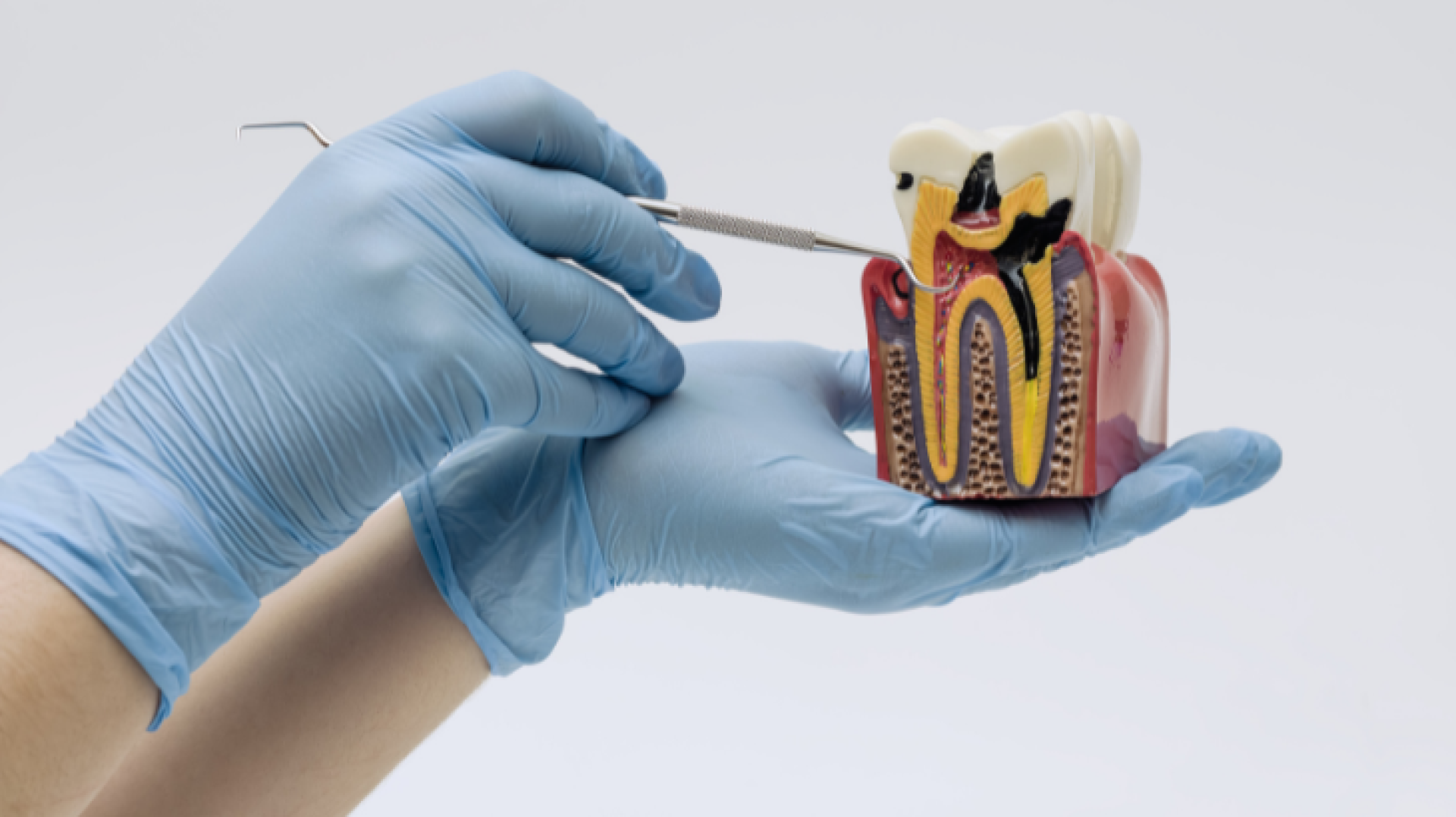
What causes cracked teeth? The short answer is that a tooth cracks when the force applied to it exceeds what its structure can withstand, often combined with factors that weaken the tooth. The seven most common causes include teeth grinding or clenching, chewing hard foods, large dental fillings or previous root canal treatment, untreated tooth decay, accidents and injuries, sudden temperature changes, and improper bite alignment combined with age-related wear. Most cases can be prevented through lifestyle adjustments, wearing a night guard, and regular dental checkups.
Many people only realize they have a cracked tooth when they experience a sudden, sharp pain while eating or notice a rough, sharp edge with their tongue. The first question that comes to mind is: What causes cracked teeth when there has been no fall or direct impact?
The truth is that most cracked teeth do not result from a single incident. Instead, they develop from repeated small amounts of pressure over time. These forces gradually create tiny cracks in the tooth, which may eventually spread and cause the tooth to break.
This article explores the seven common causes of cracked teeth, who is most at risk, how to recognize the warning signs, and what you can do to prevent further damage. Understanding the underlying causes can help you address existing dental problems and reduce the risk of other teeth developing similar issues.
Please note that this article provides general dental information. If you experience pain or notice a visible crack in your tooth, consult a dentist for a proper examination and diagnosis.
What Is a Cracked Tooth? How Is It Different from a Chipped or Fractured Tooth?
A tooth consists of three main layers: the enamel, which is the hardest outer layer; the dentin, which lies beneath the enamel; and the dental pulp, which contains nerves and blood vessels at the center.
When excessive force is applied to a tooth, the enamel may develop cracks. If these cracks extend deeper into the dentin or reach the dental pulp, symptoms may become increasingly noticeable.
Common Types of Tooth Cracks
Craze Lines: Tiny, superficial cracks that appear on the enamel surface. They usually do not cause symptoms and are common in adults.
Fractured Cusp: A portion of a tooth's chewing surface breaks off, often affecting teeth with large fillings.
Cracked Tooth: A crack extends from the chewing surface into the dentin. A common symptom is sharp pain when biting down or releasing the bite.
Split Tooth: A crack progresses over time until the tooth separates into two distinct sections.
Vertical Root Fracture: A crack that begins in the root of the tooth. This condition is more commonly associated with teeth that have undergone root canal treatment.
Identifying the type of tooth damage can help dentists determine the possible cause, as different factors may produce different patterns of cracking.
What Causes Cracked Teeth? An Overview of the 7 Main Causes
The causes of cracked teeth can generally be divided into two main categories.
The first involves excessive force, such as teeth grinding, chewing hard foods, and physical injuries.
The second involves weakened tooth structure, which may result from tooth decay, large fillings, previous root canal treatment, or age-related wear.
When these factors occur together, the risk of a tooth cracking increases significantly.
Cause 1: Teeth Grinding and Clenching During Sleep or Throughout the Day
Bruxism, or teeth grinding, is one of the leading causes of cracked teeth that often goes unnoticed.
During sleep, the force generated by grinding or clenching can be substantial and may occur repeatedly throughout the night. Daytime clenching is also common, particularly during stressful situations, prolonged screen time, or intense physical activity.
Who Is at Risk?
People who experience high levels of stress, poor sleep quality, morning jaw soreness, or headaches around the temples may be at greater risk.
Other warning signs include:
A partner or family member noticing grinding sounds during sleep.
Waking up with a sore jaw or tight facial muscles.
Noticeably flattened or worn-down front teeth.
How to Prevent It
One of the most effective ways to protect teeth from grinding-related damage is to wear a custom-fitted night guard prescribed by a dentist.
A night guard helps absorb and distribute the forces generated during sleep, reducing direct pressure on the teeth.
During the day, try to develop awareness of your jaw position. When you are not eating or speaking, your upper and lower teeth should generally remain slightly apart.
Managing stress and improving sleep quality can also help reduce the frequency of teeth grinding.
Cause 2: Chewing Hard Foods, Ice, and Using Teeth Improperly
Chewing ice, biting bones, cracking fruit seeds, eating hard candies, or biting into extremely hard nuts can place excessive pressure on specific areas of the teeth.
Using your teeth to open bottle caps or tear food packaging can also cause damage.
These activities create sudden, concentrated forces on the tooth cusps. If a small crack is already present, additional pressure may cause the tooth to fracture immediately.
Who Is at Risk?
People who regularly chew ice.
Those who frequently eat very hard or crunchy foods.
People who have habits such as biting pens or chewing their fingernails.
How to Prevent It
Avoid chewing ice cubes and be careful of bone fragments or hard seeds in food.
Use scissors or a bottle opener instead of your teeth when opening packages or bottles.
If you have previously received a dental filling or root canal treatment, avoid putting excessive pressure on the affected tooth when biting hard foods.
Cause 3: Large Dental Fillings and Previous Root Canal Treatment
When a tooth develops decay, the dentist must remove the damaged portion before placing a filling. This process reduces the amount of natural tooth structure remaining.
The larger the filling, the thinner and potentially weaker the surrounding tooth walls may become.
Older amalgam fillings (silver-colored fillings) may also contribute to stress on the surrounding tooth structure due to differences in thermal expansion and contraction over time.
If you are considering dental fillings, learn more in our article: Does Getting a Dental Filling Hurt?
Teeth that have undergone root canal treatment may also be more vulnerable to fractures. After treatment, the tooth may have lost a significant amount of its original structure due to decay and dental procedures.
Without adequate protection, particularly when a large portion of the tooth has been removed, the remaining structure may be more susceptible to fracture.
Who Is at Risk?
People with large fillings covering multiple surfaces of their molars.
Those who have had dental fillings for more than 10 years.
People who have undergone root canal treatment but have not received a dental crown when one is indicated.
How to Prevent It
Have old dental fillings checked regularly during routine dental appointments.
For teeth with significant structural damage, ask your dentist whether a dental crown or an onlay restoration would provide better protection.
These restorations help protect weakened tooth structures and distribute biting forces more evenly.
Cause 4: Untreated Tooth Decay That Weakens the Tooth Structure
Tooth decay gradually destroys the internal structure of a tooth, creating cavities that weaken its overall strength.
In some cases, the outer surface may still appear relatively normal, while the underlying structure has already been significantly damaged.
When pressure is applied during chewing, the weakened tooth walls may collapse or break.
This is why some people feel that their teeth have suddenly broken without any obvious cause, when the actual problem is long-standing tooth decay.
Learn more about the causes of tooth decay in our article: What Causes Tooth Decay?
Who Is at Risk?
People who frequently consume sugary foods and drinks.
Those who sip sweetened beverages throughout the day.
People who do not floss regularly.
Individuals who have not had a dental checkup for more than a year.
How to Prevent It
Brush your teeth at least twice a day using fluoride toothpaste and floss daily.
Reduce the frequency of sugary food and drink consumption, rather than focusing only on the total amount of sugar consumed.
Most importantly, treat tooth decay as early as possible, before the cavity becomes large enough to weaken the surrounding tooth walls.
Cause 5: Accidents, Physical Impact, and Sports Injuries
Falls, road accidents, collisions with balls, and accidental blows to the face during sports are among the most obvious causes of cracked teeth.
These injuries commonly affect the front teeth.
A single strong impact can cause a chipped tooth, a fracture extending into the dental pulp, or even a broken tooth root.
In some cases, the tooth may appear normal on the outside despite having internal damage or cracks that only become noticeable later.
Who Is at Risk?
Active children and teenagers.
Athletes participating in contact sports such as football, basketball, and boxing.
People who ride motorcycles or bicycles.
How to Prevent It
Wear a properly fitted mouthguard when participating in contact sports or activities with a high risk of facial impact.
Always wear an appropriate helmet, particularly when riding a motorcycle.
After an accident involving the face or mouth, visit a dentist for an examination, even if the teeth appear normal. Dental X-rays may be necessary to assess possible root damage.
Cause 6: Sudden Temperature Changes
Teeth naturally expand when exposed to heat and contract when exposed to cold.
Repeatedly switching between extremely hot and cold foods or drinks, such as drinking ice water immediately after eating hot soup, may contribute to thermal stress on the tooth structure.
Over time, repeated temperature fluctuations may contribute to the development of small cracks, particularly in teeth that are already weakened.
Teeth with metal fillings may also experience additional stress because restorative materials and natural tooth structures can respond differently to temperature changes.
Who Is at Risk?
People who frequently alternate between very hot and very cold foods or drinks.
Individuals with multiple metal fillings.
People who already experience frequent tooth sensitivity.
How to Prevent It
Avoid switching immediately between extremely hot and cold foods or beverages.
Allow hot food to cool slightly before drinking something very cold.
If you frequently experience tooth sensitivity, consult a dentist to check for possible cracks or other underlying dental problems.
Cause 7: Improper Bite Alignment and Age-Related Tooth Wear
As people get older, their teeth undergo years of chewing forces and everyday use.
Over time, enamel may become thinner, and small cracks can accumulate.
The risk may increase when bite alignment is uneven. For example, certain teeth may make contact before others, causing them to absorb excessive pressure.
Losing a molar without replacing it can also change the distribution of biting forces. Nearby teeth may gradually shift or tilt, potentially creating additional problems.
Learn more about this condition in our article: What Happens When Teeth Shift or Tilt?
Who Is at Risk?
Adults aged 40 and above.
People who have lost molars without replacing them.
Individuals with bite alignment problems, including crowded teeth, protruding teeth, or deep bites.
How to Prevent It
Replace missing teeth when recommended by your dentist to help maintain proper bite alignment and distribute chewing forces.
Have your bite evaluated if certain teeth experience excessive pressure.
If significant alignment problems are present, orthodontic treatment may be recommended.
Learn more in our article: When Should You Consider Braces?
Comparison Table: Causes of Cracked Teeth, Risk Groups, and Prevention
Cause
Common Types of Damage
High-Risk Groups
Main Prevention Methods
Teeth grinding or clenching
Multiple cracks, flattened or worn teeth
People with stress or poor sleep
Wear a night guard and manage stress
Chewing hard foods
Chipped cusps and localized cracks
People who chew ice or hard foods
Avoid ice and never use teeth to open bottles
Large fillings or previous root canal treatment
Broken tooth walls and vertical root fractures
People with large fillings or unprotected root canal-treated teeth
Consider crowns and check old fillings
Advanced tooth decay
Weakened tooth walls and structural collapse
People who frequently consume sugar or skip dental checkups
Use fluoride, floss daily, and treat decay early
Accidents and sports injuries
Broken front teeth and root fractures
Children and contact-sport athletes
Wear mouthguards and helmets
Sudden temperature changes
Enamel cracks
People who frequently consume extremely hot and cold foods
Avoid sudden temperature changes
Improper bite alignment and age-related wear
Accumulated cracks, particularly in molars
Adults aged 40+ and people with missing teeth
Replace missing teeth, correct bite problems, and consider orthodontic treatment
What Are the Signs That Your Tooth May Be Cracked or Broken?
Early tooth cracks are often difficult to detect with the naked eye. However, your body may provide several warning signs, including:
Sharp pain when biting down, especially when releasing the bite.
Sensitivity to hot, cold, or sweet foods and drinks, particularly in the same tooth.
A sharp or rough edge that you can feel with your tongue, or a small piece of tooth breaking off.
Intermittent pain that makes it difficult to identify exactly which tooth is affected.
Swelling or a pus-filled bump around the affected tooth, which may sometimes be confused with gum problems. Learn more in our article: Swollen Gums Around Molars: Causes and Treatment
Self-Assessment Checklist: Are You at Risk of Cracked Teeth?
Answer the following questions to assess your potential risk.
If you answer "Yes" to three or more questions, you may have a higher risk of developing cracked teeth than the general population. Consider scheduling a dental examination soon.
Do you wake up with jaw soreness or temple headaches, or has someone told you that you grind your teeth while sleeping?
Do you frequently chew ice, eat hard foods, or use your teeth to open packages?
Do you have molars with large fillings or fillings that are more than 10 years old?
Have you undergone root canal treatment without subsequently receiving a dental crown when one was recommended?
Have you not had a dental checkup for more than a year?
Do you participate in contact sports without wearing a mouthguard?
Have you had a molar extracted without replacing the missing tooth?
A Practical Plan to Prevent Cracked Teeth: What You Can Do Today
Now that you understand what causes cracked teeth, you can take steps to reduce your risk by addressing the underlying factors.
Follow these six steps:
Identify Your Risky Habits: Pay attention to whether you grind your teeth, chew ice, or use your teeth for tasks they are not designed for.
Gradually Change Your Habits: Start with the habits you engage in most frequently. For example, replace chewing ice with simply drinking cold water.
Ask About a Night Guard: If you grind your teeth during sleep, consult a dentist about getting a custom-fitted night guard.
Wear a Mouthguard During Sports: This is particularly important for contact sports and activities involving fast-moving balls.
Maintain Good Oral Hygiene: Brush with fluoride toothpaste and floss regularly to prevent tooth decay from further weakening your teeth.
Schedule Dental Checkups Every Six Months: Regular examinations allow your dentist to check for cracks, evaluate old fillings, and assess your bite alignment.
Important Precautions If You Suspect a Cracked Tooth
If you think you have a cracked tooth, keep the following precautions in mind:
Avoid chewing with the affected tooth, as additional pressure may cause the crack to extend deeper and potentially lead to tooth loss.
Do not use sharp objects to probe the crack or attempt to remove broken tooth fragments yourself.
Do not rely on pain medication while ignoring the underlying problem. The disappearance of pain does not necessarily mean the tooth has healed.
Never use household glue or materials that are not specifically designed for dental treatment to repair a tooth.
If you experience swollen gums, fever, or facial swelling, seek dental care promptly, as these symptoms may indicate an infection.
How Are Cracked Teeth Treated? A Brief Overview
Treatment depends on the size, location, and severity of the crack.
Superficial enamel cracks may not require treatment. Minor chips can sometimes be repaired with dental fillings or smoothing.
Deeper cracks may require a dental crown to hold the remaining tooth structure together and protect it from further damage.
If the crack extends into the dental pulp, root canal treatment may be necessary before placing a crown.
In severe cases involving a split tooth or vertical root fracture, tooth extraction may be the only viable option.
If you are concerned about the procedure, learn more in our article: Does Tooth Extraction Hurt?
Your dentist must examine the affected tooth and may need to take dental X-rays before recommending the appropriate treatment.
Treatment costs vary depending on the procedure and materials used. Contact your dental clinic directly for an accurate estimate after your examination.
Conclusion: What Causes Cracked Teeth and How Can You Prevent Them?
Cracked teeth are generally caused by a combination of excessive biting forces and weakened tooth structures.
The seven most common causes include teeth grinding, chewing hard foods, large dental fillings and previous root canal treatment, tooth decay, accidents, sudden temperature changes, and improper bite alignment combined with age-related wear.
The good news is that many of these risk factors can be managed or prevented through better daily habits and regular dental checkups.
If you experience sharp pain when biting, recurring sensitivity in the same tooth, or discover that you may be at higher risk based on the checklist above, the dental team at Pasook Dental Clinic can help.
Our dentists can examine your teeth for cracks, assess existing fillings, and develop a personalized treatment and prevention plan. Services may include custom night guards and restorative treatments to protect weakened teeth.
Schedule a dental appointment before a small crack develops into a more serious dental problem.
Frequently Asked Questions (FAQ)
1. What causes cracked teeth even without falling or experiencing an impact?
Most cases result from accumulated pressure over time, such as teeth grinding during sleep, regularly chewing hard foods, or weakened tooth structures caused by decay and large fillings.
Small cracks may gradually develop and spread until the tooth eventually breaks during an ordinary activity, such as chewing food.
2. Can a cracked tooth heal on its own?
No. Unlike bones, teeth cannot regenerate new tooth structure to repair a crack.
Superficial enamel cracks may not cause symptoms or require treatment. However, deeper cracks can progress over time, so it is important to have them evaluated by a dentist.
3. Do root canal-treated teeth always need dental crowns?
Molars that have undergone root canal treatment are often recommended for dental crowns because they may have lost significant tooth structure and are more vulnerable to fractures.
For front teeth, the need for a crown depends on how much natural tooth structure remains. Your dentist will assess each tooth individually before recommending treatment.
4. Can teeth grinding really cause cracked teeth?
Yes. Grinding generates significant pressure on the teeth and may occur repeatedly throughout the night.
Over time, this can contribute to enamel wear, tooth cracks, and damage to existing dental fillings.
Wearing a custom-fitted night guard can help protect your teeth by absorbing and distributing some of the forces generated during grinding.
5. What are the most common causes of cracked teeth in children?
In children, cracked teeth are commonly caused by accidents, falls, and sports-related injuries. Untreated tooth decay can also weaken children's teeth and make them more susceptible to fractures.
Parents should encourage children to wear mouthguards when participating in contact sports and arrange regular dental checkups.
6. How can I tell if my tooth pain is caused by a crack rather than tooth decay?
A cracked tooth often causes sharp pain when biting down or releasing the bite, sometimes depending on the angle or position of the bite.
Tooth decay, on the other hand, may cause sensitivity to sweet or cold foods and drinks.
However, the symptoms can overlap, making it difficult to identify the exact cause without a professional examination.
A dentist may perform a bite test, examine the tooth, and take dental X-rays when necessary to determine the underlying problem.
Related Content
Does wisdom tooth suture removal hurt? In most cases, it causes little to no pain, with only mild tightness or pulling. Learn about the procedure, timing, preparation, aftercare, and warning signs to watch for.

Thinking about getting braces but not sure where to start? Learn how many types of braces are available, including metal braces, Damon braces, and clear aligners. Compare pros and cons and get expert tips to choose the best option for you.

Discover the differences between veneers and dental crowns, their pros and cons, and expert advice on choosing the best option.