Check Your Wisdom Tooth Characteristics: Which Types Are More Likely to Require Surgical Removal?
Last updated: 23 Sept 2026
489 Views
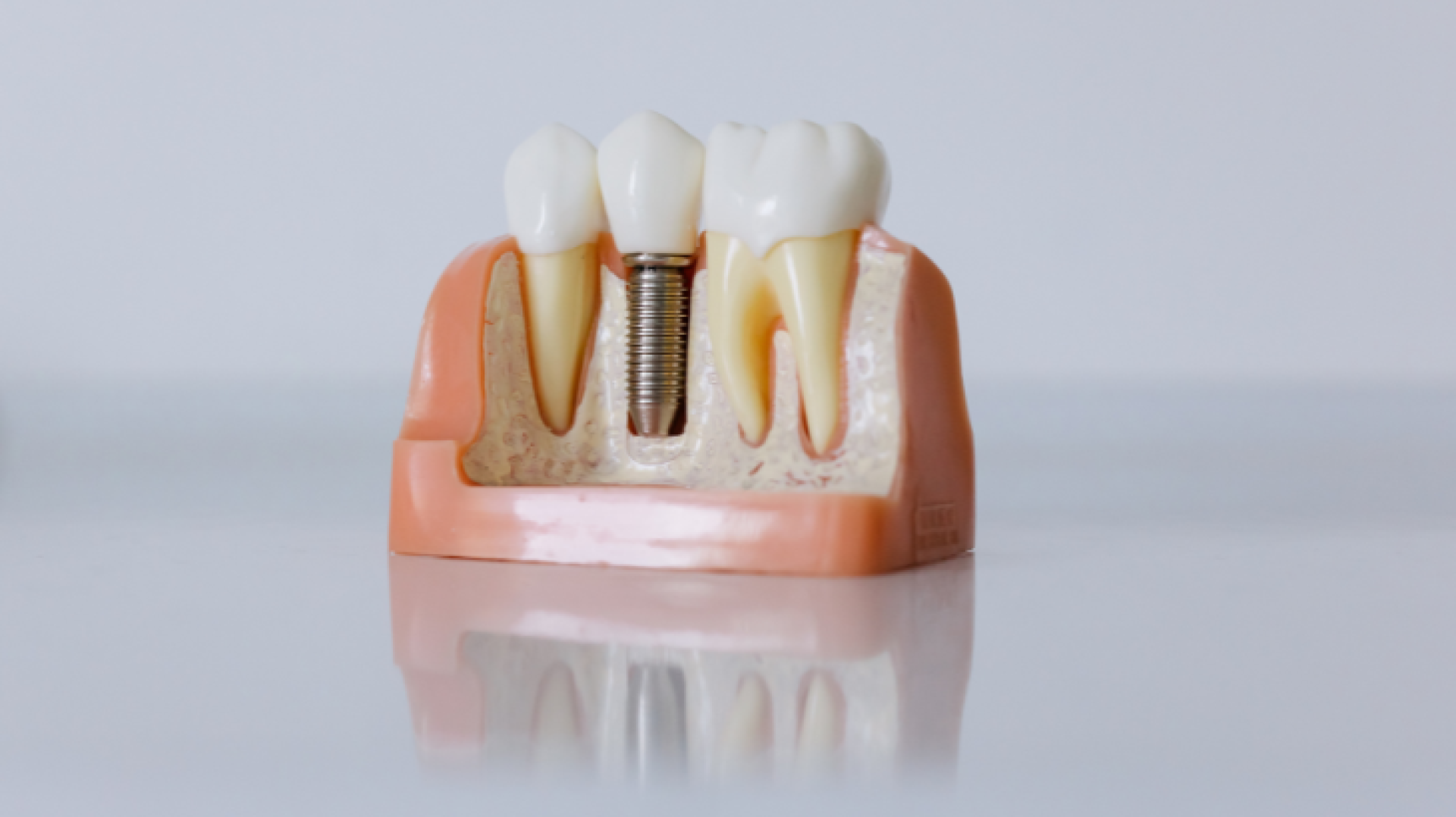
Wisdom teeth can develop in several different ways, including wisdom teeth that tilt toward the adjacent molar, remain fully impacted in the gum or jawbone, partially erupt, lie horizontally, or grow upright but have no opposing tooth. Tilted, impacted, partially erupted, and horizontal wisdom teeth generally carry a higher risk and are more likely to require surgical removal. An upright wisdom tooth that has fully erupted and has a functional opposing tooth may not need to be removed. Accurate diagnosis requires a dental examination and X-ray imaging.
Many people know they have wisdom teeth but do not know what type of wisdom tooth they actually have. This is important because each type has different risks and may require a different treatment approach. Some types should be removed before complications develop, while others may simply be monitored without surgery.
This article will introduce the major types of wisdom teeth in detail, including tilted wisdom teeth, fully impacted wisdom teeth, partially erupted wisdom teeth, horizontal wisdom teeth, and upright wisdom teeth without an opposing tooth. We will explain what each type looks like, how risky it may be, and which types dentists commonly recommend for surgical removal. This information can help you understand your wisdom teeth before visiting a dentist.
What Is a Wisdom Tooth and Why Do They Develop Differently?
A wisdom tooth is the third molar, located at the very back of the mouth. It may fail to erupt completely because there is not enough space in the jaw or because the adjacent molar blocks its path. As a result, the tooth may grow at an abnormal angle, become tilted, or remain trapped beneath the gum or inside the jawbone. Wisdom teeth typically begin to erupt between the ages of 17 and 25.
The reason wisdom teeth develop differently from person to person is related to jaw size, the angle and direction of tooth growth, and the amount of available space. If you want to learn more about why wisdom teeth develop, you can read more about the causes of wisdom teeth.
These differences in the direction and level of eruption create various wisdom tooth characteristics, which are important factors in determining whether a wisdom tooth is likely to cause problems and how it should be managed.
How Many Types of Wisdom Teeth Are There? An Overview
Before going into detail, let's take a look at the main types of wisdom teeth. Dentists commonly classify them according to their direction of eruption and how much of the tooth has emerged from the gum. You can also read more about the different types of wisdom teeth and their risks.
Overall, there are five major types:
Mesially impacted wisdom tooth — tilted forward toward the adjacent molar
Fully impacted wisdom tooth — completely trapped beneath the gum or inside the jawbone
Partially erupted wisdom tooth — only part of the tooth has emerged
Horizontally impacted wisdom tooth — lying sideways against the adjacent tooth
Vertical wisdom tooth without an opposing tooth — grows upright but has no tooth to bite against
Each type has different characteristics and levels of risk. Let's look at each one in more detail.
Different Wisdom Tooth Characteristics and Their Risks
Mesially Impacted Wisdom Tooth
This is one of the most common types of wisdom tooth. The tooth tilts forward toward the adjacent second molar, causing the crown of the wisdom tooth to press against or come into contact with the neighboring molar.
From the outside, you may see part of the wisdom tooth emerging at an angle, although it may also remain partially or completely hidden beneath the gum.
The main concern is that the pressure and contact between the two teeth can contribute to damage to the adjacent molar, including decay at the contact area and problems caused by tooth displacement. You can also learn more about tilted teeth and potential solutions.
The space between the two teeth can also be difficult to clean, allowing food debris and bacteria to accumulate. This increases the risk of tooth decay and gum inflammation.
Wisdom teeth that are significantly tilted toward the adjacent molar are often recommended for surgical removal to prevent damage to the healthier neighboring tooth.
Fully Impacted Wisdom Tooth
A fully impacted wisdom tooth remains completely beneath the gum or inside the jawbone and does not emerge into the mouth. Because it cannot be seen, many people do not know they have one until an X-ray reveals it.
Some people experience no symptoms for many years, while others may develop a dull, deep pain or a cyst around the impacted tooth. In some cases, such a cyst can damage the surrounding bone and neighboring tooth roots without causing obvious symptoms at first.
The risk depends on the tooth's position and direction. If the impacted tooth is pressing against another tooth or is associated with a cyst, surgical removal may be recommended. However, if it is deeply embedded, remains stable, does not damage neighboring structures, and causes no symptoms, a dentist may recommend periodic monitoring with X-rays instead of immediate surgery.
Partially Erupted Wisdom Tooth
A partially erupted wisdom tooth has emerged through the gum only partly, while a section of gum still covers part of the tooth.
When looking in a mirror, you may see only a small portion of the tooth at the very back of the mouth, with gum tissue covering part of it.
This type can be more problematic than it appears because the pocket created by the gum flap can trap food and bacteria. The area can be difficult to clean, increasing the risk of inflammation around the wisdom tooth, known as pericoronitis.
Symptoms may include swelling, pain, bad breath, and repeated episodes of inflammation.
Because the gum flap can continue to trap bacteria and food, partially erupted wisdom teeth are often recommended for surgical removal when they repeatedly cause problems.
Horizontal Impaction
A horizontally impacted wisdom tooth is considered one of the more complex and higher-risk types.
The tooth lies almost parallel to the jaw and may press directly against the root or body of the adjacent molar. It is usually difficult or impossible to see from the outside, but its horizontal position can be clearly identified on an X-ray.
The pressure may contribute to damage to the adjacent tooth, including root resorption, deep decay, pain, and damage to the surrounding bone.
Most horizontally impacted wisdom teeth require surgical removal. The procedure can also be more complicated than a straightforward extraction because the dentist may need to section the tooth into smaller pieces before removing it.
Vertical Wisdom Tooth With No Opposing Tooth
In this case, the wisdom tooth grows upright and may fully emerge from the gum, but there is no opposing tooth in the upper or lower jaw to bite against it.
Without an opposing tooth, the wisdom tooth may gradually continue erupting beyond the normal biting plane, a process known as over-eruption. It may eventually contact the opposing gum or interfere with the bite.
Although an upright wisdom tooth may be healthy and easy to clean, removal may be considered if it becomes excessively elongated or begins to interfere with normal occlusion.
However, fully erupted upright wisdom teeth are the group most likely to not require surgical removal, provided they can be properly cleaned and do not cause problems.
Comparison Table: Wisdom Tooth Characteristics and Risk Levels
The table below summarizes the major types of wisdom teeth, their appearance, risk level, and whether surgical removal is generally recommended.
Wisdom Tooth Type
Appearance / Direction
Risk Level
Does It Need Surgical Removal?
Mesially impacted
Tilted toward the adjacent tooth
High — may damage the neighboring tooth, cause decay, or contribute to tooth displacement
Often requires removal
Fully impacted in bone/gum
Completely hidden beneath the gum or bone
Moderate to high — may be associated with cysts or pressure on neighboring roots
Depends on X-ray findings; may be monitored or removed
Partially erupted
Partially visible with gum covering part of the tooth
High — repeated inflammation and bad breath
Often requires removal
Horizontally impacted
Lying sideways and pressing against the adjacent tooth
Very high — may cause root resorption and pain
Almost always requires removal
Fully erupted upright with no opposing tooth
Upright and fully erupted but lacks an opposing tooth
Low to moderate — may over-erupt
May not require removal if well maintained
As the table shows, fully erupted upright wisdom teeth generally have the lowest risk, while horizontal and significantly tilted wisdom teeth are among the types that should receive closer attention.
If you are unsure whether your wisdom tooth falls into a category that may not require surgery, you can read more about wisdom teeth that may not need surgical removal. A dentist should evaluate the tooth together with X-ray findings before making a final decision.
How to Check Your Wisdom Tooth Characteristics Yourself
Although an accurate diagnosis requires a dental examination and X-ray, you can perform a basic self-check to get an initial idea of your wisdom tooth condition.
Wash your hands and look in a mirror in a well-lit area. You can use your phone's flashlight to help illuminate the very back of your mouth.
Use your tongue or a clean finger to gently feel behind the last molar. Check whether you can feel a hard tip of a tooth or a swollen area of gum.
Observe whether the rearmost tooth appears upright and aligned with the other teeth or whether it seems tilted, angled, or partially covered by gum.
Gently check the gum around the wisdom tooth for tenderness, swelling, redness, or any fluid or pus.
Look for other symptoms such as a dull ache at the back of the jaw, difficulty opening your mouth, unusual bad breath, or pain radiating toward the ear.
Make a note of what you observe and tell your dentist during your appointment. This information can be useful when combined with your X-ray findings.
Self-checking can help you become more aware of your wisdom tooth condition, but it cannot replace a professional dental examination. Wisdom teeth that are fully embedded in the bone may not be visible from outside the mouth at all.
The Role of X-rays in Diagnosing Wisdom Tooth Characteristics
One of the main limitations of checking your wisdom teeth visually is that you cannot see teeth hidden beneath the gum or inside the jawbone.
Dental X-rays, particularly panoramic X-rays, are therefore an important diagnostic tool. They can show the direction of the wisdom tooth, how deeply it is impacted, the shape and number of its roots, and its relationship to neighboring teeth, nerves, and the sinus.
This information allows the dentist to determine whether your wisdom tooth is tilted, impacted, partially erupted, or horizontal. It also helps assess the complexity and potential risks of removal.
For more complicated cases, such as a lower wisdom tooth positioned close to the mandibular nerve, a three-dimensional CT scan may be recommended.
Having clear diagnostic images allows the dentist to develop a safer treatment plan, reduce potential surgical risks, and explain why your particular wisdom tooth should or should not be removed.
Warning Signs: Wisdom Tooth Characteristics That May Be High Risk
Certain wisdom tooth positions and symptoms should not be ignored. These include:
A horizontally or severely tilted wisdom tooth pressing against the neighboring tooth, accompanied by sensitivity, pain, or looseness of the adjacent tooth
A partially erupted wisdom tooth with repeated gum inflammation, swelling, pus, or pain severe enough to make opening the mouth or swallowing difficult. In some cases, infection can spread into the deeper tissues of the face and neck.
An impacted wisdom tooth associated with a cyst around the tooth, which may gradually damage the jawbone without producing obvious symptoms initially
Severe tooth decay affecting the wisdom tooth or adjacent molar, potentially progressing to pulp infection
Numbness, swelling spreading toward the neck, fever, or sudden severe pain, which require prompt dental evaluation
If your self-check reveals any of these warning signs, do not simply wait for them to disappear. Inflammation and cysts can sometimes progress quietly and become more difficult to treat when left untreated.
When Should You See a Dentist Promptly?
To make the decision easier, here are situations in which you should arrange a dental appointment promptly, regardless of the type of wisdom tooth you have:
Recurrent or increasingly severe pain and swelling at the back of the jaw
Red, swollen gums around the wisdom tooth, pus, or persistent bad breath despite brushing
Difficulty opening your mouth, chewing, or swallowing
Sensitivity, pain, or looseness developing in the neighboring molar
A previous X-ray showing an impacted, tilted, or horizontal wisdom tooth that has not yet been treated
Planning orthodontic treatment, pregnancy, or having an underlying medical condition that may affect dental treatment
Even if your wisdom tooth has no symptoms, regular dental checkups and appropriate X-ray monitoring can help detect potential problems early.
If surgical removal becomes necessary, understanding the wisdom tooth removal procedure and what to expect regarding pain can help reduce anxiety and prepare you for treatment.
Summary
There are several different wisdom tooth characteristics, ranging from tilted wisdom teeth pressing against adjacent molars, fully impacted teeth hidden beneath the gum or jawbone, partially erupted teeth, horizontally impacted teeth, and fully erupted upright wisdom teeth without an opposing tooth.
Each type has different characteristics and levels of risk. In general, tilted, partially erupted, and horizontal wisdom teeth are more likely to require surgical removal, while deeply impacted wisdom teeth without symptoms and fully erupted upright wisdom teeth may sometimes be monitored instead of removed.
Checking your wisdom tooth yourself can provide useful preliminary information, but an accurate diagnosis requires a dental examination and X-ray.
If you would like to find out what type of wisdom tooth you have and whether it should be surgically removed, Pasook Dental Clinic provides care from experienced dental professionals, using modern X-ray equipment and dental technology to accurately assess wisdom teeth and plan treatment.
The clinic emphasizes cleanliness and safety according to international standards, with multiple convenient locations and a team committed to caring for patients throughout every stage of treatment.
Frequently Asked Questions (FAQ)
1. Which type of wisdom tooth is the most dangerous?
Horizontal impaction is considered one of the highest-risk types because the tooth lies sideways and can directly press against the root of the adjacent molar. It may contribute to root resorption, deep tooth decay, and significant pain. Most cases require surgical removal. Mesially impacted and partially erupted wisdom teeth can also cause recurring problems.
2. Does a fully impacted wisdom tooth without symptoms need to be removed?
Not necessarily. If an X-ray shows that the tooth is deeply impacted, remains stable, does not damage neighboring teeth, and is not associated with a cyst, the dentist may recommend periodic monitoring rather than immediate surgery.
However, if a cyst develops or the tooth begins affecting a neighboring tooth, surgical removal may be recommended.
3. How can I check my wisdom tooth characteristics?
Look in a well-lit mirror and examine the very back of your mouth. Check whether part of the tooth is visible, whether it appears tilted, or whether gum tissue partially covers it. You can also check for swelling or tenderness.
However, wisdom teeth embedded inside the jawbone cannot be properly evaluated visually and require an X-ray for confirmation.
4. Why is an X-ray necessary before deciding whether to remove a wisdom tooth?
An X-ray can show the tooth's direction, depth, root shape, and relationship to neighboring teeth, nerves, and the sinus. This allows the dentist to identify the type of wisdom tooth more accurately and develop a safer and more precise treatment plan.
5. Does an upright wisdom tooth that can be used for chewing need to be removed?
If the wisdom tooth is fully erupted, properly aligned, has an opposing tooth, can be cleaned effectively, and does not cause any problems, removal may not be necessary.
However, if there is no opposing tooth and the wisdom tooth begins to over-erupt, or if it is difficult to clean and develops decay, it should be evaluated by a dentist.
6. What can happen if a high-risk wisdom tooth is left untreated for too long?
It may lead to progressive decay of the wisdom tooth or neighboring molar, recurring gum inflammation and infection, tooth displacement, cyst formation and bone damage, and in some cases an infection that spreads toward the neck and becomes potentially dangerous.
The longer a problematic wisdom tooth is left untreated, the more complicated treatment may become. Early evaluation is therefore recommended.
Many people know they have wisdom teeth but do not know what type of wisdom tooth they actually have. This is important because each type has different risks and may require a different treatment approach. Some types should be removed before complications develop, while others may simply be monitored without surgery.
This article will introduce the major types of wisdom teeth in detail, including tilted wisdom teeth, fully impacted wisdom teeth, partially erupted wisdom teeth, horizontal wisdom teeth, and upright wisdom teeth without an opposing tooth. We will explain what each type looks like, how risky it may be, and which types dentists commonly recommend for surgical removal. This information can help you understand your wisdom teeth before visiting a dentist.
What Is a Wisdom Tooth and Why Do They Develop Differently?
A wisdom tooth is the third molar, located at the very back of the mouth. It may fail to erupt completely because there is not enough space in the jaw or because the adjacent molar blocks its path. As a result, the tooth may grow at an abnormal angle, become tilted, or remain trapped beneath the gum or inside the jawbone. Wisdom teeth typically begin to erupt between the ages of 17 and 25.
The reason wisdom teeth develop differently from person to person is related to jaw size, the angle and direction of tooth growth, and the amount of available space. If you want to learn more about why wisdom teeth develop, you can read more about the causes of wisdom teeth.
These differences in the direction and level of eruption create various wisdom tooth characteristics, which are important factors in determining whether a wisdom tooth is likely to cause problems and how it should be managed.
How Many Types of Wisdom Teeth Are There? An Overview
Before going into detail, let's take a look at the main types of wisdom teeth. Dentists commonly classify them according to their direction of eruption and how much of the tooth has emerged from the gum. You can also read more about the different types of wisdom teeth and their risks.
Overall, there are five major types:
Mesially impacted wisdom tooth — tilted forward toward the adjacent molar
Fully impacted wisdom tooth — completely trapped beneath the gum or inside the jawbone
Partially erupted wisdom tooth — only part of the tooth has emerged
Horizontally impacted wisdom tooth — lying sideways against the adjacent tooth
Vertical wisdom tooth without an opposing tooth — grows upright but has no tooth to bite against
Each type has different characteristics and levels of risk. Let's look at each one in more detail.
Different Wisdom Tooth Characteristics and Their Risks
Mesially Impacted Wisdom Tooth
This is one of the most common types of wisdom tooth. The tooth tilts forward toward the adjacent second molar, causing the crown of the wisdom tooth to press against or come into contact with the neighboring molar.
From the outside, you may see part of the wisdom tooth emerging at an angle, although it may also remain partially or completely hidden beneath the gum.
The main concern is that the pressure and contact between the two teeth can contribute to damage to the adjacent molar, including decay at the contact area and problems caused by tooth displacement. You can also learn more about tilted teeth and potential solutions.
The space between the two teeth can also be difficult to clean, allowing food debris and bacteria to accumulate. This increases the risk of tooth decay and gum inflammation.
Wisdom teeth that are significantly tilted toward the adjacent molar are often recommended for surgical removal to prevent damage to the healthier neighboring tooth.
Fully Impacted Wisdom Tooth
A fully impacted wisdom tooth remains completely beneath the gum or inside the jawbone and does not emerge into the mouth. Because it cannot be seen, many people do not know they have one until an X-ray reveals it.
Some people experience no symptoms for many years, while others may develop a dull, deep pain or a cyst around the impacted tooth. In some cases, such a cyst can damage the surrounding bone and neighboring tooth roots without causing obvious symptoms at first.
The risk depends on the tooth's position and direction. If the impacted tooth is pressing against another tooth or is associated with a cyst, surgical removal may be recommended. However, if it is deeply embedded, remains stable, does not damage neighboring structures, and causes no symptoms, a dentist may recommend periodic monitoring with X-rays instead of immediate surgery.
Partially Erupted Wisdom Tooth
A partially erupted wisdom tooth has emerged through the gum only partly, while a section of gum still covers part of the tooth.
When looking in a mirror, you may see only a small portion of the tooth at the very back of the mouth, with gum tissue covering part of it.
This type can be more problematic than it appears because the pocket created by the gum flap can trap food and bacteria. The area can be difficult to clean, increasing the risk of inflammation around the wisdom tooth, known as pericoronitis.
Symptoms may include swelling, pain, bad breath, and repeated episodes of inflammation.
Because the gum flap can continue to trap bacteria and food, partially erupted wisdom teeth are often recommended for surgical removal when they repeatedly cause problems.
Horizontal Impaction
A horizontally impacted wisdom tooth is considered one of the more complex and higher-risk types.
The tooth lies almost parallel to the jaw and may press directly against the root or body of the adjacent molar. It is usually difficult or impossible to see from the outside, but its horizontal position can be clearly identified on an X-ray.
The pressure may contribute to damage to the adjacent tooth, including root resorption, deep decay, pain, and damage to the surrounding bone.
Most horizontally impacted wisdom teeth require surgical removal. The procedure can also be more complicated than a straightforward extraction because the dentist may need to section the tooth into smaller pieces before removing it.
Vertical Wisdom Tooth With No Opposing Tooth
In this case, the wisdom tooth grows upright and may fully emerge from the gum, but there is no opposing tooth in the upper or lower jaw to bite against it.
Without an opposing tooth, the wisdom tooth may gradually continue erupting beyond the normal biting plane, a process known as over-eruption. It may eventually contact the opposing gum or interfere with the bite.
Although an upright wisdom tooth may be healthy and easy to clean, removal may be considered if it becomes excessively elongated or begins to interfere with normal occlusion.
However, fully erupted upright wisdom teeth are the group most likely to not require surgical removal, provided they can be properly cleaned and do not cause problems.
Comparison Table: Wisdom Tooth Characteristics and Risk Levels
The table below summarizes the major types of wisdom teeth, their appearance, risk level, and whether surgical removal is generally recommended.
Wisdom Tooth Type
Appearance / Direction
Risk Level
Does It Need Surgical Removal?
Mesially impacted
Tilted toward the adjacent tooth
High — may damage the neighboring tooth, cause decay, or contribute to tooth displacement
Often requires removal
Fully impacted in bone/gum
Completely hidden beneath the gum or bone
Moderate to high — may be associated with cysts or pressure on neighboring roots
Depends on X-ray findings; may be monitored or removed
Partially erupted
Partially visible with gum covering part of the tooth
High — repeated inflammation and bad breath
Often requires removal
Horizontally impacted
Lying sideways and pressing against the adjacent tooth
Very high — may cause root resorption and pain
Almost always requires removal
Fully erupted upright with no opposing tooth
Upright and fully erupted but lacks an opposing tooth
Low to moderate — may over-erupt
May not require removal if well maintained
As the table shows, fully erupted upright wisdom teeth generally have the lowest risk, while horizontal and significantly tilted wisdom teeth are among the types that should receive closer attention.
If you are unsure whether your wisdom tooth falls into a category that may not require surgery, you can read more about wisdom teeth that may not need surgical removal. A dentist should evaluate the tooth together with X-ray findings before making a final decision.
How to Check Your Wisdom Tooth Characteristics Yourself
Although an accurate diagnosis requires a dental examination and X-ray, you can perform a basic self-check to get an initial idea of your wisdom tooth condition.
Wash your hands and look in a mirror in a well-lit area. You can use your phone's flashlight to help illuminate the very back of your mouth.
Use your tongue or a clean finger to gently feel behind the last molar. Check whether you can feel a hard tip of a tooth or a swollen area of gum.
Observe whether the rearmost tooth appears upright and aligned with the other teeth or whether it seems tilted, angled, or partially covered by gum.
Gently check the gum around the wisdom tooth for tenderness, swelling, redness, or any fluid or pus.
Look for other symptoms such as a dull ache at the back of the jaw, difficulty opening your mouth, unusual bad breath, or pain radiating toward the ear.
Make a note of what you observe and tell your dentist during your appointment. This information can be useful when combined with your X-ray findings.
Self-checking can help you become more aware of your wisdom tooth condition, but it cannot replace a professional dental examination. Wisdom teeth that are fully embedded in the bone may not be visible from outside the mouth at all.
The Role of X-rays in Diagnosing Wisdom Tooth Characteristics
One of the main limitations of checking your wisdom teeth visually is that you cannot see teeth hidden beneath the gum or inside the jawbone.
Dental X-rays, particularly panoramic X-rays, are therefore an important diagnostic tool. They can show the direction of the wisdom tooth, how deeply it is impacted, the shape and number of its roots, and its relationship to neighboring teeth, nerves, and the sinus.
This information allows the dentist to determine whether your wisdom tooth is tilted, impacted, partially erupted, or horizontal. It also helps assess the complexity and potential risks of removal.
For more complicated cases, such as a lower wisdom tooth positioned close to the mandibular nerve, a three-dimensional CT scan may be recommended.
Having clear diagnostic images allows the dentist to develop a safer treatment plan, reduce potential surgical risks, and explain why your particular wisdom tooth should or should not be removed.
Warning Signs: Wisdom Tooth Characteristics That May Be High Risk
Certain wisdom tooth positions and symptoms should not be ignored. These include:
A horizontally or severely tilted wisdom tooth pressing against the neighboring tooth, accompanied by sensitivity, pain, or looseness of the adjacent tooth
A partially erupted wisdom tooth with repeated gum inflammation, swelling, pus, or pain severe enough to make opening the mouth or swallowing difficult. In some cases, infection can spread into the deeper tissues of the face and neck.
An impacted wisdom tooth associated with a cyst around the tooth, which may gradually damage the jawbone without producing obvious symptoms initially
Severe tooth decay affecting the wisdom tooth or adjacent molar, potentially progressing to pulp infection
Numbness, swelling spreading toward the neck, fever, or sudden severe pain, which require prompt dental evaluation
If your self-check reveals any of these warning signs, do not simply wait for them to disappear. Inflammation and cysts can sometimes progress quietly and become more difficult to treat when left untreated.
When Should You See a Dentist Promptly?
To make the decision easier, here are situations in which you should arrange a dental appointment promptly, regardless of the type of wisdom tooth you have:
Recurrent or increasingly severe pain and swelling at the back of the jaw
Red, swollen gums around the wisdom tooth, pus, or persistent bad breath despite brushing
Difficulty opening your mouth, chewing, or swallowing
Sensitivity, pain, or looseness developing in the neighboring molar
A previous X-ray showing an impacted, tilted, or horizontal wisdom tooth that has not yet been treated
Planning orthodontic treatment, pregnancy, or having an underlying medical condition that may affect dental treatment
Even if your wisdom tooth has no symptoms, regular dental checkups and appropriate X-ray monitoring can help detect potential problems early.
If surgical removal becomes necessary, understanding the wisdom tooth removal procedure and what to expect regarding pain can help reduce anxiety and prepare you for treatment.
Summary
There are several different wisdom tooth characteristics, ranging from tilted wisdom teeth pressing against adjacent molars, fully impacted teeth hidden beneath the gum or jawbone, partially erupted teeth, horizontally impacted teeth, and fully erupted upright wisdom teeth without an opposing tooth.
Each type has different characteristics and levels of risk. In general, tilted, partially erupted, and horizontal wisdom teeth are more likely to require surgical removal, while deeply impacted wisdom teeth without symptoms and fully erupted upright wisdom teeth may sometimes be monitored instead of removed.
Checking your wisdom tooth yourself can provide useful preliminary information, but an accurate diagnosis requires a dental examination and X-ray.
If you would like to find out what type of wisdom tooth you have and whether it should be surgically removed, Pasook Dental Clinic provides care from experienced dental professionals, using modern X-ray equipment and dental technology to accurately assess wisdom teeth and plan treatment.
The clinic emphasizes cleanliness and safety according to international standards, with multiple convenient locations and a team committed to caring for patients throughout every stage of treatment.
Frequently Asked Questions (FAQ)
1. Which type of wisdom tooth is the most dangerous?
Horizontal impaction is considered one of the highest-risk types because the tooth lies sideways and can directly press against the root of the adjacent molar. It may contribute to root resorption, deep tooth decay, and significant pain. Most cases require surgical removal. Mesially impacted and partially erupted wisdom teeth can also cause recurring problems.
2. Does a fully impacted wisdom tooth without symptoms need to be removed?
Not necessarily. If an X-ray shows that the tooth is deeply impacted, remains stable, does not damage neighboring teeth, and is not associated with a cyst, the dentist may recommend periodic monitoring rather than immediate surgery.
However, if a cyst develops or the tooth begins affecting a neighboring tooth, surgical removal may be recommended.
3. How can I check my wisdom tooth characteristics?
Look in a well-lit mirror and examine the very back of your mouth. Check whether part of the tooth is visible, whether it appears tilted, or whether gum tissue partially covers it. You can also check for swelling or tenderness.
However, wisdom teeth embedded inside the jawbone cannot be properly evaluated visually and require an X-ray for confirmation.
4. Why is an X-ray necessary before deciding whether to remove a wisdom tooth?
An X-ray can show the tooth's direction, depth, root shape, and relationship to neighboring teeth, nerves, and the sinus. This allows the dentist to identify the type of wisdom tooth more accurately and develop a safer and more precise treatment plan.
5. Does an upright wisdom tooth that can be used for chewing need to be removed?
If the wisdom tooth is fully erupted, properly aligned, has an opposing tooth, can be cleaned effectively, and does not cause any problems, removal may not be necessary.
However, if there is no opposing tooth and the wisdom tooth begins to over-erupt, or if it is difficult to clean and develops decay, it should be evaluated by a dentist.
6. What can happen if a high-risk wisdom tooth is left untreated for too long?
It may lead to progressive decay of the wisdom tooth or neighboring molar, recurring gum inflammation and infection, tooth displacement, cyst formation and bone damage, and in some cases an infection that spreads toward the neck and becomes potentially dangerous.
The longer a problematic wisdom tooth is left untreated, the more complicated treatment may become. Early evaluation is therefore recommended.


Related Content

Wondering about the cost of braces the first time? Learn the initial expenses, oral preparation costs, and how to plan your budget before visiting an orthodontist.

A complete guide to jaw surgery combined with orthodontic treatment for patients with jaw structure abnormalities. Learn about the treatment process, timeline, costs, and post-surgery care for the best results.

Does wisdom tooth suture removal hurt? In most cases, it causes little to no pain, with only mild tightness or pulling. Learn about the procedure, timing, preparation, aftercare, and warning signs to watch for.