What Causes Swollen Gums? 10 Common Causes You Shouldn’t Overlook
Last updated: 26 Sept 2026
41 Views
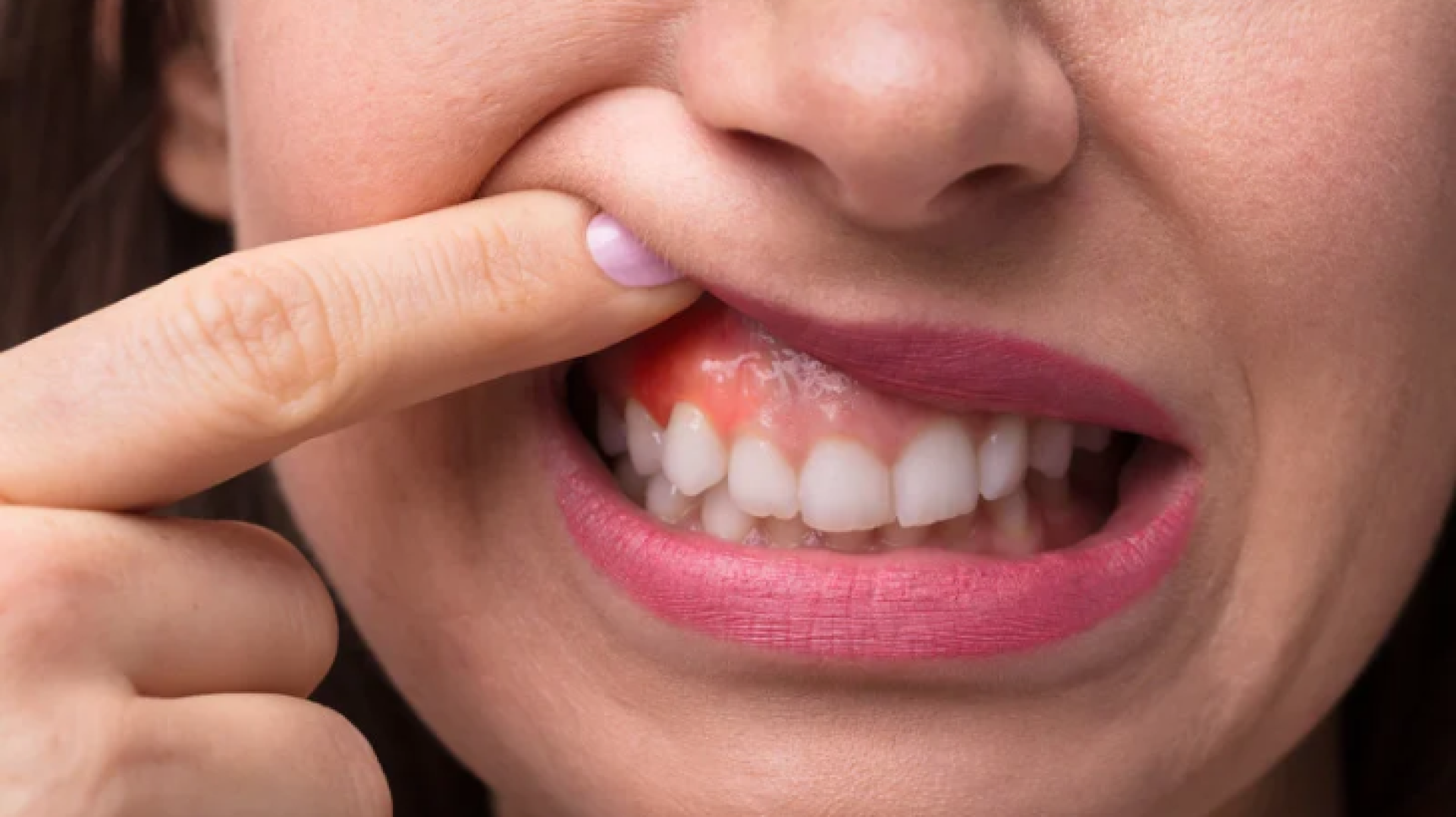
What causes swollen gums? The most common cause is inflammation from plaque and tartar buildup along the gumline. However, swollen gums can also result from advanced tooth decay, wisdom teeth, improper brushing, hormonal changes, vitamin deficiencies, certain medications, and health conditions such as diabetes. If swelling lasts for more than a week or is accompanied by pus, you should see a dentist.
Many people wake up with throbbing, swollen, or tender gums, or notice bleeding while brushing, and start wondering: what causes swollen gums? Why does the swelling sometimes go away within 2–3 days, while in other cases it lasts for weeks and makes eating uncomfortable?
The truth is that swollen gums are not a disease itself, but rather a sign that inflammation is occurring in the mouth. The underlying cause can range from something minor, such as food trapped between the teeth, to more serious problems such as periodontal disease, which can eventually lead to loose or missing teeth.
This article explores the answer to what causes swollen gums, covering 10 common causes, how to recognize them, which cases may improve with proper home care, and when you should see a dentist before the problem gets worse.
What Causes Swollen Gums? Understanding How Inflammation Works
Before answering what causes swollen gums, it helps to understand what healthy gums look like. Healthy gums are usually light pink, firm, and closely attached around the teeth. They should not normally bleed during brushing.
When something irritates the gums—such as bacteria, pressure, or injury—the body responds by sending immune cells and inflammatory chemicals to the affected area. Blood vessels also widen to increase blood flow. As a result, the gums may become red, swollen, warm, and tender.
This inflammatory response is part of the body's natural defense system. The problem occurs when the source of irritation remains. Inflammation can become chronic and gradually damage the tissues and bone that support the teeth. Because chronic gum disease may not always cause significant pain, some people may not realize that the condition is progressing.
Understanding what causes swollen gums is therefore not just about relieving discomfort. It can also help protect your teeth and oral health in the long term.
Cause #1: Plaque and Tartar Buildup Along the Gumline
If you had to choose one common answer to what causes swollen gums, plaque would be high on the list.
Plaque is a sticky film containing bacteria that forms on the teeth when bacteria interact with food particles and saliva. It begins to form again soon after brushing. If plaque is not removed effectively—especially around the gumline, the inner surfaces of the teeth, and the back molars—it can irritate the gums.
Over time, plaque can harden into tartar, also known as dental calculus. Unlike soft plaque, tartar cannot be removed effectively with a regular toothbrush. Its rough surface provides additional areas where bacteria can accumulate, allowing gum inflammation to persist.
Professional dental cleaning can remove tartar that cannot be eliminated through regular brushing and flossing. Your dentist can also recommend an appropriate cleaning schedule based on your oral health rather than applying the same interval to everyone.
Cause #2: Gingivitis Progressing to Periodontal Disease
Early gum inflammation, known as gingivitis, affects the gum tissue around the teeth. Common signs include red or swollen gums and bleeding during brushing or flossing. At this stage, the condition can often be improved with better plaque control and professional dental care.
If inflammation continues untreated, it can progress to periodontal disease, which affects the tissues and bone supporting the teeth. Pockets can develop between the gums and teeth, allowing bacteria to accumulate below the gumline.
As periodontal disease progresses, symptoms may include gum recession, persistent bad breath, loose teeth, and eventually tooth loss. A tooth that is lost may also affect the position of neighboring teeth, potentially causing them to shift or tilt into the empty space.
In some cases, severely damaged teeth may require tooth extraction, while changes in tooth position may lead to problems such as tilted teeth.
Cause #3: Brushing Too Hard or Using the Wrong Technique
It may seem surprising, but the answer to what causes swollen gums can sometimes be overzealous brushing.
Brushing too aggressively, using a hard-bristled toothbrush, or repeatedly scrubbing the teeth back and forth can irritate or injure the gum tissue. Over time, this may contribute to gum recession, exposed tooth roots, and tooth sensitivity.
A better approach is to use a soft-bristled toothbrush and gentle movements along the gumline. Brush for about two minutes twice a day and clean between your teeth every day using dental floss or an interdental brush.
The goal is not to brush harder, but to clean more effectively without damaging the gums.
Cause #4: Food or Foreign Objects Trapped Between the Teeth
If one small area of the gum suddenly becomes swollen and tender after eating, trapped food may be the cause.
Small pieces of meat, vegetable fibers, seeds, or other food particles can become lodged between the teeth or beneath the gumline. They may irritate the tissue and provide an environment where bacteria can accumulate.
In mild cases, gently cleaning the area with dental floss may help. Rinsing with warm salt water can also provide temporary relief.
Avoid using sharp toothpicks or other objects to aggressively dig into the gums, as this may injure the tissue or push debris deeper.
If food repeatedly becomes trapped in exactly the same area, it may indicate an underlying problem such as tooth decay, a damaged filling, or an irregular space between the teeth. A dental examination can help identify the cause.
Cause #5: Advanced Tooth Decay and a Dental Abscess
When tooth decay progresses deep into the tooth and reaches the pulp, bacteria can cause an infection inside the tooth.
An infection may lead to an abscess around the root of the tooth. In some cases, pus can drain through the gum and appear as a small, pimple-like bump.
Possible warning signs include:
Throbbing toothache
Pain that may become worse at night
Pain when biting or chewing
A bad taste or foul odor if the abscess drains
Swelling around the affected tooth
Fever in some cases
Pain medication may temporarily relieve discomfort, but it does not eliminate the source of the infection. Depending on the condition of the tooth, treatment may involve root canal treatment or extraction.
Treating tooth decay while it is still at an early stage can help prevent it from progressing into a deeper infection.
Cause #6: Wisdom Teeth and Inflammation Around Partially Erupted Teeth
If swelling occurs around the very back molar, particularly when you have difficulty opening your mouth, pain when swallowing, or pain that radiates toward the ear or temple, a wisdom tooth may be involved.
A wisdom tooth that has only partially erupted may remain partly covered by gum tissue. This creates an area where food and bacteria can become trapped and cause inflammation, a condition known as pericoronitis.
Swelling associated with wisdom teeth may come and go because the underlying cause remains.
Antibiotics may sometimes be prescribed when there is a significant infection, but they do not address the underlying position of the wisdom tooth. A dentist may recommend an X-ray to determine whether wisdom tooth removal is appropriate.
However, not every wisdom tooth needs surgery. If a wisdom tooth is properly positioned, fully erupted, and can be cleaned effectively, surgery may not be necessary.
Cause #7: Hormonal Changes, Pregnancy, Puberty, and Menstruation
Hormonal changes can make the gums more sensitive to plaque-related inflammation.
During pregnancy, changes in estrogen and progesterone levels can increase the gums' inflammatory response. As a result, some pregnant women experience swollen or bleeding gums. Similar changes may occur during puberty and around the menstrual cycle, although the severity varies from person to person.
Importantly, hormones do not necessarily cause gum inflammation on their own. Instead, they can make the gums more reactive to plaque that is already present.
Maintaining good oral hygiene is therefore especially important during periods of hormonal change. Pregnant patients should continue receiving appropriate dental care and discuss the timing of dental procedures with their dentist.
Cause #8: Vitamin Deficiencies and Certain Health Conditions
Severe vitamin C deficiency can affect collagen production and the health of connective tissues, potentially causing swollen, fragile, or easily bleeding gums.
Other nutritional deficiencies may also affect oral health, particularly when accompanied by a restricted diet or inadequate nutritional intake.
Certain medical conditions can also increase the risk of gum problems. Diabetes that is not well controlled, for example, is associated with a higher risk of periodontal disease and can affect how the body responds to infection and heals.
The relationship between diabetes and periodontal disease can work in both directions, with gum inflammation potentially making blood glucose management more difficult.
People with weakened immune systems, certain blood disorders, or those receiving cancer treatment may also have a higher risk of oral complications. If swollen gums persist or occur alongside other unexplained symptoms, a healthcare professional and dentist should evaluate the underlying cause.
Cause #9: Certain Medications and Smoking
Some medications can cause gingival enlargement, making the gums appear thicker or swollen. Examples include certain anticonvulsants such as phenytoin, calcium channel blockers used for cardiovascular conditions, and some immunosuppressive medications.
Other medications can reduce saliva production, which may contribute to dry mouth and increase the risk of plaque buildup and oral problems.
Smoking is another important risk factor that is sometimes overlooked when considering what causes swollen gums.
Smoking can affect blood flow and alter the body's inflammatory response. As a result, smokers may not always experience obvious gum bleeding even when significant periodontal disease is present. Smoking is also associated with slower healing and a greater risk of periodontal disease.
If you suspect that a medication is contributing to gum changes, do not stop taking it on your own. Speak with the doctor who prescribed the medication and your dentist.
Cause #10: Ill-Fitting Dental Appliances
Orthodontic appliances, dentures, crowns, and bridges that do not fit properly can create areas where plaque accumulates or continuously irritate the gums.
People with braces may find oral hygiene more difficult because brackets and wires create additional areas where food and plaque can collect. This can contribute to swollen or inflamed gums around the brackets and may also increase the risk of gum recession after braces.
Good oral hygiene is especially important during orthodontic treatment. An orthodontic toothbrush, interdental brush, and appropriate flossing tools can help clean difficult-to-reach areas.
People who wear removable dentures should clean them regularly and follow their dentist's instructions regarding when to wear them. If a denture causes persistent soreness or creates pressure sores, it should be checked and adjusted by a dental professional rather than being worn through the discomfort.
Comparison Table: How to Identify the Possible Cause of Swollen Gums
Knowing what causes swollen gums becomes easier when you consider the location, symptoms, and duration of the swelling.
Possible Cause
Typical Location
Common Signs
General Approach
Food trapped between teeth
One specific area
Tenderness after eating, may improve after cleaning
Gently floss and clean the area
Plaque and tartar
Along the gumline around several teeth
Redness, bleeding, bad breath
Professional cleaning and improved oral hygiene
Periodontal disease
Multiple areas or throughout the mouth
Gum recession, loose teeth, deep pockets, possible discharge
Periodontal evaluation and professional treatment
Deep tooth decay / dental abscess
Around one affected tooth
Throbbing pain, pain when chewing, swelling or pus
Root canal treatment or extraction, depending on the tooth
Wisdom tooth
Around the back molar
Swelling, difficulty opening the mouth, pain when swallowing
Dental examination and X-ray
Hormonal or systemic factors
May affect multiple areas
Swelling, bleeding, persistent inflammation
Address underlying factors and improve oral hygiene
How to Check Your Swollen Gums at Home
Before seeing a dentist, observing your symptoms systematically can help you explain the problem more clearly.
Look in a well-lit mirror. Gently pull back your lips and cheeks and compare the swollen area with the opposite side. Healthy gums are generally pink and firm.
Check where the swelling occurs. Is it limited to one spot, around several teeth, or spread throughout the mouth? The location can provide useful clues.
Observe the texture and tenderness. With clean hands, gently assess whether the area feels soft, firm, or particularly tender. Do not squeeze or puncture the swelling.
Clean between the teeth gently. If food debris is present, carefully remove it with dental floss or an interdental cleaner. Avoid forcing objects into the gums.
Pay attention to the affected tooth. If one tooth is particularly sensitive to biting or pressure, make a note of it for your dentist.
Record the timeline. Note when the swelling started, what makes it better or worse, whether you have a fever, and any medications you are currently taking.
When Are Swollen Gums a Dental Emergency?
Most cases of swollen gums are not emergencies, but certain symptoms can indicate a spreading infection or another serious problem that requires prompt attention.
Seek urgent dental or medical care if you experience:
Swelling that spreads to the cheek, jaw, neck, or area around the eye
High fever, chills, or significant weakness along with gum swelling
Difficulty swallowing, speaking, or breathing
Severe difficulty opening your mouth
Persistent drainage of pus or a foul taste and odor
Bleeding that does not stop with gentle pressure
Unexplained or spontaneous gum bleeding
Significant tooth mobility or a sudden change in your bite
Gum swelling that persists for more than 1–2 weeks despite good oral hygiene
People with conditions or circumstances that affect healing or infection risk may also need earlier evaluation. Discuss the appropriate timing of dental care with your dentist if you have diabetes, are pregnant, take immunosuppressive medication, or have certain heart conditions or other medical conditions.
Swollen Gums: What Can You Do at Home Before Seeing a Dentist?
For mild symptoms, basic oral care may help reduce irritation while you arrange a dental appointment.
You can:
Rinse gently with warm salt water
Apply a cold compress to the outside of the cheek to help reduce swelling
Continue brushing gently with a soft-bristled toothbrush
Clean between the teeth carefully
Avoid very hard, spicy, or extremely hot foods
Avoid smoking and alcohol
Get adequate rest and stay hydrated
However, home care has its limits. It cannot remove tartar below the gumline, repair tooth decay, or eliminate an abscess at the root of a tooth.
One of the most important things to avoid is taking antibiotics without professional advice. Antibiotics are not appropriate for every cause of swollen gums, and inappropriate use can contribute to antibiotic resistance while temporarily masking symptoms.
Home care should therefore be viewed as supportive care, not a substitute for treating the underlying cause.
How to Prevent Swollen Gums in the Long Term
Instead of only asking what causes swollen gums, an even more useful question is: How can you prevent them from coming back?
The key is to control plaque consistently and reduce factors that can negatively affect oral health and healing.
As part of your daily routine:
Brush twice a day for about two minutes with fluoride toothpaste
Use dental floss or an interdental brush every day
Replace your toothbrush approximately every three months or sooner if the bristles become worn
Drink enough water to help maintain normal saliva flow
Limit sugary foods and drinks, particularly between meals
Avoid smoking
Keep underlying medical conditions well controlled
Have regular dental checkups and professional cleanings based on your dentist's recommendations
People with a history of periodontal disease may need more frequent periodontal maintenance than the standard six-month interval.
Conclusion
So, what causes swollen gums? The most common cause is plaque and tartar buildup along the gumline, but swollen gums can also be related to improper brushing, food trapped between teeth, advanced tooth decay, wisdom teeth, hormonal changes, nutritional deficiencies, certain medications, smoking, dental appliances, and systemic health conditions such as diabetes.
The key is to pay attention to how long the swelling lasts and whether other symptoms are present. Mild irritation may improve after several days of proper oral hygiene, while swelling that persists, repeatedly returns, or is accompanied by pus, fever, loose teeth, or facial swelling requires professional evaluation.
If you are unsure what is causing your swollen gums, getting a dental examination is safer than trying to diagnose the problem yourself. At Pasook Dental Clinic, experienced dental professionals can assess your gums and teeth using dental X-rays and periodontal evaluation to determine whether the problem is mild gingivitis that may improve with professional cleaning or a more advanced periodontal or dental condition requiring further treatment.
Frequently Asked Questions (FAQ)
1. How long do swollen gums take to heal?
If swelling is caused by food trapped between the teeth or irritation from brushing too hard, symptoms may improve within several days once the irritant is removed and oral hygiene is improved.
However, swelling caused by tartar below the gumline, advanced tooth decay, a dental abscess, or a wisdom tooth problem usually will not resolve completely until the underlying cause is treated. If swelling persists for more than 1–2 weeks, see a dentist.
2. If my swollen gums have pus, should I squeeze it out?
No. Do not squeeze, puncture, or attempt to drain a swollen area yourself. Doing so can injure the tissue and may allow an infection to spread.
A dental professional can determine where the infection is coming from and provide appropriate treatment, which may include drainage, root canal treatment, or tooth extraction depending on the cause.
While waiting for an appointment, gentle warm salt-water rinses may provide temporary relief. Avoid manipulating the swollen area.
3. Can I take anti-inflammatory medicine for swollen gums?
Over-the-counter pain relievers or anti-inflammatory medicines may help temporarily relieve discomfort when they are appropriate for you.
However, antibiotics should not be taken without professional advice. They are not necessary for every case of swollen gums and do not remove tartar, repair tooth decay, or eliminate the underlying source of an abscess.
4. What does it mean if only one side of my gums is swollen?
Swelling on one side or around one tooth often suggests a localized problem, such as trapped food, deep tooth decay, an abscess, or inflammation around a wisdom tooth.
In contrast, swelling affecting many areas of the mouth may be associated with generalized plaque-related inflammation, hormonal changes, medications, or certain systemic conditions.
A dental examination, and sometimes an X-ray, can help determine the actual cause.
5. Is it normal for gums to feel swollen after dental scaling?
Some people may experience temporary gum tenderness, sensitivity, or mild irritation after professional dental cleaning, particularly when there was significant inflammation or tartar buildup beforehand.
These symptoms should generally improve as the gums recover. If pain becomes increasingly severe, bleeding does not stop, or you develop fever or significant swelling, contact your dentist for further evaluation.
6. Can stress and lack of sleep cause swollen gums?
Stress and inadequate sleep may affect immune function and can make it harder for the body to respond to inflammation and maintain healthy oral hygiene habits.
Stress may also be associated with behaviors such as neglecting oral care or teeth grinding, which can place additional stress on the teeth and surrounding tissues.
Getting adequate sleep, maintaining good oral hygiene, and managing stress can support overall oral health.
Many people wake up with throbbing, swollen, or tender gums, or notice bleeding while brushing, and start wondering: what causes swollen gums? Why does the swelling sometimes go away within 2–3 days, while in other cases it lasts for weeks and makes eating uncomfortable?
The truth is that swollen gums are not a disease itself, but rather a sign that inflammation is occurring in the mouth. The underlying cause can range from something minor, such as food trapped between the teeth, to more serious problems such as periodontal disease, which can eventually lead to loose or missing teeth.
This article explores the answer to what causes swollen gums, covering 10 common causes, how to recognize them, which cases may improve with proper home care, and when you should see a dentist before the problem gets worse.
What Causes Swollen Gums? Understanding How Inflammation Works
Before answering what causes swollen gums, it helps to understand what healthy gums look like. Healthy gums are usually light pink, firm, and closely attached around the teeth. They should not normally bleed during brushing.
When something irritates the gums—such as bacteria, pressure, or injury—the body responds by sending immune cells and inflammatory chemicals to the affected area. Blood vessels also widen to increase blood flow. As a result, the gums may become red, swollen, warm, and tender.
This inflammatory response is part of the body's natural defense system. The problem occurs when the source of irritation remains. Inflammation can become chronic and gradually damage the tissues and bone that support the teeth. Because chronic gum disease may not always cause significant pain, some people may not realize that the condition is progressing.
Understanding what causes swollen gums is therefore not just about relieving discomfort. It can also help protect your teeth and oral health in the long term.
Cause #1: Plaque and Tartar Buildup Along the Gumline
If you had to choose one common answer to what causes swollen gums, plaque would be high on the list.
Plaque is a sticky film containing bacteria that forms on the teeth when bacteria interact with food particles and saliva. It begins to form again soon after brushing. If plaque is not removed effectively—especially around the gumline, the inner surfaces of the teeth, and the back molars—it can irritate the gums.
Over time, plaque can harden into tartar, also known as dental calculus. Unlike soft plaque, tartar cannot be removed effectively with a regular toothbrush. Its rough surface provides additional areas where bacteria can accumulate, allowing gum inflammation to persist.
Professional dental cleaning can remove tartar that cannot be eliminated through regular brushing and flossing. Your dentist can also recommend an appropriate cleaning schedule based on your oral health rather than applying the same interval to everyone.
Cause #2: Gingivitis Progressing to Periodontal Disease
Early gum inflammation, known as gingivitis, affects the gum tissue around the teeth. Common signs include red or swollen gums and bleeding during brushing or flossing. At this stage, the condition can often be improved with better plaque control and professional dental care.
If inflammation continues untreated, it can progress to periodontal disease, which affects the tissues and bone supporting the teeth. Pockets can develop between the gums and teeth, allowing bacteria to accumulate below the gumline.
As periodontal disease progresses, symptoms may include gum recession, persistent bad breath, loose teeth, and eventually tooth loss. A tooth that is lost may also affect the position of neighboring teeth, potentially causing them to shift or tilt into the empty space.
In some cases, severely damaged teeth may require tooth extraction, while changes in tooth position may lead to problems such as tilted teeth.
Cause #3: Brushing Too Hard or Using the Wrong Technique
It may seem surprising, but the answer to what causes swollen gums can sometimes be overzealous brushing.
Brushing too aggressively, using a hard-bristled toothbrush, or repeatedly scrubbing the teeth back and forth can irritate or injure the gum tissue. Over time, this may contribute to gum recession, exposed tooth roots, and tooth sensitivity.
A better approach is to use a soft-bristled toothbrush and gentle movements along the gumline. Brush for about two minutes twice a day and clean between your teeth every day using dental floss or an interdental brush.
The goal is not to brush harder, but to clean more effectively without damaging the gums.
Cause #4: Food or Foreign Objects Trapped Between the Teeth
If one small area of the gum suddenly becomes swollen and tender after eating, trapped food may be the cause.
Small pieces of meat, vegetable fibers, seeds, or other food particles can become lodged between the teeth or beneath the gumline. They may irritate the tissue and provide an environment where bacteria can accumulate.
In mild cases, gently cleaning the area with dental floss may help. Rinsing with warm salt water can also provide temporary relief.
Avoid using sharp toothpicks or other objects to aggressively dig into the gums, as this may injure the tissue or push debris deeper.
If food repeatedly becomes trapped in exactly the same area, it may indicate an underlying problem such as tooth decay, a damaged filling, or an irregular space between the teeth. A dental examination can help identify the cause.
Cause #5: Advanced Tooth Decay and a Dental Abscess
When tooth decay progresses deep into the tooth and reaches the pulp, bacteria can cause an infection inside the tooth.
An infection may lead to an abscess around the root of the tooth. In some cases, pus can drain through the gum and appear as a small, pimple-like bump.
Possible warning signs include:
Throbbing toothache
Pain that may become worse at night
Pain when biting or chewing
A bad taste or foul odor if the abscess drains
Swelling around the affected tooth
Fever in some cases
Pain medication may temporarily relieve discomfort, but it does not eliminate the source of the infection. Depending on the condition of the tooth, treatment may involve root canal treatment or extraction.
Treating tooth decay while it is still at an early stage can help prevent it from progressing into a deeper infection.
Cause #6: Wisdom Teeth and Inflammation Around Partially Erupted Teeth
If swelling occurs around the very back molar, particularly when you have difficulty opening your mouth, pain when swallowing, or pain that radiates toward the ear or temple, a wisdom tooth may be involved.
A wisdom tooth that has only partially erupted may remain partly covered by gum tissue. This creates an area where food and bacteria can become trapped and cause inflammation, a condition known as pericoronitis.
Swelling associated with wisdom teeth may come and go because the underlying cause remains.
Antibiotics may sometimes be prescribed when there is a significant infection, but they do not address the underlying position of the wisdom tooth. A dentist may recommend an X-ray to determine whether wisdom tooth removal is appropriate.
However, not every wisdom tooth needs surgery. If a wisdom tooth is properly positioned, fully erupted, and can be cleaned effectively, surgery may not be necessary.
Cause #7: Hormonal Changes, Pregnancy, Puberty, and Menstruation
Hormonal changes can make the gums more sensitive to plaque-related inflammation.
During pregnancy, changes in estrogen and progesterone levels can increase the gums' inflammatory response. As a result, some pregnant women experience swollen or bleeding gums. Similar changes may occur during puberty and around the menstrual cycle, although the severity varies from person to person.
Importantly, hormones do not necessarily cause gum inflammation on their own. Instead, they can make the gums more reactive to plaque that is already present.
Maintaining good oral hygiene is therefore especially important during periods of hormonal change. Pregnant patients should continue receiving appropriate dental care and discuss the timing of dental procedures with their dentist.
Cause #8: Vitamin Deficiencies and Certain Health Conditions
Severe vitamin C deficiency can affect collagen production and the health of connective tissues, potentially causing swollen, fragile, or easily bleeding gums.
Other nutritional deficiencies may also affect oral health, particularly when accompanied by a restricted diet or inadequate nutritional intake.
Certain medical conditions can also increase the risk of gum problems. Diabetes that is not well controlled, for example, is associated with a higher risk of periodontal disease and can affect how the body responds to infection and heals.
The relationship between diabetes and periodontal disease can work in both directions, with gum inflammation potentially making blood glucose management more difficult.
People with weakened immune systems, certain blood disorders, or those receiving cancer treatment may also have a higher risk of oral complications. If swollen gums persist or occur alongside other unexplained symptoms, a healthcare professional and dentist should evaluate the underlying cause.
Cause #9: Certain Medications and Smoking
Some medications can cause gingival enlargement, making the gums appear thicker or swollen. Examples include certain anticonvulsants such as phenytoin, calcium channel blockers used for cardiovascular conditions, and some immunosuppressive medications.
Other medications can reduce saliva production, which may contribute to dry mouth and increase the risk of plaque buildup and oral problems.
Smoking is another important risk factor that is sometimes overlooked when considering what causes swollen gums.
Smoking can affect blood flow and alter the body's inflammatory response. As a result, smokers may not always experience obvious gum bleeding even when significant periodontal disease is present. Smoking is also associated with slower healing and a greater risk of periodontal disease.
If you suspect that a medication is contributing to gum changes, do not stop taking it on your own. Speak with the doctor who prescribed the medication and your dentist.
Cause #10: Ill-Fitting Dental Appliances
Orthodontic appliances, dentures, crowns, and bridges that do not fit properly can create areas where plaque accumulates or continuously irritate the gums.
People with braces may find oral hygiene more difficult because brackets and wires create additional areas where food and plaque can collect. This can contribute to swollen or inflamed gums around the brackets and may also increase the risk of gum recession after braces.
Good oral hygiene is especially important during orthodontic treatment. An orthodontic toothbrush, interdental brush, and appropriate flossing tools can help clean difficult-to-reach areas.
People who wear removable dentures should clean them regularly and follow their dentist's instructions regarding when to wear them. If a denture causes persistent soreness or creates pressure sores, it should be checked and adjusted by a dental professional rather than being worn through the discomfort.
Comparison Table: How to Identify the Possible Cause of Swollen Gums
Knowing what causes swollen gums becomes easier when you consider the location, symptoms, and duration of the swelling.
Possible Cause
Typical Location
Common Signs
General Approach
Food trapped between teeth
One specific area
Tenderness after eating, may improve after cleaning
Gently floss and clean the area
Plaque and tartar
Along the gumline around several teeth
Redness, bleeding, bad breath
Professional cleaning and improved oral hygiene
Periodontal disease
Multiple areas or throughout the mouth
Gum recession, loose teeth, deep pockets, possible discharge
Periodontal evaluation and professional treatment
Deep tooth decay / dental abscess
Around one affected tooth
Throbbing pain, pain when chewing, swelling or pus
Root canal treatment or extraction, depending on the tooth
Wisdom tooth
Around the back molar
Swelling, difficulty opening the mouth, pain when swallowing
Dental examination and X-ray
Hormonal or systemic factors
May affect multiple areas
Swelling, bleeding, persistent inflammation
Address underlying factors and improve oral hygiene
How to Check Your Swollen Gums at Home
Before seeing a dentist, observing your symptoms systematically can help you explain the problem more clearly.
Look in a well-lit mirror. Gently pull back your lips and cheeks and compare the swollen area with the opposite side. Healthy gums are generally pink and firm.
Check where the swelling occurs. Is it limited to one spot, around several teeth, or spread throughout the mouth? The location can provide useful clues.
Observe the texture and tenderness. With clean hands, gently assess whether the area feels soft, firm, or particularly tender. Do not squeeze or puncture the swelling.
Clean between the teeth gently. If food debris is present, carefully remove it with dental floss or an interdental cleaner. Avoid forcing objects into the gums.
Pay attention to the affected tooth. If one tooth is particularly sensitive to biting or pressure, make a note of it for your dentist.
Record the timeline. Note when the swelling started, what makes it better or worse, whether you have a fever, and any medications you are currently taking.
When Are Swollen Gums a Dental Emergency?
Most cases of swollen gums are not emergencies, but certain symptoms can indicate a spreading infection or another serious problem that requires prompt attention.
Seek urgent dental or medical care if you experience:
Swelling that spreads to the cheek, jaw, neck, or area around the eye
High fever, chills, or significant weakness along with gum swelling
Difficulty swallowing, speaking, or breathing
Severe difficulty opening your mouth
Persistent drainage of pus or a foul taste and odor
Bleeding that does not stop with gentle pressure
Unexplained or spontaneous gum bleeding
Significant tooth mobility or a sudden change in your bite
Gum swelling that persists for more than 1–2 weeks despite good oral hygiene
People with conditions or circumstances that affect healing or infection risk may also need earlier evaluation. Discuss the appropriate timing of dental care with your dentist if you have diabetes, are pregnant, take immunosuppressive medication, or have certain heart conditions or other medical conditions.
Swollen Gums: What Can You Do at Home Before Seeing a Dentist?
For mild symptoms, basic oral care may help reduce irritation while you arrange a dental appointment.
You can:
Rinse gently with warm salt water
Apply a cold compress to the outside of the cheek to help reduce swelling
Continue brushing gently with a soft-bristled toothbrush
Clean between the teeth carefully
Avoid very hard, spicy, or extremely hot foods
Avoid smoking and alcohol
Get adequate rest and stay hydrated
However, home care has its limits. It cannot remove tartar below the gumline, repair tooth decay, or eliminate an abscess at the root of a tooth.
One of the most important things to avoid is taking antibiotics without professional advice. Antibiotics are not appropriate for every cause of swollen gums, and inappropriate use can contribute to antibiotic resistance while temporarily masking symptoms.
Home care should therefore be viewed as supportive care, not a substitute for treating the underlying cause.
How to Prevent Swollen Gums in the Long Term
Instead of only asking what causes swollen gums, an even more useful question is: How can you prevent them from coming back?
The key is to control plaque consistently and reduce factors that can negatively affect oral health and healing.
As part of your daily routine:
Brush twice a day for about two minutes with fluoride toothpaste
Use dental floss or an interdental brush every day
Replace your toothbrush approximately every three months or sooner if the bristles become worn
Drink enough water to help maintain normal saliva flow
Limit sugary foods and drinks, particularly between meals
Avoid smoking
Keep underlying medical conditions well controlled
Have regular dental checkups and professional cleanings based on your dentist's recommendations
People with a history of periodontal disease may need more frequent periodontal maintenance than the standard six-month interval.
Conclusion
So, what causes swollen gums? The most common cause is plaque and tartar buildup along the gumline, but swollen gums can also be related to improper brushing, food trapped between teeth, advanced tooth decay, wisdom teeth, hormonal changes, nutritional deficiencies, certain medications, smoking, dental appliances, and systemic health conditions such as diabetes.
The key is to pay attention to how long the swelling lasts and whether other symptoms are present. Mild irritation may improve after several days of proper oral hygiene, while swelling that persists, repeatedly returns, or is accompanied by pus, fever, loose teeth, or facial swelling requires professional evaluation.
If you are unsure what is causing your swollen gums, getting a dental examination is safer than trying to diagnose the problem yourself. At Pasook Dental Clinic, experienced dental professionals can assess your gums and teeth using dental X-rays and periodontal evaluation to determine whether the problem is mild gingivitis that may improve with professional cleaning or a more advanced periodontal or dental condition requiring further treatment.
Frequently Asked Questions (FAQ)
1. How long do swollen gums take to heal?
If swelling is caused by food trapped between the teeth or irritation from brushing too hard, symptoms may improve within several days once the irritant is removed and oral hygiene is improved.
However, swelling caused by tartar below the gumline, advanced tooth decay, a dental abscess, or a wisdom tooth problem usually will not resolve completely until the underlying cause is treated. If swelling persists for more than 1–2 weeks, see a dentist.
2. If my swollen gums have pus, should I squeeze it out?
No. Do not squeeze, puncture, or attempt to drain a swollen area yourself. Doing so can injure the tissue and may allow an infection to spread.
A dental professional can determine where the infection is coming from and provide appropriate treatment, which may include drainage, root canal treatment, or tooth extraction depending on the cause.
While waiting for an appointment, gentle warm salt-water rinses may provide temporary relief. Avoid manipulating the swollen area.
3. Can I take anti-inflammatory medicine for swollen gums?
Over-the-counter pain relievers or anti-inflammatory medicines may help temporarily relieve discomfort when they are appropriate for you.
However, antibiotics should not be taken without professional advice. They are not necessary for every case of swollen gums and do not remove tartar, repair tooth decay, or eliminate the underlying source of an abscess.
4. What does it mean if only one side of my gums is swollen?
Swelling on one side or around one tooth often suggests a localized problem, such as trapped food, deep tooth decay, an abscess, or inflammation around a wisdom tooth.
In contrast, swelling affecting many areas of the mouth may be associated with generalized plaque-related inflammation, hormonal changes, medications, or certain systemic conditions.
A dental examination, and sometimes an X-ray, can help determine the actual cause.
5. Is it normal for gums to feel swollen after dental scaling?
Some people may experience temporary gum tenderness, sensitivity, or mild irritation after professional dental cleaning, particularly when there was significant inflammation or tartar buildup beforehand.
These symptoms should generally improve as the gums recover. If pain becomes increasingly severe, bleeding does not stop, or you develop fever or significant swelling, contact your dentist for further evaluation.
6. Can stress and lack of sleep cause swollen gums?
Stress and inadequate sleep may affect immune function and can make it harder for the body to respond to inflammation and maintain healthy oral hygiene habits.
Stress may also be associated with behaviors such as neglecting oral care or teeth grinding, which can place additional stress on the teeth and surrounding tissues.
Getting adequate sleep, maintaining good oral hygiene, and managing stress can support overall oral health.




Related Content

How long does wisdom tooth pain last? Learn about pain while wisdom teeth are erupting and after wisdom tooth surgery, including a day-by-day recovery timeline, pain relief methods, and warning signs that require immediate dental attention.

Wondering what causes impacted wisdom teeth? Learn the real reasons, warning symptoms, treatment steps, and whether wisdom tooth extraction is painful, including recovery tips.

Discover why receding gums can occur after orthodontic treatment. Learn about the causes, prevention methods, and professional treatment options recommended by dentists.