How to Treat Gingivitis: A Complete Guide from Home Care to Professional Dental Treatment
Last updated: 26 Sept 2026
31 Views
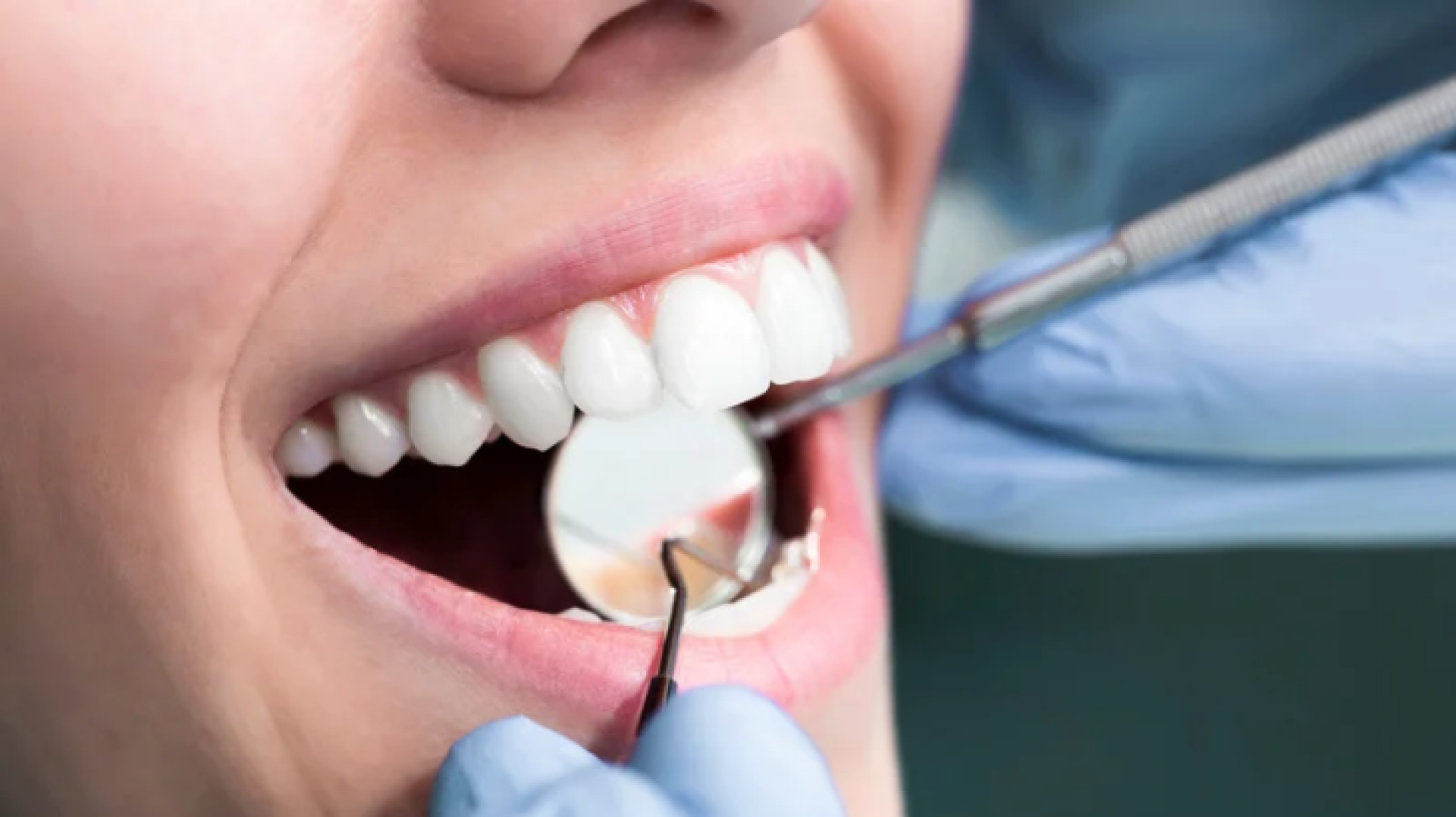
When it comes to how to treat gingivitis, treatment can generally be approached in stages depending on the severity of the condition. It may begin with improving brushing and flossing habits at home, followed by professional dental scaling when tartar is present, scaling and root planing when tartar has accumulated below the gumline, and periodontal surgery in more advanced cases involving significant bone loss. Early gingivitis can often be reversed with appropriate care, while advanced periodontal disease focuses on controlling the infection and preventing further tissue destruction.
Red, swollen gums, bleeding while brushing, and bad breath are common oral health concerns. The important question is: how to treat gingivitis correctly? Do you always need to visit a dental clinic, or can you manage it yourself?
The answer depends on how far the inflammation has progressed. Early gingivitis may improve with better brushing and flossing, but once tartar develops below the gumline and periodontal tissues or bone are affected, home care alone cannot remove the underlying deposits. This article explains the main approaches to gingivitis and periodontal treatment, what each method involves, how long recovery may take, whether it is painful, and which signs indicate that you should see a dentist.
Understand the Condition Before Treatment: What Is the Difference Between Gingivitis and Periodontal Disease?
Before deciding how to treat gingivitis, it is important to determine which stage of gum disease you have, because this affects both the treatment plan and the expected outcome.
The earliest stage is gingivitis, where inflammation is limited to the gums. Common symptoms include red or darker-than-usual gums, swelling, tenderness, and bleeding during brushing or flossing. At this stage, there is no loss of the supporting bone or periodontal attachment caused by the disease, and the condition can usually be reversed with appropriate treatment and oral hygiene.
The more advanced condition is periodontal disease (periodontitis). In this stage, inflammation affects the tissues supporting the teeth and can lead to periodontal pocket formation and bone loss. Possible symptoms include gum recession, persistent bad breath, pus around the gums, and loose teeth.
Bone that has already been lost does not normally grow back on its own. Therefore, how to treat gingivitis once it has progressed to periodontitis is different: the goal is to control the disease, reduce inflammation, prevent further damage, and preserve the teeth. This is why early treatment is so important.
Level 1: Improve Your Oral Hygiene at Home
For early gingivitis without significant tartar buildup, the most important part of how to treat gingivitis is consistent removal of dental plaque every day.
This may sound simple, but many people brush only the visible surfaces of their teeth while missing the gumline, inner surfaces, and areas between the teeth where plaque commonly accumulates.
One sign that your oral hygiene routine is improving is that gum bleeding gradually decreases. However, if your gums bleed during brushing, do not simply stop cleaning the area. Bleeding can be a sign of inflammation, meaning that the area needs better plaque control rather than less cleaning.
How to Brush and Floss Properly: Step by Step
Follow these steps in the morning and before bed. Brushing before bedtime is particularly important because saliva flow decreases while you sleep.
Choose a soft-bristled toothbrush with a small enough head to reach the back teeth comfortably. Replace it about every 3 months or when the bristles become worn.
Use fluoride toothpaste. Adults generally need only a small amount rather than covering the entire toothbrush head.
Hold the toothbrush at approximately a 45-degree angle toward the gumline, rather than placing it flat against the teeth.
Use small circular motions or short gentle strokes, cleaning about 2–3 teeth at a time. Avoid aggressive back-and-forth horizontal scrubbing.
Clean all tooth surfaces, including the outer surfaces, inner surfaces, and chewing surfaces. Pay particular attention to the inner surfaces of the lower front teeth, where tartar can accumulate readily.
Gently clean your tongue to help reduce bacteria and bad breath. Aim for about 2 minutes of brushing in total.
Floss once a day. Curve the floss into a C shape around each tooth and gently move it up and down along the side of the tooth near the gumline. Avoid snapping the floss directly into the gums.
If you have larger spaces between your teeth, gum recession, or orthodontic appliances, an interdental brush may be a useful addition.
You may use a warm salt-water rinse for temporary soothing, or an antimicrobial mouthwash if recommended by your dentist.
Warm Salt Water, Mouthwash, and Medication for Symptom Relief
Warm salt-water rinses may provide temporary relief for irritated or swollen gums and can help rinse away food debris. A commonly used mixture is about half a teaspoon of salt in a glass of warm water. Rinse gently for around 30 seconds and spit it out.
For some patients, a dentist may recommend chlorhexidine gluconate mouthwash, commonly at concentrations of 0.12% or 0.2%, for short-term use. It should be used according to professional instructions because prolonged use can cause tooth staining and temporary changes in taste. It should not be considered a replacement for brushing and interdental cleaning.
Pain relievers such as NSAIDs or paracetamol may help manage discomfort while waiting to see a dentist when appropriate for the individual. However, they only control symptoms and do not remove tartar or treat the underlying cause.
Antibiotics should not be self-prescribed for routine gingivitis. They are generally reserved for specific dental infections or situations where a dentist determines that systemic treatment is appropriate.
Level 2: Professional Dental Scaling — When Home Care Is No Longer Enough
When dental plaque remains on the teeth and mineralizes, it can become tartar (calculus), which cannot be removed effectively with a regular toothbrush.
At this stage, an important part of how to treat gingivitis is professional dental cleaning.
During scaling, a dentist or dental professional uses instruments such as ultrasonic scalers to remove tartar from the tooth surfaces. The teeth may then be polished to help leave the surfaces smoother and easier to keep clean.
The procedure varies depending on the amount of buildup and the condition of the gums. Many people experience some temporary sensitivity, particularly around inflamed gums or exposed tooth roots. Local anesthesia may be considered if the area is particularly sensitive.
After scaling, the gums may feel slightly tender and the teeth may be temporarily sensitive. Some bleeding can also occur when inflamed gums are cleaned. These symptoms generally improve as the inflammation settles.
Some people feel that their teeth look more spaced out after heavy tartar removal. This does not necessarily mean that the teeth have suddenly moved apart. In some cases, the apparent spaces were previously occupied by tartar or swollen gum tissue.
Level 3: Scaling and Root Planing When Tartar Is Below the Gums
If gum inflammation has progressed to periodontitis and periodontal pockets have developed, tartar may accumulate below the gumline where routine cleaning cannot adequately reach it.
In these cases, scaling and root planing (SRP) may be recommended.
The dentist typically uses local anesthesia before cleaning beneath the gumline and removing plaque, tartar, and bacterial deposits from the root surfaces. The root surfaces are then carefully instrumented to make them clean and smooth, helping the gums heal and allowing better daily plaque control.
Treatment may be divided into several appointments depending on the number of affected areas and the severity of the disease.
Some patients experience temporary sensitivity after treatment because previously covered root surfaces become exposed. Your dentist may also recommend specific desensitizing products or other supportive care.
A follow-up periodontal assessment is usually needed after healing to determine whether pocket depths and inflammation have improved and whether additional treatment is necessary.
Level 4: Periodontal Surgery and Gum Grafting
When periodontal pockets remain deep despite nonsurgical treatment, or when significant bone or gum tissue damage is present, periodontal surgery may be considered by a periodontist.
One approach is periodontal flap surgery, in which the gum tissue is carefully repositioned to allow better access to the root surfaces and affected areas. The area can then be thoroughly cleaned before the gums are repositioned and sutured.
In selected cases involving specific patterns of bone loss, regenerative procedures may be considered. These can include bone grafting or guided tissue regeneration to encourage the formation of supporting tissues in appropriate situations. Results depend on factors such as the shape and extent of the defect and the patient's overall oral health.
For significant gum recession, a gum graft may be an option. Tissue may be taken from another area of the mouth, such as the palate, and used to cover exposed root surfaces. This can help address sensitivity and, in selected cases, improve gum coverage and appearance.
These procedures require local anesthesia and careful postoperative care. Healing time varies according to the procedure and individual circumstances.
Treat Other Underlying Causes That Are Often Overlooked
Sometimes gingivitis continues to return because another underlying dental problem has not been addressed. A complete gingivitis treatment plan should therefore identify and manage these contributing factors.
A common example is tooth decay or a dental filling with an irregular or poorly fitting margin that allows food to become trapped repeatedly. Depending on the condition, the tooth may need a new dental filling.
A partially erupted wisdom tooth may also trap food and bacteria around the gum tissue. In these cases, an X-ray can help the dentist determine whether wisdom tooth removal is appropriate.
If a tooth is severely damaged and cannot be predictably restored, tooth extraction may be considered, followed by a plan to replace the missing tooth when appropriate to help maintain oral function and tooth alignment.
For patients undergoing orthodontic treatment, careful cleaning around brackets and wires is particularly important to reduce the risk of gum recession during braces treatment.
Comparison of Gingivitis and Periodontal Treatment Options
Treatment Level
Suitable For
What It Involves
Expected Goal
Home oral care
Mild gum redness, swelling, or bleeding without significant tartar
Proper brushing, interdental cleaning, and supportive rinses
Reduce inflammation and restore gum health
Professional scaling
Visible tartar, persistent bleeding, or plaque buildup
Removal of tartar above and around the gumline
Reduce plaque-retentive deposits and gum inflammation
Scaling and root planing
Periodontal pockets and tartar below the gumline
Deep cleaning of root surfaces under the gums
Control periodontal inflammation and reduce pocket depth
Periodontal surgery
Persistent deep pockets or significant periodontal tissue damage
Surgical access, cleaning, and selected regenerative procedures
Improve disease control and preserve supporting tissues
Gum grafting
Selected cases of significant gum recession
Transplanting gum tissue to the affected area
Improve root coverage and reduce sensitivity where appropriate
Pros and Cons of Each Treatment Approach
Home care has the advantage of being accessible, inexpensive, and essential at every stage of treatment. However, it has clear limitations: brushing and flossing can remove plaque, but they cannot remove hardened tartar.
Professional scaling and scaling and root planing directly address plaque and tartar deposits that cannot be removed effectively at home. They are important nonsurgical treatments for controlling gum inflammation and periodontal disease. Temporary sensitivity or gum tenderness can occur afterward.
Periodontal surgery can provide access to areas that cannot be adequately cleaned with nonsurgical treatment and may be appropriate for selected advanced cases. However, it involves a surgical procedure, requires a recovery period, and may have higher costs than routine dental cleaning.
The key principle is simple: treatment is generally easier when gum disease is detected early. Delaying treatment can allow inflammation and periodontal damage to progress.
How to Care for Your Gums After Treatment
Gingivitis and periodontal disease can recur if plaque control is not maintained. Regardless of which treatment you receive, consistent oral hygiene is essential for maintaining the results.
A good long-term routine includes:
Brush twice a day for approximately 2 minutes using fluoride toothpaste.
Clean between the teeth every day with floss or an interdental brush.
Drink enough water and limit frequent sugary foods and drinks.
Avoid smoking, which is an important risk factor for periodontal disease and can affect healing.
If you have diabetes, work with your healthcare team to keep your blood glucose appropriately controlled.
Attend regular dental examinations and professional cleanings as recommended.
Patients with a history of periodontitis may need periodontal maintenance visits more frequently than every 6 months, depending on their individual risk and dentist's recommendations.
Conclusion
How to treat gingivitis depends on how advanced the condition is.
Early gingivitis may improve with proper brushing and interdental cleaning. Once tartar has formed, professional dental scaling is needed because hardened deposits cannot be removed effectively at home. When periodontal pockets and subgingival deposits are present, scaling and root planing may be necessary. More advanced cases may require periodontal surgery, regenerative treatment, or gum grafting depending on the specific condition.
The most important point is that early gingivitis is often reversible, while periodontal tissue and bone that have already been lost may not naturally return to their original condition. Early assessment can therefore help reduce the risk of more complex treatment later.
If you are unsure about the severity of your gum inflammation or your symptoms keep returning despite improving your oral hygiene, a dental examination can provide a clearer answer. At Pasook Dental Clinic, the dental team can assess gum health, periodontal pocket depth, and supporting bone before developing a treatment plan appropriate for your condition—from professional scaling and root planing to referral to a periodontal specialist when necessary.
Frequently Asked Questions (FAQ)
1. Can gingivitis go away on its own?
Mild gingivitis caused primarily by plaque may improve when you consistently improve brushing and interdental cleaning. However, if tartar is present, it cannot be removed effectively with a toothbrush and professional dental cleaning may be necessary.
2. Does dental scaling hurt? Do I need local anesthesia?
Many people experience mild sensitivity during scaling, particularly around inflamed gums or sensitive teeth. Local anesthesia is not always necessary for routine scaling but may be considered when sensitivity is significant or when deeper cleaning is required.
3. How many appointments does gingivitis treatment take?
The number of appointments depends on the severity of the condition. Mild gingivitis may improve after professional cleaning combined with good home care. Periodontitis may require multiple appointments for scaling and root planing, followed by a reassessment. More advanced cases may require additional periodontal treatment.
4. Can receding gums grow back naturally?
Gum tissue that has receded generally does not grow back on its own. However, selected cases may be treated with gum grafting to improve root coverage and address sensitivity or aesthetic concerns.
5. How often should I have my teeth professionally cleaned?
The appropriate interval varies from person to person. Many people benefit from regular dental checkups and professional cleaning about every 6 months, while patients with periodontal disease or other risk factors may need more frequent maintenance visits based on their dentist's recommendation.
6. What should I do while waiting for a dental appointment?
Continue gently brushing with a soft-bristled toothbrush and cleaning between your teeth. A warm salt-water rinse may provide temporary relief. Avoid smoking and anything that significantly irritates the gums. Use pain medication only as directed and appropriate for you.
If you develop facial swelling, fever, pus, difficulty swallowing or breathing, or rapidly worsening pain or swelling, seek urgent dental or medical care rather than waiting for a routine appointment.
Red, swollen gums, bleeding while brushing, and bad breath are common oral health concerns. The important question is: how to treat gingivitis correctly? Do you always need to visit a dental clinic, or can you manage it yourself?
The answer depends on how far the inflammation has progressed. Early gingivitis may improve with better brushing and flossing, but once tartar develops below the gumline and periodontal tissues or bone are affected, home care alone cannot remove the underlying deposits. This article explains the main approaches to gingivitis and periodontal treatment, what each method involves, how long recovery may take, whether it is painful, and which signs indicate that you should see a dentist.
Understand the Condition Before Treatment: What Is the Difference Between Gingivitis and Periodontal Disease?
Before deciding how to treat gingivitis, it is important to determine which stage of gum disease you have, because this affects both the treatment plan and the expected outcome.
The earliest stage is gingivitis, where inflammation is limited to the gums. Common symptoms include red or darker-than-usual gums, swelling, tenderness, and bleeding during brushing or flossing. At this stage, there is no loss of the supporting bone or periodontal attachment caused by the disease, and the condition can usually be reversed with appropriate treatment and oral hygiene.
The more advanced condition is periodontal disease (periodontitis). In this stage, inflammation affects the tissues supporting the teeth and can lead to periodontal pocket formation and bone loss. Possible symptoms include gum recession, persistent bad breath, pus around the gums, and loose teeth.
Bone that has already been lost does not normally grow back on its own. Therefore, how to treat gingivitis once it has progressed to periodontitis is different: the goal is to control the disease, reduce inflammation, prevent further damage, and preserve the teeth. This is why early treatment is so important.
Level 1: Improve Your Oral Hygiene at Home
For early gingivitis without significant tartar buildup, the most important part of how to treat gingivitis is consistent removal of dental plaque every day.
This may sound simple, but many people brush only the visible surfaces of their teeth while missing the gumline, inner surfaces, and areas between the teeth where plaque commonly accumulates.
One sign that your oral hygiene routine is improving is that gum bleeding gradually decreases. However, if your gums bleed during brushing, do not simply stop cleaning the area. Bleeding can be a sign of inflammation, meaning that the area needs better plaque control rather than less cleaning.
How to Brush and Floss Properly: Step by Step
Follow these steps in the morning and before bed. Brushing before bedtime is particularly important because saliva flow decreases while you sleep.
Choose a soft-bristled toothbrush with a small enough head to reach the back teeth comfortably. Replace it about every 3 months or when the bristles become worn.
Use fluoride toothpaste. Adults generally need only a small amount rather than covering the entire toothbrush head.
Hold the toothbrush at approximately a 45-degree angle toward the gumline, rather than placing it flat against the teeth.
Use small circular motions or short gentle strokes, cleaning about 2–3 teeth at a time. Avoid aggressive back-and-forth horizontal scrubbing.
Clean all tooth surfaces, including the outer surfaces, inner surfaces, and chewing surfaces. Pay particular attention to the inner surfaces of the lower front teeth, where tartar can accumulate readily.
Gently clean your tongue to help reduce bacteria and bad breath. Aim for about 2 minutes of brushing in total.
Floss once a day. Curve the floss into a C shape around each tooth and gently move it up and down along the side of the tooth near the gumline. Avoid snapping the floss directly into the gums.
If you have larger spaces between your teeth, gum recession, or orthodontic appliances, an interdental brush may be a useful addition.
You may use a warm salt-water rinse for temporary soothing, or an antimicrobial mouthwash if recommended by your dentist.
Warm Salt Water, Mouthwash, and Medication for Symptom Relief
Warm salt-water rinses may provide temporary relief for irritated or swollen gums and can help rinse away food debris. A commonly used mixture is about half a teaspoon of salt in a glass of warm water. Rinse gently for around 30 seconds and spit it out.
For some patients, a dentist may recommend chlorhexidine gluconate mouthwash, commonly at concentrations of 0.12% or 0.2%, for short-term use. It should be used according to professional instructions because prolonged use can cause tooth staining and temporary changes in taste. It should not be considered a replacement for brushing and interdental cleaning.
Pain relievers such as NSAIDs or paracetamol may help manage discomfort while waiting to see a dentist when appropriate for the individual. However, they only control symptoms and do not remove tartar or treat the underlying cause.
Antibiotics should not be self-prescribed for routine gingivitis. They are generally reserved for specific dental infections or situations where a dentist determines that systemic treatment is appropriate.
Level 2: Professional Dental Scaling — When Home Care Is No Longer Enough
When dental plaque remains on the teeth and mineralizes, it can become tartar (calculus), which cannot be removed effectively with a regular toothbrush.
At this stage, an important part of how to treat gingivitis is professional dental cleaning.
During scaling, a dentist or dental professional uses instruments such as ultrasonic scalers to remove tartar from the tooth surfaces. The teeth may then be polished to help leave the surfaces smoother and easier to keep clean.
The procedure varies depending on the amount of buildup and the condition of the gums. Many people experience some temporary sensitivity, particularly around inflamed gums or exposed tooth roots. Local anesthesia may be considered if the area is particularly sensitive.
After scaling, the gums may feel slightly tender and the teeth may be temporarily sensitive. Some bleeding can also occur when inflamed gums are cleaned. These symptoms generally improve as the inflammation settles.
Some people feel that their teeth look more spaced out after heavy tartar removal. This does not necessarily mean that the teeth have suddenly moved apart. In some cases, the apparent spaces were previously occupied by tartar or swollen gum tissue.
Level 3: Scaling and Root Planing When Tartar Is Below the Gums
If gum inflammation has progressed to periodontitis and periodontal pockets have developed, tartar may accumulate below the gumline where routine cleaning cannot adequately reach it.
In these cases, scaling and root planing (SRP) may be recommended.
The dentist typically uses local anesthesia before cleaning beneath the gumline and removing plaque, tartar, and bacterial deposits from the root surfaces. The root surfaces are then carefully instrumented to make them clean and smooth, helping the gums heal and allowing better daily plaque control.
Treatment may be divided into several appointments depending on the number of affected areas and the severity of the disease.
Some patients experience temporary sensitivity after treatment because previously covered root surfaces become exposed. Your dentist may also recommend specific desensitizing products or other supportive care.
A follow-up periodontal assessment is usually needed after healing to determine whether pocket depths and inflammation have improved and whether additional treatment is necessary.
Level 4: Periodontal Surgery and Gum Grafting
When periodontal pockets remain deep despite nonsurgical treatment, or when significant bone or gum tissue damage is present, periodontal surgery may be considered by a periodontist.
One approach is periodontal flap surgery, in which the gum tissue is carefully repositioned to allow better access to the root surfaces and affected areas. The area can then be thoroughly cleaned before the gums are repositioned and sutured.
In selected cases involving specific patterns of bone loss, regenerative procedures may be considered. These can include bone grafting or guided tissue regeneration to encourage the formation of supporting tissues in appropriate situations. Results depend on factors such as the shape and extent of the defect and the patient's overall oral health.
For significant gum recession, a gum graft may be an option. Tissue may be taken from another area of the mouth, such as the palate, and used to cover exposed root surfaces. This can help address sensitivity and, in selected cases, improve gum coverage and appearance.
These procedures require local anesthesia and careful postoperative care. Healing time varies according to the procedure and individual circumstances.
Treat Other Underlying Causes That Are Often Overlooked
Sometimes gingivitis continues to return because another underlying dental problem has not been addressed. A complete gingivitis treatment plan should therefore identify and manage these contributing factors.
A common example is tooth decay or a dental filling with an irregular or poorly fitting margin that allows food to become trapped repeatedly. Depending on the condition, the tooth may need a new dental filling.
A partially erupted wisdom tooth may also trap food and bacteria around the gum tissue. In these cases, an X-ray can help the dentist determine whether wisdom tooth removal is appropriate.
If a tooth is severely damaged and cannot be predictably restored, tooth extraction may be considered, followed by a plan to replace the missing tooth when appropriate to help maintain oral function and tooth alignment.
For patients undergoing orthodontic treatment, careful cleaning around brackets and wires is particularly important to reduce the risk of gum recession during braces treatment.
Comparison of Gingivitis and Periodontal Treatment Options
Treatment Level
Suitable For
What It Involves
Expected Goal
Home oral care
Mild gum redness, swelling, or bleeding without significant tartar
Proper brushing, interdental cleaning, and supportive rinses
Reduce inflammation and restore gum health
Professional scaling
Visible tartar, persistent bleeding, or plaque buildup
Removal of tartar above and around the gumline
Reduce plaque-retentive deposits and gum inflammation
Scaling and root planing
Periodontal pockets and tartar below the gumline
Deep cleaning of root surfaces under the gums
Control periodontal inflammation and reduce pocket depth
Periodontal surgery
Persistent deep pockets or significant periodontal tissue damage
Surgical access, cleaning, and selected regenerative procedures
Improve disease control and preserve supporting tissues
Gum grafting
Selected cases of significant gum recession
Transplanting gum tissue to the affected area
Improve root coverage and reduce sensitivity where appropriate
Pros and Cons of Each Treatment Approach
Home care has the advantage of being accessible, inexpensive, and essential at every stage of treatment. However, it has clear limitations: brushing and flossing can remove plaque, but they cannot remove hardened tartar.
Professional scaling and scaling and root planing directly address plaque and tartar deposits that cannot be removed effectively at home. They are important nonsurgical treatments for controlling gum inflammation and periodontal disease. Temporary sensitivity or gum tenderness can occur afterward.
Periodontal surgery can provide access to areas that cannot be adequately cleaned with nonsurgical treatment and may be appropriate for selected advanced cases. However, it involves a surgical procedure, requires a recovery period, and may have higher costs than routine dental cleaning.
The key principle is simple: treatment is generally easier when gum disease is detected early. Delaying treatment can allow inflammation and periodontal damage to progress.
How to Care for Your Gums After Treatment
Gingivitis and periodontal disease can recur if plaque control is not maintained. Regardless of which treatment you receive, consistent oral hygiene is essential for maintaining the results.
A good long-term routine includes:
Brush twice a day for approximately 2 minutes using fluoride toothpaste.
Clean between the teeth every day with floss or an interdental brush.
Drink enough water and limit frequent sugary foods and drinks.
Avoid smoking, which is an important risk factor for periodontal disease and can affect healing.
If you have diabetes, work with your healthcare team to keep your blood glucose appropriately controlled.
Attend regular dental examinations and professional cleanings as recommended.
Patients with a history of periodontitis may need periodontal maintenance visits more frequently than every 6 months, depending on their individual risk and dentist's recommendations.
Conclusion
How to treat gingivitis depends on how advanced the condition is.
Early gingivitis may improve with proper brushing and interdental cleaning. Once tartar has formed, professional dental scaling is needed because hardened deposits cannot be removed effectively at home. When periodontal pockets and subgingival deposits are present, scaling and root planing may be necessary. More advanced cases may require periodontal surgery, regenerative treatment, or gum grafting depending on the specific condition.
The most important point is that early gingivitis is often reversible, while periodontal tissue and bone that have already been lost may not naturally return to their original condition. Early assessment can therefore help reduce the risk of more complex treatment later.
If you are unsure about the severity of your gum inflammation or your symptoms keep returning despite improving your oral hygiene, a dental examination can provide a clearer answer. At Pasook Dental Clinic, the dental team can assess gum health, periodontal pocket depth, and supporting bone before developing a treatment plan appropriate for your condition—from professional scaling and root planing to referral to a periodontal specialist when necessary.
Frequently Asked Questions (FAQ)
1. Can gingivitis go away on its own?
Mild gingivitis caused primarily by plaque may improve when you consistently improve brushing and interdental cleaning. However, if tartar is present, it cannot be removed effectively with a toothbrush and professional dental cleaning may be necessary.
2. Does dental scaling hurt? Do I need local anesthesia?
Many people experience mild sensitivity during scaling, particularly around inflamed gums or sensitive teeth. Local anesthesia is not always necessary for routine scaling but may be considered when sensitivity is significant or when deeper cleaning is required.
3. How many appointments does gingivitis treatment take?
The number of appointments depends on the severity of the condition. Mild gingivitis may improve after professional cleaning combined with good home care. Periodontitis may require multiple appointments for scaling and root planing, followed by a reassessment. More advanced cases may require additional periodontal treatment.
4. Can receding gums grow back naturally?
Gum tissue that has receded generally does not grow back on its own. However, selected cases may be treated with gum grafting to improve root coverage and address sensitivity or aesthetic concerns.
5. How often should I have my teeth professionally cleaned?
The appropriate interval varies from person to person. Many people benefit from regular dental checkups and professional cleaning about every 6 months, while patients with periodontal disease or other risk factors may need more frequent maintenance visits based on their dentist's recommendation.
6. What should I do while waiting for a dental appointment?
Continue gently brushing with a soft-bristled toothbrush and cleaning between your teeth. A warm salt-water rinse may provide temporary relief. Avoid smoking and anything that significantly irritates the gums. Use pain medication only as directed and appropriate for you.
If you develop facial swelling, fever, pus, difficulty swallowing or breathing, or rapidly worsening pain or swelling, seek urgent dental or medical care rather than waiting for a routine appointment.
Related Content

Root canal treatment is more than just saving a tooth it’s about preserving your long-term oral health.

Discover why receding gums can occur after orthodontic treatment. Learn about the causes, prevention methods, and professional treatment options recommended by dentists.

wisdom tooth surgery cost, wisdom tooth removal price, wisdom tooth treatment expenses, wisdom tooth extraction cost, dental care