What Medication Is Good for Gingivitis? How Dangerous Is It to Leave It Untreated?
Last updated: 26 Sept 2026
57 Views
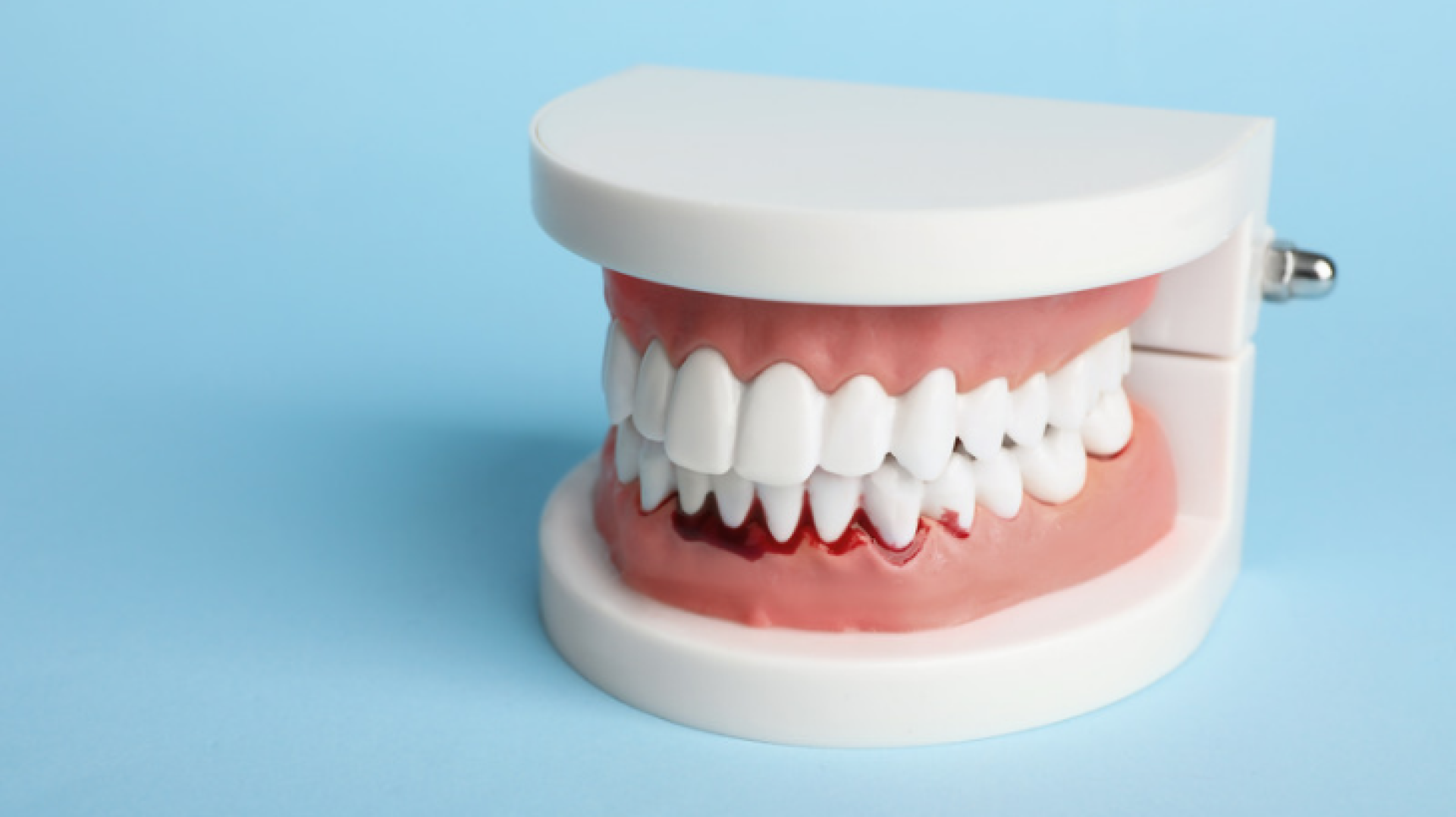
What medication is good for gingivitis? Pain relievers and anti-inflammatory medicines such as ibuprofen or paracetamol can help relieve discomfort, while antiseptic mouthwash and gum gels may provide additional support. However, antibiotics should only be prescribed by a dentist when they are clinically indicated. Medication can help control symptoms, but it does not remove tartar, which may be an underlying cause of gum inflammation.
When the gums become red, swollen, tender, or start bleeding during brushing, one of the first questions people ask is: what medication is good for gingivitis? Many people want something that will make the symptoms go away as quickly as possible because gum pain can interfere with eating and sleeping.
There are several types of products that may help, including pain relievers, anti-inflammatory medicines, antiseptic mouthwash, and topical gum products. However, before deciding what medication is good for gingivitis, it is important to understand that medication mainly helps control pain, inflammation, or bacterial levels. It cannot remove hardened tartar or treat problems such as deep tooth decay or periodontal pockets.
This article explains how different medication options work, when they may be appropriate, which medicines should not be self-prescribed, and what can happen if gingivitis is repeatedly treated with medication without addressing the underlying cause.
What Is Gingivitis and Why Isn’t Medication the Only Answer?
Gingivitis is inflammation of the gum tissue, most commonly associated with plaque buildup along the gumline. The body's immune response to bacteria can cause the gums to become red, swollen, and more likely to bleed.
At this early stage, the tissues supporting the teeth have not necessarily been permanently damaged, and gingivitis can often be reversed with effective plaque control and professional dental care.
The reason there is no single answer to what medication is good for gingivitis is that the source of inflammation may be a physical buildup of plaque and tartar on the teeth. Medication cannot dissolve or remove hardened tartar.
In other words, medication may temporarily control the symptoms, but if plaque and tartar remain, the inflammation can return after the medication is stopped. Treating the underlying cause is therefore an essential part of managing gingivitis.
What Medication Is Good for Gingivitis? NSAID Pain Relievers
When people ask what medication is good for gingivitis, one option for short-term pain relief is a nonsteroidal anti-inflammatory drug (NSAID), such as ibuprofen or naproxen.
NSAIDs work by reducing the production of substances involved in pain and inflammation. As a result, they may help reduce gum pain and inflammation.
If you use an over-the-counter NSAID, follow the dosage instructions on the package or the advice of a pharmacist. Avoid taking more than recommended or using it for an extended period without medical advice.
People with a history of stomach ulcers or gastrointestinal bleeding, kidney disease, certain heart conditions, uncontrolled high blood pressure, or those taking blood-thinning medication should consult a healthcare professional before using NSAIDs. Pregnant individuals should also seek medical advice before taking NSAIDs, particularly later in pregnancy.
Paracetamol: An Alternative for Pain Relief
Paracetamol (acetaminophen) is another common option for temporary pain relief. Unlike NSAIDs, it does not have the same anti-inflammatory effect, but it can help reduce pain and fever.
When considering what medication is good for gingivitis, paracetamol may be an option for people who cannot take NSAIDs. Always follow the dosage instructions on the product label and avoid exceeding the recommended daily dose.
Taking too much paracetamol can cause serious liver damage. People with liver disease or those who regularly consume alcohol should consult a healthcare professional before using it.
It is also important to check combination cold, flu, or pain medicines, as some may already contain paracetamol. Taking multiple products containing the same ingredient can result in an accidental overdose.
Antibiotics: When Are They Necessary and Why Shouldn’t You Self-Medicate?
A common misconception is that the answer to what medication is good for gingivitis is always antibiotics. In reality, uncomplicated gingivitis generally does not require systemic antibiotics.
Antibiotics may be considered when there is a bacterial infection with signs of systemic involvement or significant spreading infection, depending on the clinical diagnosis. Examples may include facial swelling, fever, or other signs that require professional assessment.
Dentists may prescribe antibiotics such as amoxicillin or metronidazole in selected situations. The appropriate medication, dosage, and duration depend on the type and severity of infection, allergies, medical history, and other individual factors.
Clindamycin is no longer routinely preferred for many dental infections because of its risk of serious adverse effects, including C. difficile infection. If an antibiotic is needed, the dentist should select the most appropriate option for the individual patient.
Do not buy or take antibiotics without professional advice. Unnecessary or inappropriate antibiotic use can contribute to antibiotic resistance and may temporarily suppress symptoms without eliminating the underlying dental problem.
Antiseptic Mouthwash and Gum Gels
Besides oral medication, another common question is whether topical products can help when asking what medication is good for gingivitis.
Mouthwash containing chlorhexidine may be recommended by a dentist for short-term management of plaque and gingival inflammation in certain situations. It can help reduce bacterial levels in the mouth when used as directed.
However, chlorhexidine is generally intended for short-term use rather than long-term daily use without professional supervision. Prolonged use can cause tooth or tongue staining, changes in taste, and other side effects.
If chlorhexidine is prescribed or recommended, follow the dentist's instructions carefully. It is also commonly advised to separate chlorhexidine use from toothbrushing because some toothpaste ingredients can interfere with its activity.
Topical gum gels may also provide temporary relief, depending on their ingredients. Some contain local anesthetic or other ingredients designed to soothe irritated tissue. These products should be used according to their instructions and should not be considered a substitute for professional treatment.
Warm salt-water rinses are another simple supportive option that may help soothe irritated gums and wash away food debris.
Special Toothpaste and Vitamin Supplements: Do They Really Help?
Some toothpastes are formulated to help control plaque and support gum health. Ingredients such as stannous fluoride may provide additional benefits for plaque and gingival health when used as part of a consistent oral hygiene routine.
However, changing toothpaste alone is unlikely to resolve gingivitis if plaque remains around the gumline or between the teeth. Proper brushing and interdental cleaning remain essential.
Vitamin C and B vitamins are important for general health and normal tissue function. Supplements may be beneficial when a person has a documented nutritional deficiency, but taking additional vitamins does not necessarily make gingivitis resolve faster in someone who already has an adequate diet.
These products should therefore be viewed as supportive measures rather than the primary answer to what medication is good for gingivitis.
Comparison Table: Medication Options for Gingivitis
Medication / Product
What It Helps With
Can It Be Used Without a Prescription?
Important Precautions
NSAIDs such as ibuprofen
Pain and inflammation
Some are available OTC
May irritate the stomach and affect the kidneys; certain people should avoid them
Paracetamol (acetaminophen)
Pain and fever
Yes, in many countries
Do not exceed the recommended dose; excessive use can damage the liver
Antibiotics
Certain bacterial infections when clinically indicated
Usually prescription-only
Should only be used when prescribed; inappropriate use contributes to antibiotic resistance
Chlorhexidine mouthwash
Reducing oral bacteria and plaque
Availability varies
Generally for short-term use; may cause staining and taste changes
Topical gum gel
Temporary localized discomfort
Depends on the product
Use as directed; does not treat the underlying cause
Warm salt-water rinse
Temporary soothing and cleansing
Yes
Supportive care only; does not remove tartar or treat deep infection
How to Use Medication Safely: A Step-by-Step Approach
Using medication safely is not simply a matter of choosing a product from the medicine cabinet. Consider the following steps:
Assess the severity of your symptoms. If you have fever, significant swelling, pus, facial swelling, difficulty swallowing, or difficulty breathing, seek urgent dental or medical care rather than trying to treat the condition yourself.
Improve oral hygiene first. Continue brushing gently with a soft-bristled toothbrush and clean between the teeth carefully. Removing plaque is a key part of treating gingivitis.
Try supportive care. Warm salt-water rinses may help soothe irritated gums and remove food debris.
Choose an appropriate pain reliever if needed. Follow the product label and consider your medical history before taking an NSAID or paracetamol.
Do not exceed the recommended dose. Taking more medication does not necessarily make symptoms resolve faster and may cause serious side effects.
Use chlorhexidine only as directed. If recommended by your dentist, follow the specified frequency and duration rather than using it indefinitely.
Seek dental care if symptoms persist. If the gums do not improve within several days, repeatedly become inflamed, or become more painful, arrange a dental examination.
Tell your dentist about all medications you take. Include prescription medicines, over-the-counter products, vitamins, supplements, and herbal products.
Who Should Be Especially Careful Before Taking Medication?
Not everyone can safely take the same medication. The following groups should seek advice from a doctor, dentist, or pharmacist before choosing medication for gingivitis:
Pregnant or breastfeeding individuals: Medication choices should be discussed with a healthcare professional. NSAIDs require particular caution during pregnancy, especially later in pregnancy.
People with stomach ulcers or gastrointestinal problems: NSAIDs may increase the risk of stomach irritation or bleeding.
People with kidney disease, heart disease, or uncontrolled high blood pressure: NSAIDs may not be appropriate.
People taking anticoagulants or antiplatelet medication: Some pain relievers can increase bleeding risk.
People with diabetes: Good blood glucose control is important because diabetes can increase the risk of periodontal problems and affect healing.
People with medication allergies: Always tell your dentist and pharmacist about previous drug allergies.
Children: Medication doses must be appropriate for the child's age and weight. Aspirin should not be given to children or teenagers for viral illnesses because of the risk of Reye's syndrome.
How Dangerous Is It to Leave Gingivitis Untreated?
This is an important point that many people underestimate.
Early gingivitis may cause relatively little pain, so some people take pain medication whenever symptoms appear and then stop paying attention once the discomfort improves. However, if plaque and tartar remain, inflammation can continue.
In some people, untreated gingivitis can progress to periodontitis, a more advanced form of gum disease that affects the tissues and bone supporting the teeth. Periodontitis can lead to periodontal pockets, gum recession, bad breath, and tooth mobility.
As the condition progresses, teeth may eventually become severely compromised and require tooth extraction. Losing a tooth can also allow neighboring teeth to shift or tilt into the space, potentially contributing to tilted teeth.
Periodontal disease is also associated with several systemic health conditions, including diabetes. However, these relationships are complex, and periodontal disease should not be assumed to directly cause cardiovascular disease in every individual.
The key message is simple: reducing pain does not necessarily mean the underlying gum disease has been treated.
Signs That Medication Is Not Enough
Knowing when to stop self-care and see a dentist is important. You should arrange a dental examination if you experience any of the following:
Symptoms do not improve after several days of appropriate home care
Pus or persistent discharge from the gums
A persistent bad taste or foul odor
Fever, chills, or swollen and tender lymph nodes
Swelling that spreads to the cheek, jaw, neck, or area around the eye
Difficulty swallowing, speaking, or opening your mouth
Difficulty breathing, which requires emergency medical attention
Spontaneous gum bleeding or bleeding that does not stop with gentle pressure
Loose teeth, noticeable gum recession, or changes in your bite
Repeatedly needing pain medication to control gum symptoms
What Can a Dentist Do That Medication Cannot?
One of the most important things a dentist can do is identify and treat the underlying cause rather than simply controlling symptoms.
A dental examination may include checking the gums, measuring periodontal pocket depth, and taking X-rays when appropriate. These assessments can help determine whether the problem is simple gingivitis or whether periodontal disease or another dental condition is present.
Professional dental cleaning can remove plaque and tartar above the gumline. When periodontal pockets and deposits below the gumline are present, deeper periodontal cleaning, such as scaling and root planing, may be recommended.
If the inflammation is caused by tooth decay or a defective filling, the tooth may require treatment such as a dental filling.
If a wisdom tooth is contributing to recurrent gum inflammation, the dentist can assess whether wisdom tooth removal is appropriate.
For patients undergoing orthodontic treatment, proper evaluation and oral hygiene can also help reduce the risk of gum recession after braces.
Conclusion
So, what medication is good for gingivitis? Depending on your health and symptoms, over-the-counter pain relievers such as NSAIDs or paracetamol may provide short-term relief. Chlorhexidine mouthwash or topical gum products may also be recommended in certain situations.
However, antibiotics are not necessary for most cases of simple gingivitis and should only be used when prescribed by a healthcare professional. More importantly, medication does not remove plaque and tartar, repair tooth decay, or treat periodontal pockets.
If your gums remain swollen, repeatedly become inflamed, bleed frequently, or develop pus, it is better to see a dentist rather than continuing to take medication on your own.
At Pasook Dental Clinic, dentists can evaluate your gums, measure periodontal pockets, and use dental X-rays when appropriate to identify the underlying cause. Treatment can then be planned according to the severity of the condition, from professional dental cleaning to periodontal treatment when necessary.
Frequently Asked Questions (FAQ)
1. Can I take an anti-inflammatory medicine for gingivitis on my own?
Some over-the-counter NSAIDs may provide short-term relief when used according to the product instructions. However, they are not suitable for everyone. People with certain stomach, kidney, heart, or bleeding conditions, as well as those who are pregnant or taking certain medications, should seek professional advice first.
If symptoms persist for several days, see a dentist rather than continuing to rely on pain medication.
2. If my gums stop swelling after taking medication, am I cured?
Not necessarily. Medication may reduce pain or inflammation temporarily, but it does not remove plaque and tartar or treat an underlying dental infection.
If the underlying cause remains, symptoms may return after the medication wears off. Professional cleaning and appropriate dental treatment may be necessary.
3. Do I need antibiotics every time I have gingivitis?
No. Most uncomplicated cases of gingivitis do not require systemic antibiotics.
Antibiotics may be prescribed when a dentist diagnoses an infection where antibiotics are clinically indicated, particularly when there are signs of spreading infection or systemic involvement.
4. Can mouthwash replace brushing?
No. Mouthwash can provide additional bacterial control, but it does not replace mechanical plaque removal with a toothbrush and interdental cleaning.
Chlorhexidine mouthwash, in particular, should generally be used for a limited period and according to professional advice because prolonged use may cause tooth staining and temporary taste changes.
5. What medication can pregnant women take for gingivitis?
Medication during pregnancy should be discussed with a doctor, dentist, or pharmacist. Paracetamol is commonly considered an appropriate pain-relief option during pregnancy when used at the recommended dose, while NSAIDs require particular caution and are generally avoided later in pregnancy.
The safest approach is to have the cause of the gum inflammation assessed rather than relying on medication alone.
6. What should I do if my gingivitis does not improve after taking medication?
If your gums remain swollen or painful after several days, or the symptoms keep returning, arrange a dental examination.
The problem may be related to tartar below the gumline, periodontal disease, deep tooth decay, a dental abscess, or a wisdom tooth. An examination and, when appropriate, dental X-rays can help identify the cause and determine the right treatment.
When the gums become red, swollen, tender, or start bleeding during brushing, one of the first questions people ask is: what medication is good for gingivitis? Many people want something that will make the symptoms go away as quickly as possible because gum pain can interfere with eating and sleeping.
There are several types of products that may help, including pain relievers, anti-inflammatory medicines, antiseptic mouthwash, and topical gum products. However, before deciding what medication is good for gingivitis, it is important to understand that medication mainly helps control pain, inflammation, or bacterial levels. It cannot remove hardened tartar or treat problems such as deep tooth decay or periodontal pockets.
This article explains how different medication options work, when they may be appropriate, which medicines should not be self-prescribed, and what can happen if gingivitis is repeatedly treated with medication without addressing the underlying cause.
What Is Gingivitis and Why Isn’t Medication the Only Answer?
Gingivitis is inflammation of the gum tissue, most commonly associated with plaque buildup along the gumline. The body's immune response to bacteria can cause the gums to become red, swollen, and more likely to bleed.
At this early stage, the tissues supporting the teeth have not necessarily been permanently damaged, and gingivitis can often be reversed with effective plaque control and professional dental care.
The reason there is no single answer to what medication is good for gingivitis is that the source of inflammation may be a physical buildup of plaque and tartar on the teeth. Medication cannot dissolve or remove hardened tartar.
In other words, medication may temporarily control the symptoms, but if plaque and tartar remain, the inflammation can return after the medication is stopped. Treating the underlying cause is therefore an essential part of managing gingivitis.
What Medication Is Good for Gingivitis? NSAID Pain Relievers
When people ask what medication is good for gingivitis, one option for short-term pain relief is a nonsteroidal anti-inflammatory drug (NSAID), such as ibuprofen or naproxen.
NSAIDs work by reducing the production of substances involved in pain and inflammation. As a result, they may help reduce gum pain and inflammation.
If you use an over-the-counter NSAID, follow the dosage instructions on the package or the advice of a pharmacist. Avoid taking more than recommended or using it for an extended period without medical advice.
People with a history of stomach ulcers or gastrointestinal bleeding, kidney disease, certain heart conditions, uncontrolled high blood pressure, or those taking blood-thinning medication should consult a healthcare professional before using NSAIDs. Pregnant individuals should also seek medical advice before taking NSAIDs, particularly later in pregnancy.
Paracetamol: An Alternative for Pain Relief
Paracetamol (acetaminophen) is another common option for temporary pain relief. Unlike NSAIDs, it does not have the same anti-inflammatory effect, but it can help reduce pain and fever.
When considering what medication is good for gingivitis, paracetamol may be an option for people who cannot take NSAIDs. Always follow the dosage instructions on the product label and avoid exceeding the recommended daily dose.
Taking too much paracetamol can cause serious liver damage. People with liver disease or those who regularly consume alcohol should consult a healthcare professional before using it.
It is also important to check combination cold, flu, or pain medicines, as some may already contain paracetamol. Taking multiple products containing the same ingredient can result in an accidental overdose.
Antibiotics: When Are They Necessary and Why Shouldn’t You Self-Medicate?
A common misconception is that the answer to what medication is good for gingivitis is always antibiotics. In reality, uncomplicated gingivitis generally does not require systemic antibiotics.
Antibiotics may be considered when there is a bacterial infection with signs of systemic involvement or significant spreading infection, depending on the clinical diagnosis. Examples may include facial swelling, fever, or other signs that require professional assessment.
Dentists may prescribe antibiotics such as amoxicillin or metronidazole in selected situations. The appropriate medication, dosage, and duration depend on the type and severity of infection, allergies, medical history, and other individual factors.
Clindamycin is no longer routinely preferred for many dental infections because of its risk of serious adverse effects, including C. difficile infection. If an antibiotic is needed, the dentist should select the most appropriate option for the individual patient.
Do not buy or take antibiotics without professional advice. Unnecessary or inappropriate antibiotic use can contribute to antibiotic resistance and may temporarily suppress symptoms without eliminating the underlying dental problem.
Antiseptic Mouthwash and Gum Gels
Besides oral medication, another common question is whether topical products can help when asking what medication is good for gingivitis.
Mouthwash containing chlorhexidine may be recommended by a dentist for short-term management of plaque and gingival inflammation in certain situations. It can help reduce bacterial levels in the mouth when used as directed.
However, chlorhexidine is generally intended for short-term use rather than long-term daily use without professional supervision. Prolonged use can cause tooth or tongue staining, changes in taste, and other side effects.
If chlorhexidine is prescribed or recommended, follow the dentist's instructions carefully. It is also commonly advised to separate chlorhexidine use from toothbrushing because some toothpaste ingredients can interfere with its activity.
Topical gum gels may also provide temporary relief, depending on their ingredients. Some contain local anesthetic or other ingredients designed to soothe irritated tissue. These products should be used according to their instructions and should not be considered a substitute for professional treatment.
Warm salt-water rinses are another simple supportive option that may help soothe irritated gums and wash away food debris.
Special Toothpaste and Vitamin Supplements: Do They Really Help?
Some toothpastes are formulated to help control plaque and support gum health. Ingredients such as stannous fluoride may provide additional benefits for plaque and gingival health when used as part of a consistent oral hygiene routine.
However, changing toothpaste alone is unlikely to resolve gingivitis if plaque remains around the gumline or between the teeth. Proper brushing and interdental cleaning remain essential.
Vitamin C and B vitamins are important for general health and normal tissue function. Supplements may be beneficial when a person has a documented nutritional deficiency, but taking additional vitamins does not necessarily make gingivitis resolve faster in someone who already has an adequate diet.
These products should therefore be viewed as supportive measures rather than the primary answer to what medication is good for gingivitis.
Comparison Table: Medication Options for Gingivitis
Medication / Product
What It Helps With
Can It Be Used Without a Prescription?
Important Precautions
NSAIDs such as ibuprofen
Pain and inflammation
Some are available OTC
May irritate the stomach and affect the kidneys; certain people should avoid them
Paracetamol (acetaminophen)
Pain and fever
Yes, in many countries
Do not exceed the recommended dose; excessive use can damage the liver
Antibiotics
Certain bacterial infections when clinically indicated
Usually prescription-only
Should only be used when prescribed; inappropriate use contributes to antibiotic resistance
Chlorhexidine mouthwash
Reducing oral bacteria and plaque
Availability varies
Generally for short-term use; may cause staining and taste changes
Topical gum gel
Temporary localized discomfort
Depends on the product
Use as directed; does not treat the underlying cause
Warm salt-water rinse
Temporary soothing and cleansing
Yes
Supportive care only; does not remove tartar or treat deep infection
How to Use Medication Safely: A Step-by-Step Approach
Using medication safely is not simply a matter of choosing a product from the medicine cabinet. Consider the following steps:
Assess the severity of your symptoms. If you have fever, significant swelling, pus, facial swelling, difficulty swallowing, or difficulty breathing, seek urgent dental or medical care rather than trying to treat the condition yourself.
Improve oral hygiene first. Continue brushing gently with a soft-bristled toothbrush and clean between the teeth carefully. Removing plaque is a key part of treating gingivitis.
Try supportive care. Warm salt-water rinses may help soothe irritated gums and remove food debris.
Choose an appropriate pain reliever if needed. Follow the product label and consider your medical history before taking an NSAID or paracetamol.
Do not exceed the recommended dose. Taking more medication does not necessarily make symptoms resolve faster and may cause serious side effects.
Use chlorhexidine only as directed. If recommended by your dentist, follow the specified frequency and duration rather than using it indefinitely.
Seek dental care if symptoms persist. If the gums do not improve within several days, repeatedly become inflamed, or become more painful, arrange a dental examination.
Tell your dentist about all medications you take. Include prescription medicines, over-the-counter products, vitamins, supplements, and herbal products.
Who Should Be Especially Careful Before Taking Medication?
Not everyone can safely take the same medication. The following groups should seek advice from a doctor, dentist, or pharmacist before choosing medication for gingivitis:
Pregnant or breastfeeding individuals: Medication choices should be discussed with a healthcare professional. NSAIDs require particular caution during pregnancy, especially later in pregnancy.
People with stomach ulcers or gastrointestinal problems: NSAIDs may increase the risk of stomach irritation or bleeding.
People with kidney disease, heart disease, or uncontrolled high blood pressure: NSAIDs may not be appropriate.
People taking anticoagulants or antiplatelet medication: Some pain relievers can increase bleeding risk.
People with diabetes: Good blood glucose control is important because diabetes can increase the risk of periodontal problems and affect healing.
People with medication allergies: Always tell your dentist and pharmacist about previous drug allergies.
Children: Medication doses must be appropriate for the child's age and weight. Aspirin should not be given to children or teenagers for viral illnesses because of the risk of Reye's syndrome.
How Dangerous Is It to Leave Gingivitis Untreated?
This is an important point that many people underestimate.
Early gingivitis may cause relatively little pain, so some people take pain medication whenever symptoms appear and then stop paying attention once the discomfort improves. However, if plaque and tartar remain, inflammation can continue.
In some people, untreated gingivitis can progress to periodontitis, a more advanced form of gum disease that affects the tissues and bone supporting the teeth. Periodontitis can lead to periodontal pockets, gum recession, bad breath, and tooth mobility.
As the condition progresses, teeth may eventually become severely compromised and require tooth extraction. Losing a tooth can also allow neighboring teeth to shift or tilt into the space, potentially contributing to tilted teeth.
Periodontal disease is also associated with several systemic health conditions, including diabetes. However, these relationships are complex, and periodontal disease should not be assumed to directly cause cardiovascular disease in every individual.
The key message is simple: reducing pain does not necessarily mean the underlying gum disease has been treated.
Signs That Medication Is Not Enough
Knowing when to stop self-care and see a dentist is important. You should arrange a dental examination if you experience any of the following:
Symptoms do not improve after several days of appropriate home care
Pus or persistent discharge from the gums
A persistent bad taste or foul odor
Fever, chills, or swollen and tender lymph nodes
Swelling that spreads to the cheek, jaw, neck, or area around the eye
Difficulty swallowing, speaking, or opening your mouth
Difficulty breathing, which requires emergency medical attention
Spontaneous gum bleeding or bleeding that does not stop with gentle pressure
Loose teeth, noticeable gum recession, or changes in your bite
Repeatedly needing pain medication to control gum symptoms
What Can a Dentist Do That Medication Cannot?
One of the most important things a dentist can do is identify and treat the underlying cause rather than simply controlling symptoms.
A dental examination may include checking the gums, measuring periodontal pocket depth, and taking X-rays when appropriate. These assessments can help determine whether the problem is simple gingivitis or whether periodontal disease or another dental condition is present.
Professional dental cleaning can remove plaque and tartar above the gumline. When periodontal pockets and deposits below the gumline are present, deeper periodontal cleaning, such as scaling and root planing, may be recommended.
If the inflammation is caused by tooth decay or a defective filling, the tooth may require treatment such as a dental filling.
If a wisdom tooth is contributing to recurrent gum inflammation, the dentist can assess whether wisdom tooth removal is appropriate.
For patients undergoing orthodontic treatment, proper evaluation and oral hygiene can also help reduce the risk of gum recession after braces.
Conclusion
So, what medication is good for gingivitis? Depending on your health and symptoms, over-the-counter pain relievers such as NSAIDs or paracetamol may provide short-term relief. Chlorhexidine mouthwash or topical gum products may also be recommended in certain situations.
However, antibiotics are not necessary for most cases of simple gingivitis and should only be used when prescribed by a healthcare professional. More importantly, medication does not remove plaque and tartar, repair tooth decay, or treat periodontal pockets.
If your gums remain swollen, repeatedly become inflamed, bleed frequently, or develop pus, it is better to see a dentist rather than continuing to take medication on your own.
At Pasook Dental Clinic, dentists can evaluate your gums, measure periodontal pockets, and use dental X-rays when appropriate to identify the underlying cause. Treatment can then be planned according to the severity of the condition, from professional dental cleaning to periodontal treatment when necessary.
Frequently Asked Questions (FAQ)
1. Can I take an anti-inflammatory medicine for gingivitis on my own?
Some over-the-counter NSAIDs may provide short-term relief when used according to the product instructions. However, they are not suitable for everyone. People with certain stomach, kidney, heart, or bleeding conditions, as well as those who are pregnant or taking certain medications, should seek professional advice first.
If symptoms persist for several days, see a dentist rather than continuing to rely on pain medication.
2. If my gums stop swelling after taking medication, am I cured?
Not necessarily. Medication may reduce pain or inflammation temporarily, but it does not remove plaque and tartar or treat an underlying dental infection.
If the underlying cause remains, symptoms may return after the medication wears off. Professional cleaning and appropriate dental treatment may be necessary.
3. Do I need antibiotics every time I have gingivitis?
No. Most uncomplicated cases of gingivitis do not require systemic antibiotics.
Antibiotics may be prescribed when a dentist diagnoses an infection where antibiotics are clinically indicated, particularly when there are signs of spreading infection or systemic involvement.
4. Can mouthwash replace brushing?
No. Mouthwash can provide additional bacterial control, but it does not replace mechanical plaque removal with a toothbrush and interdental cleaning.
Chlorhexidine mouthwash, in particular, should generally be used for a limited period and according to professional advice because prolonged use may cause tooth staining and temporary taste changes.
5. What medication can pregnant women take for gingivitis?
Medication during pregnancy should be discussed with a doctor, dentist, or pharmacist. Paracetamol is commonly considered an appropriate pain-relief option during pregnancy when used at the recommended dose, while NSAIDs require particular caution and are generally avoided later in pregnancy.
The safest approach is to have the cause of the gum inflammation assessed rather than relying on medication alone.
6. What should I do if my gingivitis does not improve after taking medication?
If your gums remain swollen or painful after several days, or the symptoms keep returning, arrange a dental examination.
The problem may be related to tartar below the gumline, periodontal disease, deep tooth decay, a dental abscess, or a wisdom tooth. An examination and, when appropriate, dental X-rays can help identify the cause and determine the right treatment.
Related Content

Wondering how long Invisalign treatment takes to see real results? Explore the treatment duration of each Invisalign option, along with expert tips to achieve a confident, perfectly aligned smile.
Wondering which wisdom teeth require surgery and which ones can be monitored? Learn how to identify problematic wisdom teeth, warning signs that need dental attention, and proper care tips to protect your oral health.

Many believe that once braces come off, the job is done. But without a retainer, your teeth could slowly shift back.