Can You Treat Gingivitis at Home? When Should You See a Dentist?
Last updated: 26 Sept 2026
23 Views
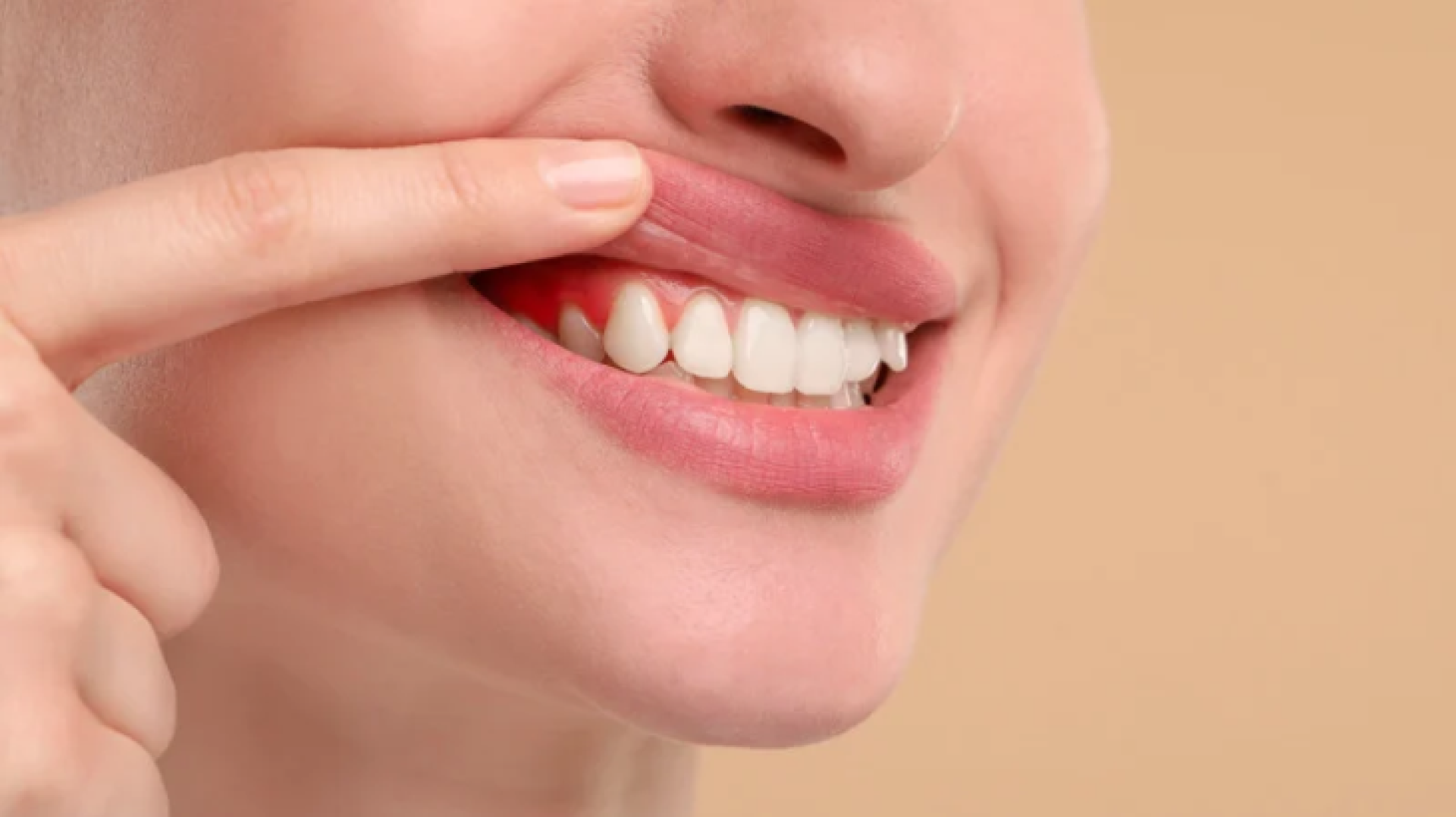
Can you treat gingivitis at home? In mild, early-stage cases, improving your oral hygiene can often help reduce inflammation, especially when there is no significant tartar buildup or evidence of periodontal damage. Brushing properly twice a day, cleaning between your teeth every day, rinsing with warm salt water, and avoiding smoking and excessive sugar can help. Symptoms may begin to improve within 7–14 days. However, if you have significant tartar, pus, fever, persistent swelling, or loose teeth, you should see a dentist.
When your gums start to look red and swollen or bleed while brushing, you may not want to visit a dental clinic immediately. Instead, you may look for ways to treat gingivitis at home first. But does home care actually work, or does it simply delay professional treatment?
The straightforward answer is that treating gingivitis at home can be effective, but mainly when the condition is mild and caused by plaque buildup that can still be removed through good oral hygiene. At this stage, the gums can often return to a healthy condition with consistent home care.
Once tartar or deeper periodontal problems are present, however, home care alone may no longer be enough. This article explains both sides: practical steps you can take at home, a 7-day care plan, and the clear warning signs that mean you should stop relying on home treatment and see a dentist.
Can You Treat Gingivitis at Home? What Are the Limits?
Gingivitis commonly develops when bacteria in plaque accumulate along the gumline. Fresh plaque is a soft, sticky film that can generally be removed with thorough brushing and interdental cleaning. This is why treating gingivitis at home can work well in the early stages: you can address one of the main causes directly through daily oral hygiene.
However, plaque that remains on the teeth can harden into tartar (dental calculus). Once tartar has formed, it cannot be effectively removed with a regular toothbrush or dental floss. Its rough surface can provide additional areas for plaque to accumulate, allowing gum inflammation to persist.
If inflammation progresses into the deeper tissues around the teeth, it may develop into periodontal disease and potentially lead to loss of supporting bone. This damage cannot be reversed through home care alone.
The basic principle is simple: if your symptoms clearly improve within 1–2 weeks after consistently improving your oral hygiene, continue the routine. If there is little or no improvement, you should see a dentist to identify the underlying cause.
Step 1: Brush Properly—The Foundation of Gum Care
The most important part of treating gingivitis at home is not finding a new product. It is using the right brushing technique and cleaning every area thoroughly.
Many people brush every day but focus mainly on the visible surfaces of their teeth or spend less than one minute brushing. This may leave plaque along the gumline, where gingivitis often begins.
Use a soft-bristled, small-headed toothbrush that can reach the back molars. Hold the toothbrush at approximately a 45-degree angle toward the gumline and use gentle, short circular or sweeping motions. Clean two to three teeth at a time rather than scrubbing aggressively back and forth.
Avoid brushing too hard or using excessive horizontal pressure, as this can irritate the gums and contribute to gum recession over time.
Clean all tooth surfaces, including:
The outer surfaces
The inner surfaces near the tongue and palate
The chewing surfaces
The areas around the back molars
The inner surfaces of the lower front teeth, where tartar can accumulate easily
Brush for about 2 minutes twice a day, with brushing before bedtime being especially important.
Step 2: Use Dental Floss or an Interdental Brush
A toothbrush cannot effectively clean every surface between the teeth. These areas can trap plaque and food debris, making interdental cleaning an essential part of treating gingivitis at home.
To use dental floss properly, gently guide the floss between your teeth rather than snapping it down onto the gums. Once the floss reaches the gumline, curve it around each tooth in a C-shape and move it gently up and down along the tooth surface.
Clean both sides of every tooth once a day.
For people with wider spaces between their teeth, gum recession, or orthodontic appliances, interdental brushes may be easier and more effective than traditional floss in certain areas.
It is possible to notice some bleeding when you first begin cleaning inflamed gums. However, bleeding should gradually decrease as plaque is removed and the inflammation improves. If bleeding persists or becomes heavy, consult a dentist.
Step 3: Rinse With Warm Salt Water
A warm salt-water rinse can be a useful supportive measure because it is simple and generally well tolerated.
Dissolve about ½ teaspoon of salt in a glass of warm water. Swish it gently around the mouth for about 30 seconds, then spit it out. You can do this a few times a day, particularly after meals.
Warm salt water may help soothe irritated tissues and rinse away food debris. However, it should be viewed as a supportive measure rather than the main treatment.
Salt-water rinses cannot remove tartar or replace brushing and interdental cleaning. Avoid using an overly concentrated solution because it may irritate the oral tissues. If you need to limit sodium intake, avoid swallowing the rinse.
Step 4: Mouthwash—What Should You Choose?
Some mouthwashes can be used as an additional measure when managing gum inflammation. Chlorhexidine mouthwash may be recommended by a dentist for certain situations because it can reduce oral bacteria.
However, chlorhexidine should generally be used for a limited period and according to professional advice, rather than as a long-term daily mouthwash. Prolonged use can cause temporary tooth or tongue staining and changes in taste.
If you use chlorhexidine, follow the instructions provided by your dentist or the product label. Some formulations may interact with ingredients in toothpaste, so your dentist or pharmacist can advise you on appropriate timing.
Regular mouthwash should never be considered a substitute for brushing and interdental cleaning. Mouthwash does not provide the mechanical cleaning needed to remove plaque from the tooth surface.
Step 5: Cold Compresses and Pain Relief
If your gums or face become acutely swollen and uncomfortable, a cold compress applied to the outside of the cheek may help relieve discomfort.
Wrap an ice pack or cold pack in a cloth and apply it for about 15–20 minutes at a time, with breaks between applications. Do not place ice directly against the skin.
For pain, over-the-counter pain relievers may provide temporary relief when used according to the product label and when medically appropriate.
NSAIDs such as ibuprofen can help relieve pain and inflammation, but they are not suitable for everyone. People with certain stomach, kidney, cardiovascular, or pregnancy-related considerations should consult a healthcare professional before using them.
Paracetamol (acetaminophen) may be an alternative for pain relief for some people.
Antibiotics are not a routine part of treating uncomplicated gingivitis at home. Do not buy or take antibiotics without professional advice. Antibiotics may be appropriate for certain bacterial infections, but they do not remove plaque or tartar and should only be used when clinically indicated.
Step 6: Adjust Your Diet and Daily Habits
Removing plaque is only part of maintaining healthy gums. Your everyday habits can also influence oral health and recovery.
Try to:
Drink enough water throughout the day.
Eat a balanced diet that includes fruits and vegetables.
Choose softer foods temporarily if chewing is uncomfortable.
Get adequate sleep.
Limit sugary foods and drinks, especially frequent snacking or sipping throughout the day.
Avoid smoking or tobacco products.
Limit alcohol if it irritates your mouth.
Avoid very hot, spicy, acidic, or hard foods if your gums are particularly sensitive.
Vitamin C is important for healthy connective tissue, including gum tissue, but supplements are generally not necessary if you already have a balanced diet. If you suspect a nutritional deficiency, speak with a healthcare professional rather than relying on supplements alone.
7-Day Gingivitis Home-Care Plan
If you want to try treating gingivitis at home in a structured way, you can use the following 7-day plan and monitor how your gums respond.
Day 1: Switch to a soft-bristled, small-headed toothbrush and prepare dental floss or an interdental brush. Begin gentle warm salt-water rinses if they feel soothing. Use a cold compress if there is significant facial swelling.
Day 2: Brush properly for 2 minutes in the morning and before bed. Make sure you clean along the gumline without applying excessive pressure.
Day 3: Add daily interdental cleaning before bedtime. Be gentle and clean every accessible space.
Day 4: Reduce sugary foods and drinks between meals. Avoid smoking and limit alcohol. Drink more water and maintain a balanced diet.
Day 5: Check your gums in the mirror and compare them with how they looked on Day 1. Notice whether redness, swelling, or bleeding has started to decrease.
Day 6: Continue the same routine consistently. You can also gently clean your tongue to help reduce oral debris and improve breath.
Day 7: Evaluate the overall change. If swelling and bleeding have clearly decreased and the gums look healthier, continue the routine. If symptoms remain unchanged, worsen, or new symptoms appear, arrange a dental examination.
A 7-day plan is useful for assessing whether improved oral hygiene is helping, but it should not replace professional evaluation when warning signs are present.
Herbal Remedies and Home Treatments: What Is Reasonable and What Should You Avoid?
When searching for ways to treat gingivitis at home, you may come across many herbal remedies and traditional treatments. Some may provide temporary soothing effects, while others can irritate or injure the gums.
Some approaches that may be used cautiously as supportive measures include:
Pure aloe vera gel: Some people use a small amount on irritated gums, although evidence for treating gingivitis is limited.
Clove oil: Eugenol in clove oil has soothing and local anesthetic properties, but concentrated oils can irritate or burn oral tissues. It should not be applied excessively or used as a substitute for dental treatment.
Oil pulling: Evidence for its effectiveness is limited. If used, it should never replace brushing and interdental cleaning, and the oil should not be swallowed.
Green tea: Drinking unsweetened green tea may be part of a healthy diet, but it should not be considered a treatment for established gum disease.
Avoid potentially harmful practices such as:
Applying high-concentration alcohol directly to the gums
Rubbing salt or charcoal aggressively against the gums
Using sharp toothpicks aggressively around inflamed tissue
Applying irritating substances such as household alcohol or other non-oral products
Puncturing or squeezing a pus-filled swelling yourself
The key point is that home remedies can only provide supportive care. None can remove hardened tartar or replace professional treatment when an underlying dental problem is present.
Six Common Misconceptions That Can Make Gingivitis Worse
These mistakes are common reasons why home care may fail:
Avoiding brushing areas that bleed: Bleeding usually indicates inflammation, so gently cleaning the area is important. Avoiding it can allow more plaque to accumulate.
Brushing harder to make the teeth cleaner: Excessive force can damage the gums. Good technique matters more than pressure.
Using mouthwash instead of brushing: Mouthwash cannot provide the mechanical plaque removal achieved by brushing and interdental cleaning.
Stopping oral care as soon as symptoms disappear: Gingivitis can return if plaque control is not maintained. Oral hygiene needs to remain a daily habit.
Taking antibiotics without professional advice: Antibiotics do not remove plaque or tartar and are not routinely needed for uncomplicated gingivitis.
Waiting for months because the symptoms are not painful: Gum disease does not always cause significant pain. Persistent inflammation should be evaluated rather than ignored.
Comparison Table: Which Symptoms Can Be Managed at Home and Which Need a Dentist?
Symptom
Home care may be appropriate
See a dentist
Mildly red or swollen gums with bleeding during brushing
Yes, improve oral hygiene and monitor
If it does not improve within about 1–2 weeks
Hard yellow or brown deposits around the gumline
No, brushing cannot remove tartar
Professional dental cleaning is needed
Pus, persistent bad taste, or foul odor
No
Seek dental care promptly
Receding gums or loose teeth
No
Dental and periodontal evaluation is needed
Recurrent swelling around the back molars
Home care may provide temporary relief
Dental examination and possible X-ray may be needed
Fever, facial swelling, or difficulty swallowing or breathing
No
Seek urgent or emergency medical care
Benefits and Limitations of Treating Gingivitis at Home
The main benefit of treating gingivitis at home is that you can start immediately, usually at little additional cost. Good oral hygiene is also essential regardless of whether you eventually need professional treatment.
For people with mild plaque-induced gingivitis, consistent brushing and interdental cleaning may be enough to significantly improve gum health.
However, home care has clear limitations. It can remove soft plaque but cannot remove hardened tartar, especially tartar below the gumline. It also cannot treat deep tooth decay, a dental abscess, a cracked tooth, or an impacted wisdom tooth.
The real risk is not home care itself. The problem is continuing to treat yourself for too long when the underlying cause requires professional treatment.
If inflammation persists despite good oral hygiene, a dentist can determine whether tartar, periodontal disease, tooth decay, infection, or another local problem is contributing to your symptoms.
Signs You Should Stop Home Treatment and See a Dentist
You should arrange a dental examination if you notice any of the following:
Your symptoms remain unchanged or worsen after 1–2 weeks of consistent oral care.
You can see hard yellow or brown deposits around the gumline.
Pus is coming from the gums, or you have a persistent unpleasant taste or odor.
You develop a fever, chills, or swollen and tender lymph nodes.
Swelling spreads to the cheek, jaw, under the chin, or around the eye.
You have difficulty swallowing, breathing, speaking, or opening your mouth.
Bleeding occurs spontaneously or is difficult to control.
Your gums are noticeably receding.
Your teeth feel loose or your bite has changed.
You develop severe or persistent tooth pain, particularly pain that interferes with sleep or chewing.
If swelling is spreading rapidly or you have difficulty breathing or swallowing, seek emergency medical care rather than waiting for a routine dental appointment.
People who are pregnant, have diabetes, or take medications that suppress the immune system may also benefit from seeking professional dental advice sooner when gum inflammation persists.
How to Maintain Healthy Gums Long Term
Once your symptoms improve, consistency is what helps prevent gingivitis from returning.
A long-term oral-care routine should include:
Brushing twice a day for about 2 minutes with a soft-bristled toothbrush and fluoride toothpaste.
Cleaning between your teeth every day with floss or an interdental brush.
Replacing your toothbrush when the bristles become worn or approximately every 3 months.
Drinking enough water.
Limiting frequent sugary snacks and drinks.
Avoiding smoking and tobacco products.
Getting enough sleep.
Managing underlying health conditions appropriately.
Regular dental checkups and professional cleaning are also important. How often you need a professional cleaning depends on your oral health and risk factors. Some people may benefit from visits every 6 months, while others—particularly those with a history of periodontal disease or other risk factors—may need more frequent follow-up based on their dentist’s recommendation.
Regular dental visits are not only for treating problems after they occur. They also help identify early changes while they are easier to manage.
Conclusion
Treating gingivitis at home can be effective in mild, early-stage cases. The foundation is proper brushing twice a day for 2 minutes, daily interdental cleaning, and consistent oral hygiene. Warm salt-water rinses can be used as a supportive measure, while pain relief may be appropriate when needed and medically suitable.
However, home care has a clear limit: it cannot remove hardened tartar or treat underlying dental problems such as deep decay, abscesses, periodontal disease, or impacted wisdom teeth.
If your gums do not improve after 1–2 weeks of good oral hygiene, or if you notice tartar, pus, fever, loose teeth, severe pain, or spreading facial swelling, stop relying on home treatment and see a dentist.
At Pasook Dental Clinic, dental professionals can examine your gums, assess periodontal health, and use appropriate X-rays when necessary to identify the underlying cause. The team can also recommend a personalized oral-care routine based on your individual dental condition, helping you maintain healthier gums and reduce the risk of recurring problems.
Frequently Asked Questions (FAQ)
1. How long does it take to see results when treating gingivitis at home?
If the gingivitis is mild and primarily related to plaque buildup, you may begin to notice improvement within 7–14 days of consistent oral hygiene. Signs of improvement include less bleeding during brushing, reduced swelling, and healthier-looking gums.
If there is no noticeable improvement after about 2 weeks, you should see a dentist to determine whether tartar or another underlying problem is contributing to the inflammation.
2. Should I stop brushing if my gums bleed?
No. In most cases, bleeding during brushing indicates that the gums are inflamed and need better plaque control. Continue brushing gently with a soft-bristled toothbrush and clean between your teeth carefully.
However, if bleeding is heavy, occurs spontaneously, or does not improve with proper oral hygiene, seek professional dental advice.
3. Can I remove tartar at home?
No. Hardened tartar cannot be safely removed with a regular toothbrush or household tools.
Do not try to scrape tartar off yourself, as sharp or unsterile instruments can injure the gums and damage tooth surfaces. Professional dental cleaning is the appropriate way to remove tartar safely.
4. Can toothpaste formulated for gum health help with gingivitis?
It may help as part of a good oral-hygiene routine. Some fluoride toothpastes contain ingredients that can help reduce plaque and support gum health.
However, brushing technique and consistency are more important than simply changing toothpaste brands. If plaque remains around the gumline, switching toothpaste alone is unlikely to resolve the problem.
5. Why does my gingivitis keep coming back even though I take good care of my teeth?
Recurring gum inflammation may indicate an underlying issue that has not been addressed, such as tartar below the gumline, food trapped between teeth, tooth decay, an overhanging or poorly fitting dental restoration, or a wisdom tooth problem.
In these cases, home care may provide temporary relief, but a dental examination is needed to identify and treat the underlying cause. For more information about dental fillings, see this guide to dental fillings. You can also learn more about wisdom tooth extraction.
6. Can pregnant women treat gingivitis at home?
Yes. Maintaining good oral hygiene during pregnancy is important because hormonal changes can make the gums more sensitive to inflammation.
Brushing twice a day, cleaning between the teeth, and using a warm salt-water rinse are generally reasonable oral-care measures. However, medication should be discussed with a healthcare professional before use during pregnancy.
Professional dental care, including necessary dental cleaning, can also be provided during pregnancy. Your dentist can advise you on the appropriate timing and treatment based on your individual circumstances.
When your gums start to look red and swollen or bleed while brushing, you may not want to visit a dental clinic immediately. Instead, you may look for ways to treat gingivitis at home first. But does home care actually work, or does it simply delay professional treatment?
The straightforward answer is that treating gingivitis at home can be effective, but mainly when the condition is mild and caused by plaque buildup that can still be removed through good oral hygiene. At this stage, the gums can often return to a healthy condition with consistent home care.
Once tartar or deeper periodontal problems are present, however, home care alone may no longer be enough. This article explains both sides: practical steps you can take at home, a 7-day care plan, and the clear warning signs that mean you should stop relying on home treatment and see a dentist.
Can You Treat Gingivitis at Home? What Are the Limits?
Gingivitis commonly develops when bacteria in plaque accumulate along the gumline. Fresh plaque is a soft, sticky film that can generally be removed with thorough brushing and interdental cleaning. This is why treating gingivitis at home can work well in the early stages: you can address one of the main causes directly through daily oral hygiene.
However, plaque that remains on the teeth can harden into tartar (dental calculus). Once tartar has formed, it cannot be effectively removed with a regular toothbrush or dental floss. Its rough surface can provide additional areas for plaque to accumulate, allowing gum inflammation to persist.
If inflammation progresses into the deeper tissues around the teeth, it may develop into periodontal disease and potentially lead to loss of supporting bone. This damage cannot be reversed through home care alone.
The basic principle is simple: if your symptoms clearly improve within 1–2 weeks after consistently improving your oral hygiene, continue the routine. If there is little or no improvement, you should see a dentist to identify the underlying cause.
Step 1: Brush Properly—The Foundation of Gum Care
The most important part of treating gingivitis at home is not finding a new product. It is using the right brushing technique and cleaning every area thoroughly.
Many people brush every day but focus mainly on the visible surfaces of their teeth or spend less than one minute brushing. This may leave plaque along the gumline, where gingivitis often begins.
Use a soft-bristled, small-headed toothbrush that can reach the back molars. Hold the toothbrush at approximately a 45-degree angle toward the gumline and use gentle, short circular or sweeping motions. Clean two to three teeth at a time rather than scrubbing aggressively back and forth.
Avoid brushing too hard or using excessive horizontal pressure, as this can irritate the gums and contribute to gum recession over time.
Clean all tooth surfaces, including:
The outer surfaces
The inner surfaces near the tongue and palate
The chewing surfaces
The areas around the back molars
The inner surfaces of the lower front teeth, where tartar can accumulate easily
Brush for about 2 minutes twice a day, with brushing before bedtime being especially important.
Step 2: Use Dental Floss or an Interdental Brush
A toothbrush cannot effectively clean every surface between the teeth. These areas can trap plaque and food debris, making interdental cleaning an essential part of treating gingivitis at home.
To use dental floss properly, gently guide the floss between your teeth rather than snapping it down onto the gums. Once the floss reaches the gumline, curve it around each tooth in a C-shape and move it gently up and down along the tooth surface.
Clean both sides of every tooth once a day.
For people with wider spaces between their teeth, gum recession, or orthodontic appliances, interdental brushes may be easier and more effective than traditional floss in certain areas.
It is possible to notice some bleeding when you first begin cleaning inflamed gums. However, bleeding should gradually decrease as plaque is removed and the inflammation improves. If bleeding persists or becomes heavy, consult a dentist.
Step 3: Rinse With Warm Salt Water
A warm salt-water rinse can be a useful supportive measure because it is simple and generally well tolerated.
Dissolve about ½ teaspoon of salt in a glass of warm water. Swish it gently around the mouth for about 30 seconds, then spit it out. You can do this a few times a day, particularly after meals.
Warm salt water may help soothe irritated tissues and rinse away food debris. However, it should be viewed as a supportive measure rather than the main treatment.
Salt-water rinses cannot remove tartar or replace brushing and interdental cleaning. Avoid using an overly concentrated solution because it may irritate the oral tissues. If you need to limit sodium intake, avoid swallowing the rinse.
Step 4: Mouthwash—What Should You Choose?
Some mouthwashes can be used as an additional measure when managing gum inflammation. Chlorhexidine mouthwash may be recommended by a dentist for certain situations because it can reduce oral bacteria.
However, chlorhexidine should generally be used for a limited period and according to professional advice, rather than as a long-term daily mouthwash. Prolonged use can cause temporary tooth or tongue staining and changes in taste.
If you use chlorhexidine, follow the instructions provided by your dentist or the product label. Some formulations may interact with ingredients in toothpaste, so your dentist or pharmacist can advise you on appropriate timing.
Regular mouthwash should never be considered a substitute for brushing and interdental cleaning. Mouthwash does not provide the mechanical cleaning needed to remove plaque from the tooth surface.
Step 5: Cold Compresses and Pain Relief
If your gums or face become acutely swollen and uncomfortable, a cold compress applied to the outside of the cheek may help relieve discomfort.
Wrap an ice pack or cold pack in a cloth and apply it for about 15–20 minutes at a time, with breaks between applications. Do not place ice directly against the skin.
For pain, over-the-counter pain relievers may provide temporary relief when used according to the product label and when medically appropriate.
NSAIDs such as ibuprofen can help relieve pain and inflammation, but they are not suitable for everyone. People with certain stomach, kidney, cardiovascular, or pregnancy-related considerations should consult a healthcare professional before using them.
Paracetamol (acetaminophen) may be an alternative for pain relief for some people.
Antibiotics are not a routine part of treating uncomplicated gingivitis at home. Do not buy or take antibiotics without professional advice. Antibiotics may be appropriate for certain bacterial infections, but they do not remove plaque or tartar and should only be used when clinically indicated.
Step 6: Adjust Your Diet and Daily Habits
Removing plaque is only part of maintaining healthy gums. Your everyday habits can also influence oral health and recovery.
Try to:
Drink enough water throughout the day.
Eat a balanced diet that includes fruits and vegetables.
Choose softer foods temporarily if chewing is uncomfortable.
Get adequate sleep.
Limit sugary foods and drinks, especially frequent snacking or sipping throughout the day.
Avoid smoking or tobacco products.
Limit alcohol if it irritates your mouth.
Avoid very hot, spicy, acidic, or hard foods if your gums are particularly sensitive.
Vitamin C is important for healthy connective tissue, including gum tissue, but supplements are generally not necessary if you already have a balanced diet. If you suspect a nutritional deficiency, speak with a healthcare professional rather than relying on supplements alone.
7-Day Gingivitis Home-Care Plan
If you want to try treating gingivitis at home in a structured way, you can use the following 7-day plan and monitor how your gums respond.
Day 1: Switch to a soft-bristled, small-headed toothbrush and prepare dental floss or an interdental brush. Begin gentle warm salt-water rinses if they feel soothing. Use a cold compress if there is significant facial swelling.
Day 2: Brush properly for 2 minutes in the morning and before bed. Make sure you clean along the gumline without applying excessive pressure.
Day 3: Add daily interdental cleaning before bedtime. Be gentle and clean every accessible space.
Day 4: Reduce sugary foods and drinks between meals. Avoid smoking and limit alcohol. Drink more water and maintain a balanced diet.
Day 5: Check your gums in the mirror and compare them with how they looked on Day 1. Notice whether redness, swelling, or bleeding has started to decrease.
Day 6: Continue the same routine consistently. You can also gently clean your tongue to help reduce oral debris and improve breath.
Day 7: Evaluate the overall change. If swelling and bleeding have clearly decreased and the gums look healthier, continue the routine. If symptoms remain unchanged, worsen, or new symptoms appear, arrange a dental examination.
A 7-day plan is useful for assessing whether improved oral hygiene is helping, but it should not replace professional evaluation when warning signs are present.
Herbal Remedies and Home Treatments: What Is Reasonable and What Should You Avoid?
When searching for ways to treat gingivitis at home, you may come across many herbal remedies and traditional treatments. Some may provide temporary soothing effects, while others can irritate or injure the gums.
Some approaches that may be used cautiously as supportive measures include:
Pure aloe vera gel: Some people use a small amount on irritated gums, although evidence for treating gingivitis is limited.
Clove oil: Eugenol in clove oil has soothing and local anesthetic properties, but concentrated oils can irritate or burn oral tissues. It should not be applied excessively or used as a substitute for dental treatment.
Oil pulling: Evidence for its effectiveness is limited. If used, it should never replace brushing and interdental cleaning, and the oil should not be swallowed.
Green tea: Drinking unsweetened green tea may be part of a healthy diet, but it should not be considered a treatment for established gum disease.
Avoid potentially harmful practices such as:
Applying high-concentration alcohol directly to the gums
Rubbing salt or charcoal aggressively against the gums
Using sharp toothpicks aggressively around inflamed tissue
Applying irritating substances such as household alcohol or other non-oral products
Puncturing or squeezing a pus-filled swelling yourself
The key point is that home remedies can only provide supportive care. None can remove hardened tartar or replace professional treatment when an underlying dental problem is present.
Six Common Misconceptions That Can Make Gingivitis Worse
These mistakes are common reasons why home care may fail:
Avoiding brushing areas that bleed: Bleeding usually indicates inflammation, so gently cleaning the area is important. Avoiding it can allow more plaque to accumulate.
Brushing harder to make the teeth cleaner: Excessive force can damage the gums. Good technique matters more than pressure.
Using mouthwash instead of brushing: Mouthwash cannot provide the mechanical plaque removal achieved by brushing and interdental cleaning.
Stopping oral care as soon as symptoms disappear: Gingivitis can return if plaque control is not maintained. Oral hygiene needs to remain a daily habit.
Taking antibiotics without professional advice: Antibiotics do not remove plaque or tartar and are not routinely needed for uncomplicated gingivitis.
Waiting for months because the symptoms are not painful: Gum disease does not always cause significant pain. Persistent inflammation should be evaluated rather than ignored.
Comparison Table: Which Symptoms Can Be Managed at Home and Which Need a Dentist?
Symptom
Home care may be appropriate
See a dentist
Mildly red or swollen gums with bleeding during brushing
Yes, improve oral hygiene and monitor
If it does not improve within about 1–2 weeks
Hard yellow or brown deposits around the gumline
No, brushing cannot remove tartar
Professional dental cleaning is needed
Pus, persistent bad taste, or foul odor
No
Seek dental care promptly
Receding gums or loose teeth
No
Dental and periodontal evaluation is needed
Recurrent swelling around the back molars
Home care may provide temporary relief
Dental examination and possible X-ray may be needed
Fever, facial swelling, or difficulty swallowing or breathing
No
Seek urgent or emergency medical care
Benefits and Limitations of Treating Gingivitis at Home
The main benefit of treating gingivitis at home is that you can start immediately, usually at little additional cost. Good oral hygiene is also essential regardless of whether you eventually need professional treatment.
For people with mild plaque-induced gingivitis, consistent brushing and interdental cleaning may be enough to significantly improve gum health.
However, home care has clear limitations. It can remove soft plaque but cannot remove hardened tartar, especially tartar below the gumline. It also cannot treat deep tooth decay, a dental abscess, a cracked tooth, or an impacted wisdom tooth.
The real risk is not home care itself. The problem is continuing to treat yourself for too long when the underlying cause requires professional treatment.
If inflammation persists despite good oral hygiene, a dentist can determine whether tartar, periodontal disease, tooth decay, infection, or another local problem is contributing to your symptoms.
Signs You Should Stop Home Treatment and See a Dentist
You should arrange a dental examination if you notice any of the following:
Your symptoms remain unchanged or worsen after 1–2 weeks of consistent oral care.
You can see hard yellow or brown deposits around the gumline.
Pus is coming from the gums, or you have a persistent unpleasant taste or odor.
You develop a fever, chills, or swollen and tender lymph nodes.
Swelling spreads to the cheek, jaw, under the chin, or around the eye.
You have difficulty swallowing, breathing, speaking, or opening your mouth.
Bleeding occurs spontaneously or is difficult to control.
Your gums are noticeably receding.
Your teeth feel loose or your bite has changed.
You develop severe or persistent tooth pain, particularly pain that interferes with sleep or chewing.
If swelling is spreading rapidly or you have difficulty breathing or swallowing, seek emergency medical care rather than waiting for a routine dental appointment.
People who are pregnant, have diabetes, or take medications that suppress the immune system may also benefit from seeking professional dental advice sooner when gum inflammation persists.
How to Maintain Healthy Gums Long Term
Once your symptoms improve, consistency is what helps prevent gingivitis from returning.
A long-term oral-care routine should include:
Brushing twice a day for about 2 minutes with a soft-bristled toothbrush and fluoride toothpaste.
Cleaning between your teeth every day with floss or an interdental brush.
Replacing your toothbrush when the bristles become worn or approximately every 3 months.
Drinking enough water.
Limiting frequent sugary snacks and drinks.
Avoiding smoking and tobacco products.
Getting enough sleep.
Managing underlying health conditions appropriately.
Regular dental checkups and professional cleaning are also important. How often you need a professional cleaning depends on your oral health and risk factors. Some people may benefit from visits every 6 months, while others—particularly those with a history of periodontal disease or other risk factors—may need more frequent follow-up based on their dentist’s recommendation.
Regular dental visits are not only for treating problems after they occur. They also help identify early changes while they are easier to manage.
Conclusion
Treating gingivitis at home can be effective in mild, early-stage cases. The foundation is proper brushing twice a day for 2 minutes, daily interdental cleaning, and consistent oral hygiene. Warm salt-water rinses can be used as a supportive measure, while pain relief may be appropriate when needed and medically suitable.
However, home care has a clear limit: it cannot remove hardened tartar or treat underlying dental problems such as deep decay, abscesses, periodontal disease, or impacted wisdom teeth.
If your gums do not improve after 1–2 weeks of good oral hygiene, or if you notice tartar, pus, fever, loose teeth, severe pain, or spreading facial swelling, stop relying on home treatment and see a dentist.
At Pasook Dental Clinic, dental professionals can examine your gums, assess periodontal health, and use appropriate X-rays when necessary to identify the underlying cause. The team can also recommend a personalized oral-care routine based on your individual dental condition, helping you maintain healthier gums and reduce the risk of recurring problems.
Frequently Asked Questions (FAQ)
1. How long does it take to see results when treating gingivitis at home?
If the gingivitis is mild and primarily related to plaque buildup, you may begin to notice improvement within 7–14 days of consistent oral hygiene. Signs of improvement include less bleeding during brushing, reduced swelling, and healthier-looking gums.
If there is no noticeable improvement after about 2 weeks, you should see a dentist to determine whether tartar or another underlying problem is contributing to the inflammation.
2. Should I stop brushing if my gums bleed?
No. In most cases, bleeding during brushing indicates that the gums are inflamed and need better plaque control. Continue brushing gently with a soft-bristled toothbrush and clean between your teeth carefully.
However, if bleeding is heavy, occurs spontaneously, or does not improve with proper oral hygiene, seek professional dental advice.
3. Can I remove tartar at home?
No. Hardened tartar cannot be safely removed with a regular toothbrush or household tools.
Do not try to scrape tartar off yourself, as sharp or unsterile instruments can injure the gums and damage tooth surfaces. Professional dental cleaning is the appropriate way to remove tartar safely.
4. Can toothpaste formulated for gum health help with gingivitis?
It may help as part of a good oral-hygiene routine. Some fluoride toothpastes contain ingredients that can help reduce plaque and support gum health.
However, brushing technique and consistency are more important than simply changing toothpaste brands. If plaque remains around the gumline, switching toothpaste alone is unlikely to resolve the problem.
5. Why does my gingivitis keep coming back even though I take good care of my teeth?
Recurring gum inflammation may indicate an underlying issue that has not been addressed, such as tartar below the gumline, food trapped between teeth, tooth decay, an overhanging or poorly fitting dental restoration, or a wisdom tooth problem.
In these cases, home care may provide temporary relief, but a dental examination is needed to identify and treat the underlying cause. For more information about dental fillings, see this guide to dental fillings. You can also learn more about wisdom tooth extraction.
6. Can pregnant women treat gingivitis at home?
Yes. Maintaining good oral hygiene during pregnancy is important because hormonal changes can make the gums more sensitive to inflammation.
Brushing twice a day, cleaning between the teeth, and using a warm salt-water rinse are generally reasonable oral-care measures. However, medication should be discussed with a healthcare professional before use during pregnancy.
Professional dental care, including necessary dental cleaning, can also be provided during pregnancy. Your dentist can advise you on the appropriate timing and treatment based on your individual circumstances.
Related Content

Does wisdom tooth suture removal hurt? In most cases, it causes little to no pain, with only mild tightness or pulling. Learn about the procedure, timing, preparation, aftercare, and warning signs to watch for.

How long does wisdom tooth pain last? Learn about pain while wisdom teeth are erupting and after wisdom tooth surgery, including a day-by-day recovery timeline, pain relief methods, and warning signs that require immediate dental attention.
Wondering if everyone has wisdom teeth? Discover the truth about wisdom teeth, common symptoms, extraction procedures, and why some people never develop them at all.