Can a Cracked Tooth Be Filled? Understanding Which Types of Damage Can Be Repaired
Last updated: 6 Nov 2026
160 Views
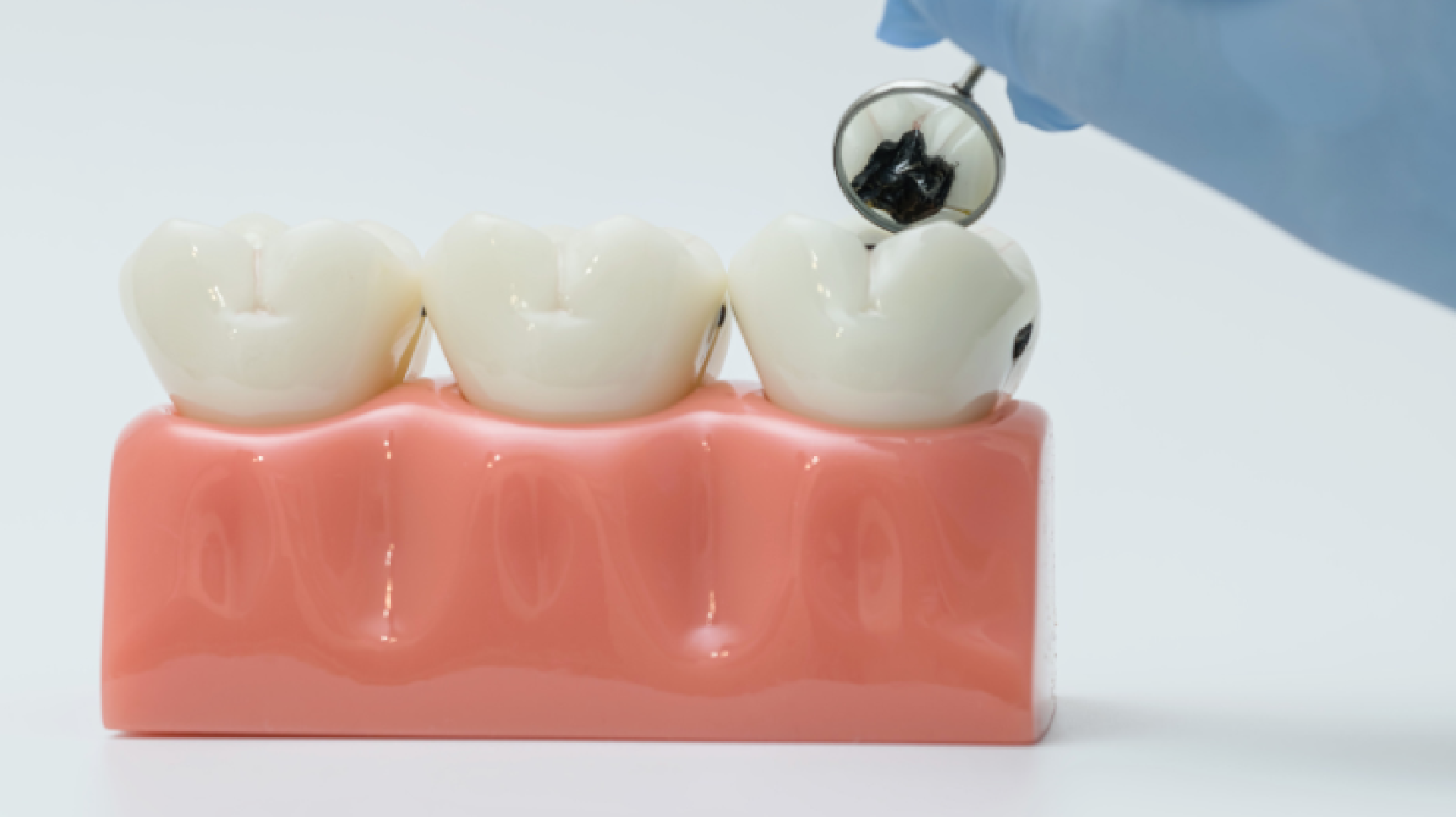
The answer to "Can a cracked tooth be filled?" is yes, in many cases. This is particularly true for minor chips or cracks limited to the enamel and dentin. Dentists can often use tooth-colored composite resin fillings to restore the tooth's appearance and function. However, if a large portion of the tooth has broken off, a cusp has fractured, the crack extends into the pulp, or the fracture reaches the root, a simple filling may not be sufficient. Other treatments, such as an onlay, dental crown, root canal treatment, or, in severe cases, tooth extraction, may be necessary. The most reliable way to determine the appropriate treatment is to have a dentist examine the tooth and take X-rays to assess the depth and extent of the damage.
Many people have experienced something similar: biting down on something hard, hearing a sudden "crack," and then noticing an unusually sharp edge with their tongue. Others may look in the mirror and discover that a corner of their front tooth has chipped away. The first question that comes to mind is often: Can a cracked tooth be filled, or will I have to spend a considerable amount on a dental crown or root canal treatment?
The truth is that not all cracked teeth are the same. Damage can range from fine hairline cracks that are barely visible to teeth that have split into two separate pieces. Each level of damage requires a different treatment approach. Some cases can be repaired with a filling in less than an hour, while others require multiple appointments. In the most severe cases, the affected tooth may not be salvageable.
This article explains the different levels of tooth damage, which types can be treated with fillings, when alternative treatments are necessary, how dentists make treatment decisions, and what you should do before visiting a dentist. The goal is to help you make an informed decision without unnecessary worry or delaying treatment until the damage becomes more serious. Please note that this article provides general information. An accurate diagnosis and treatment plan must be determined by a dentist on an individual basis.
Can a Cracked Tooth Be Filled? It Depends on the Depth and Size of the Damage
Dentists generally consider three main factors when determining whether a cracked tooth can be repaired with a filling.
1. Depth of the crack
If the crack is limited to the enamel or outer layer of dentin, the tooth is more likely to be suitable for a filling. However, if the crack extends into the pulp or root, more complex treatment may be required.
2. Amount of tooth structure lost
If only a small corner of the tooth has chipped away, filling material can usually bond effectively to the remaining tooth structure. However, if more than approximately half of the tooth structure is missing, a filling may not withstand chewing forces adequately and may be more likely to fracture or come loose.
3. Location of the affected tooth
Front teeth generally experience less chewing pressure and are more important for aesthetics. Therefore, fillings or dental bonding are often sufficient for minor damage.
Molars, on the other hand, withstand significant chewing forces. If a large portion of a molar is damaged, a stronger restoration, such as an onlay or dental crown, may be recommended.
Dentists also consider accompanying symptoms, such as pain when biting and releasing pressure, prolonged sensitivity to cold foods or drinks, or swelling around the affected tooth. These symptoms may indicate that the crack extends deeper than it appears.
Level 1: Enamel Craze Lines – Usually No Filling Required
Craze lines are fine cracks that affect only the outer enamel layer. They often appear as thin vertical lines on the front teeth when viewed under light. They are relatively common in adults, particularly those who have used their teeth for many years or grind their teeth during sleep.
Cracks at this level generally do not cause pain or sensitivity and do not significantly weaken the tooth. Therefore, most dentists recommend monitoring the condition rather than treating it.
If the lines become stained and affect the appearance of the teeth, cosmetic options may include enamel polishing, teeth whitening, or minor dental bonding. Drilling and placing a filling are generally unnecessary.
Level 2: Minor Chipped Tooth – Usually Suitable for Dental Fillings
A chipped tooth occurs when a small piece of tooth structure breaks off. This commonly happens at the edges of front teeth or the cusps of molars.
This is one of the clearest examples of a situation where the answer to "Can a cracked tooth be filled?" is yes.
Common treatment options
Composite resin filling
The dentist cleans the affected tooth surface, applies a bonding agent, and carefully builds up the missing portion using tooth-colored composite resin. A curing light is then used to harden the material before the dentist shapes and polishes it to blend naturally with the surrounding tooth.
Dental bonding
Dental bonding uses a similar technique to composite fillings but focuses more on restoring the shape and appearance of the tooth. It is particularly suitable for minor chips affecting the corners or edges of front teeth.
Minor chips often do not require local anesthesia because little or no deep drilling is necessary.
If you are concerned about discomfort during the procedure, you can also read our article, "Does Getting a Dental Filling Hurt?", which explains the filling process in greater detail.
Level 3: Fractured Cusp – Can It Be Filled or Does It Need an Onlay?
A cusp is one of the raised points on the chewing surface of a molar or premolar. A fractured cusp occurs when one of these raised sections breaks off.
This commonly happens in teeth that have previously received large fillings because the remaining tooth structure around the old restoration may have become thinner and weaker.
The good news is that most fractured cusps do not extend into the dental pulp, so the pain may be relatively mild. However, you may notice sharp edges, tongue irritation, or food becoming trapped around the damaged area.
Treatment options
If the remaining tooth structure is strong and the damaged area is relatively small, the dentist may restore it with composite resin.
If a larger area has fractured or the tooth already has a large filling, an inlay or onlay may be recommended. These restorations are custom-made in a dental laboratory and cover the damaged portion of the tooth. They provide greater strength than a conventional filling while preserving more natural tooth structure than a full dental crown.
If very little natural tooth structure remains, a dental crown may be necessary to protect the remaining tooth and prevent further fractures.
Level 4: Cracked Tooth – A Filling Alone Is Usually Not Enough
A cracked tooth differs from a chipped tooth because the tooth structure has not completely broken away. Instead, a crack begins on the chewing surface and extends deeper into the dentin.
These cracks are often difficult to detect with the naked eye and may not even appear on conventional dental X-rays.
Common symptoms include:
Sharp pain when biting down and releasing pressure.
Intermittent sensitivity to cold or sweet foods and drinks.
Difficulty identifying exactly which tooth is causing the discomfort.
Dentists may use transillumination, a bite test using a specialized instrument, or dental staining to identify the location and extent of the crack.
For a cracked tooth, a simple filling is often insufficient because filling material does not hold the cracked sections of the tooth together. When chewing pressure is applied, the crack may continue to move and spread.
A dental crown is commonly recommended to hold the remaining tooth structure together. If the crack extends into the pulp, root canal treatment may be required before placing the crown.
Level 5: Tooth Fracture Extending into the Pulp – Root Canal Treatment May Be Necessary
When a large portion of the tooth breaks away and exposes a pink or red area in the center, or when the patient experiences throbbing pain, nighttime pain, or prolonged pain after consuming hot foods or drinks, the fracture may have exposed the dental pulp.
The pulp contains nerves and blood vessels that can become inflamed or infected when exposed to bacteria.
Simply placing a filling over the exposed area is generally not a safe treatment option because bacteria remaining inside the tooth may lead to infection or an abscess at the root tip.
The dentist may recommend root canal treatment to remove inflamed or infected pulp tissue, clean and disinfect the root canals, and seal them with appropriate filling materials.
After root canal treatment, the tooth may become more susceptible to fracture, particularly if a substantial amount of tooth structure has been lost. Therefore, a dental crown is often recommended afterward to protect the remaining tooth, especially for molars.
In certain cases where the pulp exposure is very small and the injury has occurred recently, particularly in children or teenagers, the dentist may consider vital pulp therapy using specialized materials before restoring the tooth with a filling.
However, this approach must be evaluated individually and requires careful follow-up.
Level 6: Split Tooth – Some Portions May Still Be Salvageable
A split tooth often develops when an untreated crack gradually extends through the entire tooth, eventually separating it into two distinct sections.
The two sections may move independently when pressure is applied. Patients commonly experience significant pain when chewing, sometimes accompanied by gum swelling.
A split tooth cannot simply be restored to its original condition with a conventional filling.
The dentist must assess whether any portion of the tooth can still be preserved. In certain cases involving molars with multiple roots, it may be possible to remove the damaged portion and perform root canal treatment and crown restoration on the remaining healthy section.
However, many split tooth cases ultimately require extraction.
Level 7: Vertical Root Fracture – Extraction Is Often Necessary
A vertical root fracture is a crack that begins in the root and extends upward toward the crown of the tooth.
This condition is more commonly found in teeth that have previously undergone root canal treatment.
Symptoms may initially be subtle. Some patients experience recurring gum swelling or develop a small pus-filled bump near the affected tooth. As a result, the condition may sometimes be mistaken for an ordinary gum problem.
If you experience recurring gum swelling around a molar that has previously received root canal treatment, inform your dentist so that a vertical root fracture can be investigated.
Because the fracture is located beneath the gum line and within the supporting bone, a filling or dental crown cannot effectively seal or repair it.
In most cases, tooth extraction is recommended, followed by consideration of an appropriate tooth replacement option.
If you are concerned about the procedure, you can read our article, "Does Tooth Extraction Hurt?"
Comparison Table: Can Each Level of Tooth Damage Be Filled?
Type of Tooth Damage
Common Symptoms
Can It Be Filled?
Recommended Treatment
Estimated Cost*
Enamel craze lines
Painless, thin visible lines
No filling necessary
Monitoring, polishing, or cosmetic bonding
THB 0–3,000
Minor chipped tooth
Sharp edges, tongue irritation, mild sensitivity
Yes
Composite filling or dental bonding
THB 800–3,000 per surface
Fractured cusp
Sharp edges, food trapping, mild pain
Yes, if damage is limited
Filling, inlay/onlay, or dental crown
THB 1,000–15,000
Cracked tooth
Sharp pain when biting and releasing pressure
A filling alone is usually insufficient
Dental crown (with or without root canal treatment)
THB 8,000–20,000
Fracture extending into the pulp
Throbbing pain, nighttime pain, prolonged sensitivity
Should not simply be sealed with a filling
Root canal treatment followed by a dental crown
THB 15,000–35,000 or more
Split tooth
Mobile tooth sections, significant pain when chewing
No
Removal of damaged portion with restoration, or extraction
Depends on the treatment plan
Vertical root fracture
Recurrent gum swelling, pus-filled bump
No
Tooth extraction and tooth replacement
Depends on the replacement option
These prices are approximate market estimates intended for preliminary budgeting purposes only. Actual costs depend on the tooth's location, materials used, and complexity of the case. Contact the dental clinic directly for a treatment estimate after a dentist has examined your tooth.
How Do Dentists Determine Whether a Cracked Tooth Can Be Filled?
Determining whether a cracked tooth can be repaired with a filling involves more than simply looking at the tooth. Dentists generally perform several examinations to assess the damage accurately.
1. Medical and dental history
The dentist will ask when the tooth broke, what caused the damage, whether you experience pain or sensitivity, and how long the symptoms have lasted.
2. Clinical examination
The dentist examines the size and location of the crack, the surrounding gum tissue, and the way your teeth come together when you bite.
3. Bite test
You may be asked to bite down on a specialized instrument using different cusps of the tooth. This helps identify the specific area causing discomfort and can reveal hidden cracks.
4. Transillumination or staining
Light is directed through the tooth, or a special dye is applied, to help identify fine cracks that may otherwise be difficult to see.
5. Dental X-rays
X-rays help assess the tooth structure, the proximity of the fracture to the pulp, and whether there are signs of infection around the root tip or changes in the surrounding bone.
6. Pulp vitality testing
The dentist may use cold testing or specialized equipment to determine whether the dental pulp is still healthy or has become inflamed.
The results of these examinations help the dentist determine whether the tooth should receive a filling, onlay, crown, root canal treatment, or extraction.
In some cases, the treatment plan may change during the procedure. For example, after removing damaged tooth structure, the dentist may discover that the crack extends deeper than initially expected.
Dental Filling vs. Inlay/Onlay vs. Dental Crown: What Is the Difference?
1. Dental Filling (Composite Filling)
Dental fillings are suitable for minor to moderate tooth damage.
The procedure can usually be completed in a single appointment and requires minimal removal of natural tooth structure. It is also generally more affordable than other restorative treatments.
However, fillings have limitations in terms of strength. If a large amount of composite resin is used to restore a molar that experiences significant chewing pressure, the restoration may be more likely to fracture or become loose.
2. Inlay/Onlay
An inlay or onlay is a custom-made restoration, usually fabricated from ceramic or resin-based materials outside the mouth and then bonded to the tooth using dental cement.
These restorations are generally stronger and more durable than conventional fillings when repairing larger damaged areas.
They also help preserve more natural tooth structure compared with a full dental crown.
Inlays and onlays are particularly suitable for fractured cusps when sufficient healthy tooth structure remains.
3. Dental Crown
A dental crown covers the entire visible portion of a tooth, functioning like a protective helmet that holds the remaining tooth structure together and helps prevent further fractures.
Crowns are commonly recommended for cracked teeth, teeth with significant structural loss, and teeth that have undergone root canal treatment.
A crown generally requires more tooth preparation than a filling or onlay and typically involves at least two appointments, except at clinics offering same-day crown technology.
Front Tooth vs. Molar Fractures: Should the Treatment Be Different?
Front teeth
Front teeth experience less chewing pressure than molars, and their appearance is particularly important when smiling and speaking.
Minor chips or fractures that do not extend into the pulp can often be repaired successfully with composite fillings or dental bonding.
If a significant portion of the tooth is missing or the color is uneven, veneers or ceramic crowns may also be considered.
Molars
Molars are responsible for grinding food and withstand significantly greater chewing forces than front teeth.
If only a small portion is damaged, a filling may still be sufficient.
However, if a large area is fractured or the tooth has developed a crack, dentists often recommend an onlay or dental crown for better long-term durability.
Choosing a filling simply because it is less expensive, when it is not suitable for the extent of the damage, may lead to repeated repairs and higher overall treatment costs.
Can a Tooth Broken Due to Decay Be Filled?
When tooth decay progresses over time, the inner tooth structure gradually deteriorates, leaving only a thin layer of enamel behind.
Eventually, the weakened tooth may collapse or break when biting down on something hard.
In these situations, patients may think their tooth has suddenly cracked, when the underlying cause is actually extensive tooth decay.
If you would like to understand this process in more detail, read our article, "How Does Tooth Decay Develop?"
For a tooth that has broken due to decay, the dentist must first remove all infected and decayed tooth structure. The remaining healthy tooth structure is then assessed to determine whether it can support a filling.
If the decay extends into the pulp, root canal treatment may be necessary before the tooth can be restored.
As a result, teeth that break because of extensive decay often require more complex treatment than teeth that have chipped due to an accident while the surrounding tooth structure remains healthy.
What Are the Risks of Leaving a Cracked Tooth Untreated?
Even if a cracked tooth does not cause pain, leaving it untreated for an extended period can lead to several complications.
The crack may spread deeper. A tooth that could initially have been repaired with a filling may eventually require a crown or root canal treatment.
Bacteria may enter the pulp. This can cause inflammation, infection, and an abscess around the root tip. The infection may also spread and cause gum or facial swelling.
Sharp edges may injure soft tissues. Broken tooth edges can repeatedly cut the tongue or inside of the cheeks, causing recurring mouth sores.
Secondary tooth decay may develop. Food particles and bacteria can accumulate around the fracture, making the area more difficult to clean.
Tooth loss may occur. If extraction becomes necessary, neighboring teeth may gradually tilt into the empty space, potentially causing tooth displacement and bite alignment problems.
What to Do Before Visiting a Dentist for a Broken Tooth
For a more detailed guide to first aid for broken teeth, please refer to our dedicated article. The following steps provide a brief overview to help protect the damaged tooth and improve the chances of successful restoration.
Gently rinse your mouth with warm water to clean the affected area.
If a piece of the tooth has broken off, keep it in milk or saline solution and bring it to your dental appointment. In some cases, the dentist may be able to reattach the fragment.
Avoid chewing on the affected side. Stay away from hard, sticky, very hot, or very cold foods.
If a sharp edge is irritating your tongue, temporarily cover it with dental wax or sugar-free chewing gum.
If you experience pain, use an over-the-counter pain reliever according to the package instructions. Never place pain medication directly on your gums.
Keep track of your symptoms, including when the pain occurs and what triggers sensitivity, so you can provide accurate information to your dentist.
Arrange a dental appointment as soon as possible. Early treatment may increase the likelihood that the damaged tooth can be restored with a simpler procedure.
Aftercare Tips Following a Filling or Crown for a Cracked Tooth
Avoid biting down on very hard objects, such as ice, bones, or fruit pits. Do not use your teeth to open bottles or tear packaging.
If you grind your teeth during sleep, consult your dentist about a night guard to reduce pressure on the restored tooth.
If the filled tooth feels higher than the surrounding teeth or makes contact before the others when biting, return to your dentist for an adjustment rather than ignoring the problem.
Mild sensitivity may occur temporarily after a filling. However, if the pain progressively worsens or you experience spontaneous pain at night, arrange a follow-up examination.
Dental fillings and crowns have a limited lifespan. Visit your dentist every six months to check the restoration margins and monitor for new cracks.
Brush your teeth and floss regularly because the edges of dental restorations can be vulnerable to recurrent decay.
Conclusion: Can a Cracked Tooth Be Filled? It Depends on the Severity of the Damage
To summarize, whether a cracked tooth can be filled depends primarily on the depth and size of the fracture.
Minor chips and small fractured cusps can often be repaired successfully with fillings. However, cracked teeth generally require crowns, fractures extending into the pulp may require root canal treatment followed by a crown, and split teeth or vertical root fractures often require extraction.
The most important thing you can do is visit a dentist as soon as possible. A crack that could have been repaired with a simple filling today may require more complicated and expensive treatment if left untreated for too long.
If your tooth has recently chipped or fractured and you are unsure how serious the damage is, the dental team at Pasuk Dental Clinic is ready to examine your tooth, take X-rays, and explain the available treatment options, from fillings to dental crowns.
The clinic will also explain the associated costs before treatment begins, helping you choose an appropriate option that preserves as much of your natural tooth structure as possible while taking your budget into consideration.
Frequently Asked Questions (FAQ)
1. Can a cracked tooth be filled if it does not hurt?
In many cases, yes. A painless cracked tooth may have a superficial fracture limited to the enamel or dentin.
However, the absence of pain does not necessarily mean that treatment is unnecessary. Broken edges may trap food particles, and the crack may gradually spread.
It is best to have the tooth examined by a dentist to determine the most appropriate treatment.
2. How long does a filling on a cracked tooth last?
The lifespan of a filling depends on its size, the location of the tooth, and your daily oral habits.
Composite resin fillings can generally last for several years with proper care and by avoiding excessive pressure from hard foods.
However, large fillings placed on molars may have a shorter lifespan because these teeth experience greater chewing forces.
3. Can a broken piece of tooth be reattached?
In some cases, yes. This is particularly possible with front teeth when the broken fragment is intact and has been stored properly in milk or saline solution.
The dentist may be able to reattach the fragment using dental bonding materials, helping preserve the tooth's natural shape and color.
4. Does a cracked tooth always need a dental crown, even if it has not broken apart?
Not necessarily. The treatment depends on the depth of the crack and the symptoms.
If the crack is superficial and there are no symptoms, the dentist may recommend monitoring the tooth.
However, if you experience pain when biting or the crack extends deeper into the tooth, a dental crown may help prevent the fracture from spreading and eventually splitting the tooth.
5. Can a tooth with an exposed nerve be filled without root canal treatment?
Generally, this is not recommended because an exposed dental pulp is vulnerable to bacterial infection.
Simply sealing the tooth with a filling may allow infection to develop inside the tooth and eventually cause an abscess around the root tip.
However, in selected cases involving very small and recent pulp exposures, the dentist may consider vital pulp therapy before placing a filling.
6. Does getting a filling for a cracked tooth require local anesthesia?
Minor chips that do not require deep drilling can often be repaired without local anesthesia.
However, if the crack is close to the pulp or extensive tooth preparation is necessary, the dentist may administer local anesthesia to keep you comfortable during the procedure.
If you are worried about pain, let your dentist know before treatment begins.
Related Content

Discover every stage of orthodontic treatment, from the initial consultation and dental preparation to braces installation and removal. Learn about treatment timelines, discomfort, and what to expect before starting your smile transformation.

A complete guide to jaw surgery combined with orthodontic treatment for patients with jaw structure abnormalities. Learn about the treatment process, timeline, costs, and post-surgery care for the best results.

Wondering how long tooth pain lasts after getting braces? Learn what level of pain is normal, how to relieve discomfort, and when tooth pain may signal a problem. Read now for expert tips.