How to Fix Yellow Teeth? Effective Ways to Whiten Your Teeth at Home and at the Dental Clinic
Last updated: 6 Nov 2026
106 Views
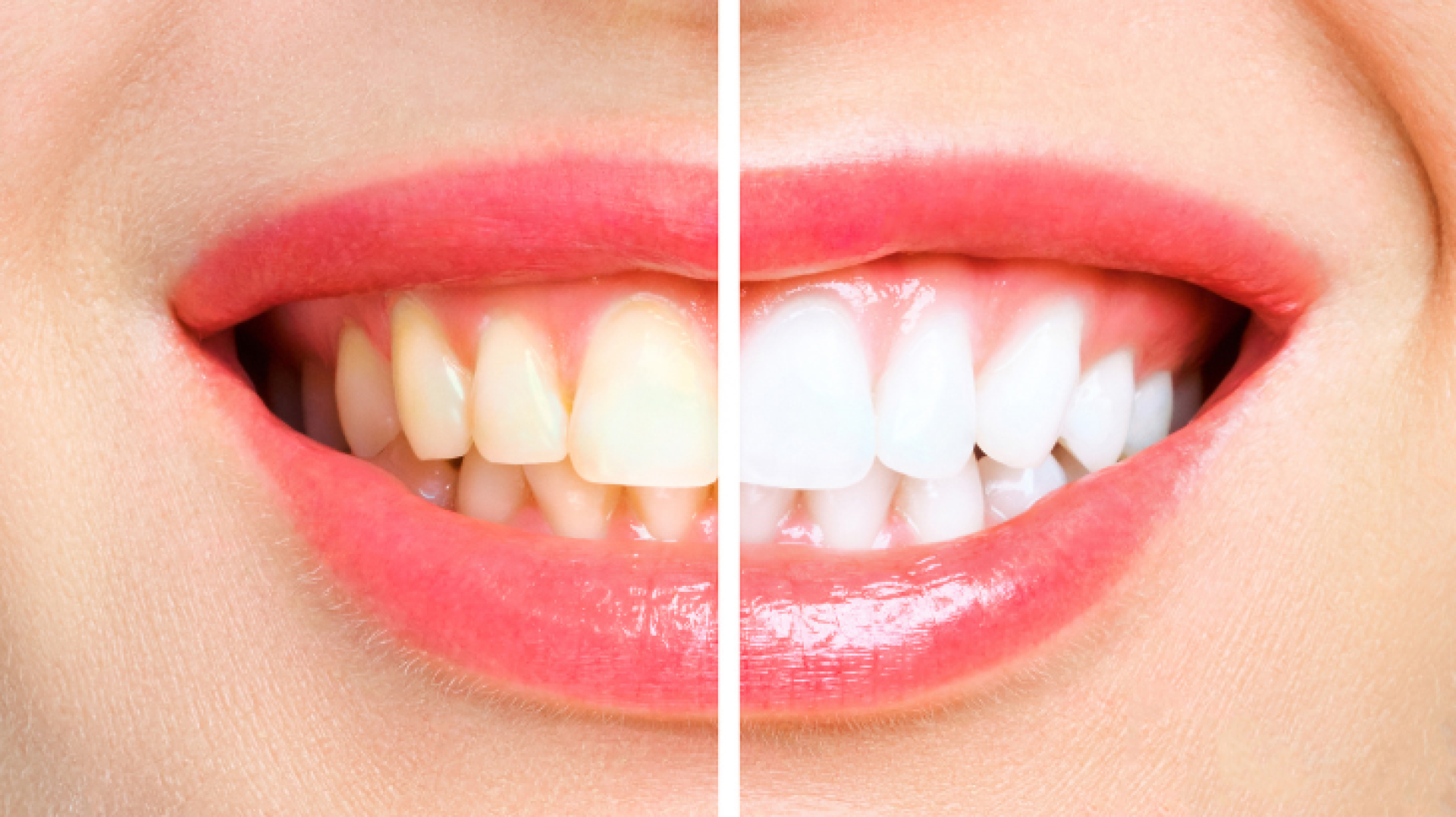
How to fix yellow teeth depends on the underlying cause of discoloration. If the yellowing comes from external stains caused by tea, coffee, smoking, or tartar buildup, proper brushing, whitening toothpaste, and professional dental scaling and polishing can often make teeth look noticeably brighter. However, if the discoloration originates inside the tooth, such as from age-related enamel thinning or certain medications, professional teeth whitening or veneers may deliver better results than home remedies. Popular remedies such as lemon juice and charcoal powder are not recommended because they can damage tooth enamel and potentially make teeth appear even more yellow.
Many people start wondering how to fix yellow teeth when they see themselves in photographs and notice that their smiles do not look as bright as they would like. This can happen even when they brush their teeth every day. Some people turn to online remedies, such as brushing with baking soda, rubbing lemon juice on their teeth, or using charcoal powder. Unfortunately, these methods may increase tooth sensitivity without producing noticeable improvements in tooth color.
The truth is that yellow teeth can have several different causes, and a method that works for one person may not work for another. This article explores the causes of yellow teeth, safe home care methods, common misconceptions to avoid, and professional treatment options available at dental clinics. A comparison table is also included to help you understand which methods are suitable for different situations, how long they take, and their estimated costs.
The information in this article is intended for general educational purposes. Since everyone's tooth color and oral health condition are different, it is important to consult a dentist before choosing a teeth whitening method, especially if you have tooth decay, gum inflammation, or existing tooth sensitivity.
What Causes Yellow Teeth? Understand the Causes Before Choosing a Treatment
The color of our teeth is influenced by two overlapping layers: enamel, the semi-translucent outer layer, and dentin, the underlying layer that naturally has a yellowish color.
When stains accumulate on the enamel or the enamel becomes thinner, allowing more of the yellowish dentin underneath to show through, teeth can appear more yellow than before.
Dentists generally classify tooth discoloration into two main categories.
Extrinsic Stains
Extrinsic stains develop on the outer surface of tooth enamel. They are among the most common types of discoloration and are generally easier to remove.
The main causes include dark-colored foods and beverages such as tea, coffee, Thai milk tea, red wine, dark-colored soft drinks, and various sauces.
Smoking is another major contributor because tar and nicotine can leave stubborn stains on the tooth surface.
Tartar buildup around the gumline is also a significant factor. Its rough surface easily absorbs pigments from food and beverages, resulting in yellow or brown deposits along the edges of the gums.
Intrinsic Stains
Intrinsic discoloration originates within the tooth structure itself and cannot be removed through ordinary brushing.
Common causes include:
Age-related enamel thinning: As people get older, enamel gradually becomes thinner, making the naturally yellow dentin underneath more visible.
Tetracycline staining: Exposure to tetracycline antibiotics during childhood, while permanent teeth are developing, may cause gray or brown bands across the teeth.
Dental fluorosis: Excessive fluoride exposure during childhood can cause white spots or brown discoloration on the teeth.
Dental trauma or previous root canal treatment: Teeth that have experienced an injury or undergone root canal treatment may gradually become darker.
Genetics: Some people naturally have darker dentin than others.
Some individuals experience a combination of both types of discoloration. For example, aging may cause enamel thinning, while drinking coffee every day contributes to additional external staining.
Understanding which type of discoloration you have is the most important first step in determining how to fix yellow teeth effectively.
A Quick Self-Check: What Type of Yellow Teeth Do You Have?
Although an accurate diagnosis requires a dental examination, you can initially assess your tooth discoloration by looking for the following signs:
Yellow or brown patches around the grooves, gumline, or back surfaces of the lower front teeth may indicate external stains or tartar buildup.
Uniform yellowing across the entire tooth that gradually becomes more noticeable with age may be related to enamel thinning.
Gray or brown horizontal bands across several teeth may indicate tetracycline staining.
Scattered cloudy white or brown spots on the tooth surface may be signs of dental fluorosis.
One tooth that appears noticeably darker than the surrounding teeth may have experienced previous trauma or problems involving the dental pulp and should be examined by a dentist.
If you notice brown or black spots that appear to form cavities, or experience sensitivity when consuming sweet foods, the problem may be tooth decay rather than simple staining.
Learn more about What Causes Tooth Decay? and seek treatment before considering teeth whitening.
How to Fix Yellow Teeth at Home: Safe and Effective Methods
For mild to moderate external stains, improving your daily oral hygiene routine can genuinely help make your teeth look cleaner and brighter.
Although home care will not whiten teeth by several shades like professional whitening treatments, it provides the foundation for maintaining good oral health and achieving better whitening results.
Steps to Keep Your Teeth Clean and Bright at Home
Brush your teeth at least twice a day for two minutes each time. Use a soft-bristled toothbrush and gentle, short circular motions. Avoid brushing too aggressively, as excessive pressure can wear down enamel and contribute to gum recession.
Use fluoride toothpaste. Fluoride helps strengthen tooth enamel and reduces the risk of tooth decay and sensitivity.
Floss or use interdental brushes daily. Plaque and stains can accumulate between teeth where a regular toothbrush cannot reach, potentially contributing to tartar buildup.
Rinse your mouth with water after drinking tea, coffee, or wine. This helps reduce the amount of time pigments remain in contact with your teeth.
Use a straw when drinking dark-colored or cold beverages. This can help reduce direct contact between the drink and your front teeth.
Wait approximately 30 minutes after consuming acidic foods or drinks before brushing. Acids temporarily soften the enamel surface, and brushing immediately afterward may increase enamel wear.
Reduce or quit smoking. This not only helps prevent tooth discoloration but also significantly reduces the risk of gum disease.
How Effective Are Whitening Toothpaste and Teeth Whitening Strips?
Whitening Toothpaste
Most whitening toothpastes work by using mild abrasives or other ingredients that help remove external stains from the tooth surface.
They can make teeth appear brighter when discoloration is caused by tea or coffee stains. Some products also contain ingredients that temporarily reflect light, making teeth appear whiter.
However, whitening toothpaste does not change the natural color of the dentin underneath the enamel.
One important consideration is that some formulas contain highly abrasive ingredients. When combined with aggressive brushing, they may contribute to enamel wear and long-term tooth sensitivity.
Over-the-Counter Whitening Strips and Whitening Gels
These products contain whitening agents at relatively low concentrations and may gradually improve tooth color when used consistently according to the manufacturer's instructions.
However, they have several limitations:
Whitening strips may not fit the teeth properly, resulting in uneven whitening.
Whitening agents may come into contact with the gums and cause irritation.
Users may not realize they have cavities or existing cracks that could lead to severe sensitivity during treatment.
If you choose to use these products, select products approved by the Thai Food and Drug Administration (Thai FDA), follow the instructions carefully, and discontinue use immediately if you experience significant tooth sensitivity or gum irritation.
Common Teeth Whitening Myths You Should Stop Believing
When searching for ways to fix yellow teeth, you may come across numerous natural remedies that sound harmless but can actually cause more damage than benefits.
Rubbing teeth with lemon juice or vinegar: The acids in these substances can directly erode tooth enamel. As enamel becomes thinner, the yellow dentin underneath becomes more visible, potentially making teeth look even yellower and increasing sensitivity over time.
Brushing frequently with baking soda: Baking soda may help remove some surface stains, but excessive use or aggressive brushing can wear down the tooth surface and make it rougher, allowing stains to accumulate more easily.
Brushing with charcoal powder: Charcoal powder can be abrasive, and there is insufficient clear evidence that it safely whitens teeth. Fine particles may also accumulate around dental fillings or along the gumline.
Rinsing with over-the-counter hydrogen peroxide: Using an inappropriate concentration may irritate or burn the soft tissues inside the mouth.
Oil pulling with coconut oil: This practice is not generally considered directly harmful, but there is insufficient evidence that it whitens teeth. It should never replace regular toothbrushing.
Dental Scaling and Polishing: An Often-Overlooked First Step
Many people assume that professional teeth whitening is necessary to remove yellow discoloration. However, in many cases, simply having dental scaling and polishing at a clinic can make teeth look noticeably brighter.
This is because the yellow appearance may actually come from thick layers of tartar and external stains rather than the natural color of the teeth.
Dental scaling removes tartar deposits from above and below the gumline, while polishing helps remove stains from tea, coffee, and tobacco, leaving the tooth surfaces smoother and less likely to accumulate plaque and stains.
Another benefit is that these procedures help reduce gum inflammation.
If you also experience bleeding gums when brushing, read more about Gingivitis Treatment Methods. Healthy gums are an essential foundation for a clean and attractive smile.
Most dentists recommend professional scaling every 6 months to 1 year, depending on individual oral health needs.
It is also advisable to have scaling and polishing before professional teeth whitening because removing tartar allows whitening agents to come into better contact with the tooth surface.
Professional Teeth Whitening (In-Office Whitening): Who Is It Suitable For?
Professional in-office teeth whitening uses bleaching gels with higher concentrations of active ingredients than most over-the-counter products.
Before applying the whitening gel, the dentist protects the gums with a special barrier. The whitening gel is then applied to the tooth surfaces.
Some whitening systems use light to activate or accelerate the whitening process. The treatment can produce noticeable results in a single appointment, typically taking approximately 1 to 2 hours.
This method is suitable for people whose teeth have become yellow due to age-related enamel thinning or deep-set stains, as well as those who want faster results before special occasions, such as weddings or important photo sessions.
Another advantage is that the entire procedure is supervised by a dental professional to help ensure safety.
However, temporary tooth sensitivity may occur during the first 1 to 2 days after treatment. The degree of whitening also varies depending on each person's original tooth shade.
Dentist-Supervised At-Home Teeth Whitening (Take-Home Whitening)
Another option is at-home teeth whitening under the supervision of a dentist.
The dental clinic will take an impression of your teeth to create a custom-fitted whitening tray. You will then receive a whitening gel with an appropriate concentration and instructions on how long to wear the tray each day.
The treatment generally takes approximately 2 to 4 weeks of consistent use.
One advantage is that the teeth gradually become whiter and more evenly over time. Tooth sensitivity is often less noticeable than with intensive in-office whitening.
You can also keep the whitening trays and use them for occasional touch-ups in the future, according to your dentist's recommendations.
However, this method requires consistency to achieve the desired results.
Many dental clinics also offer a combination approach, starting with one in-office whitening session followed by an at-home whitening kit to help maintain the results for longer.
Veneers and Dental Bonding: Options for Teeth That Do Not Respond to Whitening
Severe tetracycline staining, prominent fluorosis spots, and teeth that have become dark after root canal treatment may not respond well to conventional whitening procedures.
In these cases, dentists may recommend composite bonding or veneers.
Composite Bonding involves applying tooth-colored composite resin directly to the tooth surface to cover discoloration.
Veneers are thin shells made from porcelain or composite materials that are bonded to the front surfaces of the teeth to improve their appearance.
Both options can provide significant cosmetic improvements and may also change the shape of the teeth.
However, some types of veneers require removing a small amount of natural enamel. This makes the procedure irreversible.
Before making a decision, discuss the benefits, limitations, and long-term maintenance requirements with your dentist.
Additionally, if you have crowded or misaligned teeth, correcting the alignment first may sometimes produce a more natural-looking result.
Comparison Table: How to Fix Yellow Teeth at Home or at a Dental Clinic
Treatment Method
Best For
Expected Results
Treatment Time
Estimated Cost
Tooth Sensitivity
Home care + whitening toothpaste
Mild external stains
Slightly brighter appearance; does not change natural dentin color
Several weeks of consistent use
Standard toothpaste price
Low, if brushing is gentle
Over-the-counter whitening strips or gels
External stains and mild yellowing
Some improvement; results may be uneven
According to product instructions, approximately 1–2 weeks
Hundreds to thousands of THB
Moderate; gum irritation may occur
Dental scaling + polishing
Tartar and tea, coffee, or tobacco stains
Noticeably cleaner teeth, restoring their natural shade
One appointment, approximately 30–60 minutes
Hundreds to approximately 1,500 THB
Low; temporary sensitivity may occur
In-office teeth whitening
Age-related enamel thinning and deep-set stains
Noticeably whiter teeth in one session
Approximately 1–2 hours
Several thousand to around 10,000 THB or more
Moderate; usually resolves within 1–2 days
Dentist-supervised take-home whitening
General tooth discoloration requiring gradual, even whitening
Gradual and more uniform whitening
Approximately 2–4 weeks
Several thousand THB
Low to moderate
Composite bonding / veneers
Tetracycline stains, fluorosis, and darkened teeth
Covers discoloration and can improve tooth shape
1–3 appointments
Thousands to tens of thousands of THB per tooth
Depends on the procedure and whether enamel reduction is required
Note: The prices listed above are approximate market estimates intended for preliminary budgeting. Actual costs depend on tooth condition, the number of teeth treated, materials, and the whitening system used. Always consult the dental clinic and have a dentist evaluate your teeth before proceeding.
Who Should Avoid Teeth Whitening or Delay Treatment?
Teeth whitening is generally safe when performed under professional dental supervision. However, certain individuals should postpone treatment or consider alternative options.
People with untreated cavities or cracked teeth: Whitening agents may penetrate damaged areas and cause severe sensitivity or pain. Dental problems should be treated first, such as completing any necessary dental fillings.
People with gum inflammation, swollen gums, or gum recession exposing the tooth roots: These conditions may increase sensitivity. Gum health should be addressed before whitening. If you are unsure what causes swollen gums, consult a dentist for an examination.
Pregnant or breastfeeding women: Most dentists recommend postponing elective teeth whitening until after pregnancy and breastfeeding.
Children and teenagers whose teeth are still developing: Whitening should only be considered after an individual assessment and consultation with a dentist.
People with crowns, veneers, or tooth-colored fillings on their front teeth: These restorations do not change color during whitening, which may result in uneven tooth shades.
People undergoing traditional braces treatment: It is generally better to wait until the braces have been removed. For more information about discoloration during orthodontic treatment, read Yellow Teeth During Braces: Causes and Remedies.
How to Manage Tooth Sensitivity During and After Whitening
Tooth sensitivity after whitening is relatively common and is usually temporary.
The following steps may help improve comfort:
Use desensitizing toothpaste for approximately 1 to 2 weeks before and after whitening.
Avoid extremely hot or cold foods and beverages during the first 1 to 2 days after treatment.
Inform your dentist if you experience significant sensitivity so they can adjust the whitening gel concentration or tray-wearing time.
Do not increase the whitening gel application time on your own to achieve faster results. Doing so may increase sensitivity without producing proportionally better whitening results.
If sensitivity does not improve within a few days or you experience persistent throbbing pain, return to your dentist for an examination. There may be underlying cavities or cracks that were not identified before treatment.
Important Considerations Before Choosing a Teeth Whitening Treatment
Naturally white-looking teeth should complement your skin tone and the whites of your eyes. Your teeth do not need to be as white as possible.
Teeth whitening is not permanent. Your teeth may gradually become discolored again depending on your eating, drinking, and lifestyle habits.
Be cautious of whitening services that are not performed by dental professionals. They may use unregulated products without adequate gum protection.
Avoid combining multiple whitening products at the same time.
If you have fillings or crowns on your front teeth, discuss your treatment plan with your dentist because these restorations may need to be replaced to match your new tooth shade after whitening.
How to Maintain White Teeth After Treatment
Immediately after teeth whitening, particularly during the first 48 hours, teeth may be more susceptible to staining.
During this period, avoid tea, coffee, red wine, dark-colored sauces, curry, and smoking.
Afterward, you can gradually return to your usual diet. However, using a straw and rinsing your mouth with water after drinking dark-colored beverages are good habits to maintain.
Professional dental scaling every 6 months to 1 year can also help maintain a cleaner appearance.
For people using dentist-supervised whitening trays, occasional touch-ups may be performed according to their dentist's recommendations.
In general, teeth whitening results may last anywhere from several months to approximately 1 to 2 years, depending on individual habits and oral care routines.
Conclusion: How to Fix Yellow Teeth Safely and Effectively
The answer to how to fix yellow teeth starts with identifying the underlying cause of the discoloration.
If the yellowing comes from external stains or tartar buildup, proper brushing, daily flossing, and professional dental scaling and polishing can make a significant difference.
For intrinsic discoloration or people who want several shades of improvement, professional teeth whitening, either in-office or through dentist-supervised take-home trays, is generally a safer option than unverified natural remedies.
For stains that do not respond well to whitening, composite bonding or veneers may be considered.
Most importantly, avoid regularly using lemon juice, baking soda, or charcoal powder to scrub your teeth.
If you are unsure what type of discoloration you have or whether you should start with dental scaling or professional whitening, the dental team at Pasook Dental Clinic can examine your teeth and gums, assess your original tooth shade, and recommend a suitable whitening plan.
From professional dental cleaning to teeth whitening treatments, our team can help you achieve a naturally brighter smile while protecting your enamel.
Schedule a consultation to find out which treatment offers the best results for your dental needs.
Frequently Asked Questions (FAQ)
How can I fix yellow teeth and whiten them as quickly as possible?
The fastest option is professional in-office teeth whitening, which can produce noticeable results in a single appointment.
However, it is important to have your teeth examined and undergo dental scaling if necessary, as well as treating any existing cavities before whitening. This helps improve results and reduce the risk of sensitivity.
Do teeth become whiter after dental scaling?
If your yellow teeth are caused by tartar buildup and stains from tea, coffee, or smoking, dental scaling and polishing can make them look noticeably cleaner and brighter.
However, these procedures only restore the natural color of your teeth. They do not make teeth whiter than their original shade. If you want a significantly whiter appearance, additional teeth whitening treatment may be necessary.
Is teeth whitening dangerous? Does it make teeth thinner?
Professional teeth whitening performed under a dentist's supervision using approved products is generally considered safe and does not make teeth thinner.
The most common side effect is temporary tooth sensitivity, which usually resolves on its own within a few days.
Can I use whitening toothpaste every day?
Yes, provided you choose a reputable product and brush gently with a soft-bristled toothbrush.
If you begin experiencing tooth sensitivity, consider switching to desensitizing toothpaste or regular fluoride toothpaste.
How long do teeth whitening results last?
Generally, results can last from several months to approximately 1 to 2 years, depending on your consumption of tea and coffee, smoking habits, and oral hygiene routine.
Regular dental scaling and occasional touch-ups using dentist-supervised whitening trays can help maintain the results for longer.
Can teeth discolored by medication or dental fluorosis be whitened?
In some cases, yes. However, results may be uneven, particularly with severe tetracycline staining.
Your dentist may recommend combining whitening with composite bonding or veneers to cover the discoloration more effectively.
A dental examination is necessary to determine the most appropriate treatment for each individual.
Related Content

Wondering if everyone has wisdom teeth? Discover the truth about wisdom teeth, common symptoms, extraction procedures, and why some people never develop them at all.

Wondering how many types of impacted wisdom teeth there are? Learn about each type, severity levels, warning risks, and detailed treatment steps so you can prepare before visiting a dentist.

Second orthodontic treatment corrects recurring misaligned teeth effectively. Invisalign aligners offer convenience, comfort, and aesthetic results.