Check Now! Which Teeth Need Braces? Dental Problems You Shouldn’t Ignore
Last updated: 29 May 2026
1248 Views
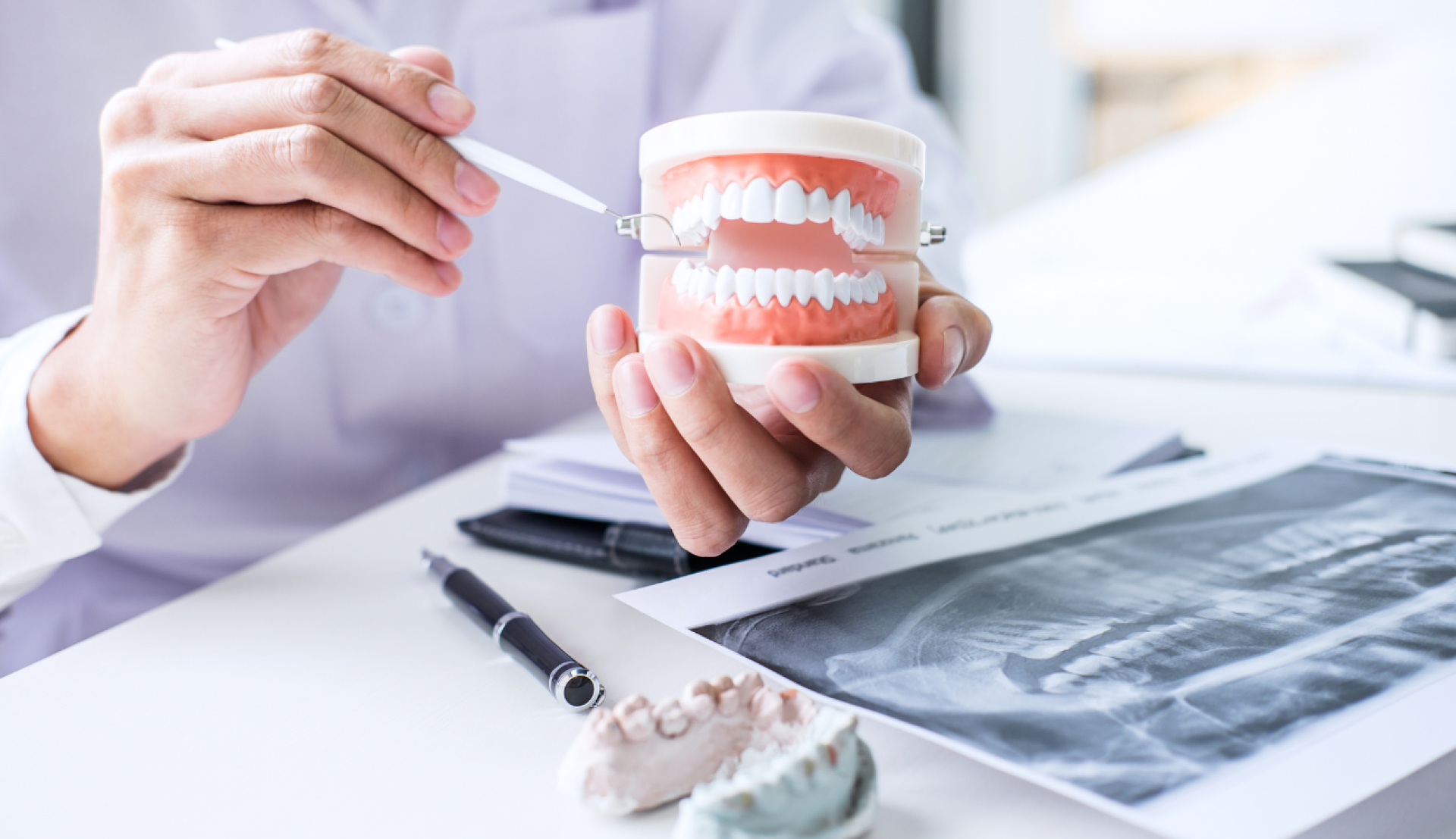
Having good oral health is not only about preventing cavities or bad breath. The alignment of your teeth and the way your bite fits together are equally important for overall dental health.
Many people often wonder which teeth need braces and whether orthodontic treatment is really necessary. In reality, braces are not just for cosmetic purposes. Orthodontic treatment helps improve chewing efficiency, maintain proper jaw function, and reduce the risk of gum disease and tooth decay in the future.
If you are unsure what kind of teeth need braces, this guide will help you identify common alignment problems and understand the potential consequences of leaving them untreated.
Why It’s Important to Know Which Teeth Need Braces
The alignment of your teeth directly affects how easily you can clean them. When teeth are misaligned or crowded, brushing and flossing become more difficult. This often leads to plaque buildup, cavities, and gum disease.
Understanding which teeth need braces helps you detect potential problems early before they develop into more serious conditions that require more complex and expensive treatments.
Orthodontists often recommend evaluating children’s dental development from around age seven, but adults can also benefit from orthodontic assessments at any stage of life.
8 Signs That Your Teeth May Need Braces
To help you identify potential orthodontic issues, here are eight common dental conditions that may require braces.
1. Crowded Teeth
Crowded teeth are one of the most common orthodontic problems. This occurs when there is not enough space in the jaw for all teeth to align properly, causing them to overlap, twist, or grow out of position.
Crowding creates hard-to-reach areas where toothbrushes and floss cannot clean effectively. As a result, it increases the risk of tooth decay and chronic gum inflammation.
2. Gapped Teeth
Gapped teeth occur when there are visible spaces between teeth. This may happen because the teeth are too small relative to the jaw, due to abnormal swallowing habits, or because a tooth is missing and surrounding teeth shift toward the empty space.
Besides affecting appearance, gaps can also trap food particles and increase the risk of gum irritation and inflammation.
3. Protruding Teeth (Overjet)
Protruding teeth occur when the upper front teeth extend significantly beyond the lower teeth. This condition, often referred to as buck teeth, can make it difficult to close the lips comfortably.
It also increases the risk of tooth fractures or chips during accidents because the front teeth are more exposed.
4. Underbite
An underbite happens when the lower teeth extend further forward than the upper teeth, affecting the overall facial structure. This condition can make the chin appear more prominent and may cause the face to look unbalanced.
Underbites often lead to inefficient chewing and may cause long-term jaw joint problems if left untreated.
5. Open Bite
An open bite occurs when the upper and lower teeth do not touch when biting down, leaving a visible gap between them.
This condition is often caused by childhood habits such as thumb sucking or tongue thrusting. People with an open bite may have difficulty biting foods like sandwiches or noodles using their front teeth.
6. Crossbite
A crossbite happens when the upper teeth bite inside the lower teeth, which can occur in either the front or back teeth.
This misalignment can cause uneven tooth wear, jaw discomfort, and even affect how the jaw grows over time if left untreated.
7. Deep Bite
A deep bite occurs when the upper front teeth excessively overlap the lower front teeth, sometimes covering them almost completely.
In severe cases, the lower teeth may press against the gum behind the upper teeth, leading to irritation or gum injury. Over time, it may also cause unusual tooth wear.
8. Misaligned Dental Midline
Another sign that braces may be needed is when the center line of the upper teeth does not align with the center line of the lower teeth or the face.
This may indicate a bite imbalance that can affect both appearance and jaw function over time.
What Happens If You Ignore the Signs That You Need Braces?
Many people overlook orthodontic problems because they think braces are only about appearance. In reality, misaligned teeth and bite problems can affect overall health more than expected. If you notice signs that indicate which teeth need braces but leave them untreated, several complications may occur.
Digestive Problems When teeth are misaligned, food may not be chewed properly. Poor chewing forces the stomach and digestive system to work harder, which may lead to digestive discomfort such as bloating, indigestion, or stomach irritation over time.
Jaw Pain and Headaches An improper bite can cause the chewing muscles to work excessively, putting extra strain on the jaw joints. This can lead to jaw pain, temporomandibular joint (TMJ) discomfort, and even headaches that extend to the temples or ears.
Premature Tooth Loss Teeth that are crowded or misaligned often experience uneven pressure during chewing. Over time, this can cause abnormal wear, tooth fractures, or severe gum disease, eventually leading to tooth loss earlier than expected.
Difficulty Maintaining Oral Hygiene Even with regular brushing, overlapping teeth create tight spaces where bacteria can accumulate. This makes it difficult to clean thoroughly and may result in bad breath, plaque buildup, and rapid tartar formation.
Steps to Prepare If You Think You Need Braces
If you have checked the symptoms and found that your teeth match the conditions mentioned above, there is no need to worry. Starting orthodontic treatment is often easier than many people expect. Here are the common steps to prepare for braces.
1. Schedule a Consultation
The first step is to book an appointment with a dentist or orthodontist. During this visit, the dentist will perform an initial oral examination to evaluate your teeth alignment and determine the severity of the problem.
2. Digital Examination and Records
The dentist will usually take dental X-rays to examine the structure of the tooth roots and jawbone. In addition, digital scans or dental impressions may be taken to create a detailed treatment plan and predict how your teeth will gradually move into the correct position.
3. Prepare Your Oral Health
Before braces can be placed, your dentist will ensure your mouth is in good condition. This may include professional teeth cleaning (scaling), filling cavities, or extracting certain teeth if necessary according to the orthodontic treatment plan.
4. Choose the Type of Braces
There are several orthodontic options available today, and the dentist will recommend the most suitable one for your case, such as:
Traditional metal braces
Self-ligating braces (Damon system), which may help teeth move more efficiently
Clear aligners, designed for patients who prefer a more discreet and aesthetic option
Selecting the right orthodontic method ensures that your treatment is both effective and suited to your lifestyle and dental condition.
Conclusion: Which Teeth Need Braces?
Understanding which teeth need braces is the key to planning proper dental care. Orthodontic treatment is not only about fashion or improving appearance; it focuses on correcting the underlying structure of the teeth and bite so they can function properly and last longer. By addressing alignment problems early, you can protect your oral health and maintain a strong, healthy smile for years to come. That’s why investing in orthodontic treatment is also an investment in your long-term well-being.
If you notice warning signs in your teeth but are still unsure whether braces are necessary, or if you would like professional advice on the most suitable treatment, Pasook Dental Clinic is here to help. Our experienced dentists provide personalized consultations and specialized orthodontic care tailored to each patient’s needs.
Pasook Dental Clinic follows international standards for cleanliness and safety and is equipped with modern dental technology to ensure accurate and effective treatment. With multiple convenient locations, you can easily access quality dental care. Our team is dedicated to providing attentive service and helping you achieve a beautiful smile and optimal oral health once again.
Many people often wonder which teeth need braces and whether orthodontic treatment is really necessary. In reality, braces are not just for cosmetic purposes. Orthodontic treatment helps improve chewing efficiency, maintain proper jaw function, and reduce the risk of gum disease and tooth decay in the future.
If you are unsure what kind of teeth need braces, this guide will help you identify common alignment problems and understand the potential consequences of leaving them untreated.
Why It’s Important to Know Which Teeth Need Braces
The alignment of your teeth directly affects how easily you can clean them. When teeth are misaligned or crowded, brushing and flossing become more difficult. This often leads to plaque buildup, cavities, and gum disease.
Understanding which teeth need braces helps you detect potential problems early before they develop into more serious conditions that require more complex and expensive treatments.
Orthodontists often recommend evaluating children’s dental development from around age seven, but adults can also benefit from orthodontic assessments at any stage of life.
8 Signs That Your Teeth May Need Braces
To help you identify potential orthodontic issues, here are eight common dental conditions that may require braces.
1. Crowded Teeth
Crowded teeth are one of the most common orthodontic problems. This occurs when there is not enough space in the jaw for all teeth to align properly, causing them to overlap, twist, or grow out of position.
Crowding creates hard-to-reach areas where toothbrushes and floss cannot clean effectively. As a result, it increases the risk of tooth decay and chronic gum inflammation.
2. Gapped Teeth
Gapped teeth occur when there are visible spaces between teeth. This may happen because the teeth are too small relative to the jaw, due to abnormal swallowing habits, or because a tooth is missing and surrounding teeth shift toward the empty space.
Besides affecting appearance, gaps can also trap food particles and increase the risk of gum irritation and inflammation.
3. Protruding Teeth (Overjet)
Protruding teeth occur when the upper front teeth extend significantly beyond the lower teeth. This condition, often referred to as buck teeth, can make it difficult to close the lips comfortably.
It also increases the risk of tooth fractures or chips during accidents because the front teeth are more exposed.
4. Underbite
An underbite happens when the lower teeth extend further forward than the upper teeth, affecting the overall facial structure. This condition can make the chin appear more prominent and may cause the face to look unbalanced.
Underbites often lead to inefficient chewing and may cause long-term jaw joint problems if left untreated.
5. Open Bite
An open bite occurs when the upper and lower teeth do not touch when biting down, leaving a visible gap between them.
This condition is often caused by childhood habits such as thumb sucking or tongue thrusting. People with an open bite may have difficulty biting foods like sandwiches or noodles using their front teeth.
6. Crossbite
A crossbite happens when the upper teeth bite inside the lower teeth, which can occur in either the front or back teeth.
This misalignment can cause uneven tooth wear, jaw discomfort, and even affect how the jaw grows over time if left untreated.
7. Deep Bite
A deep bite occurs when the upper front teeth excessively overlap the lower front teeth, sometimes covering them almost completely.
In severe cases, the lower teeth may press against the gum behind the upper teeth, leading to irritation or gum injury. Over time, it may also cause unusual tooth wear.
8. Misaligned Dental Midline
Another sign that braces may be needed is when the center line of the upper teeth does not align with the center line of the lower teeth or the face.
This may indicate a bite imbalance that can affect both appearance and jaw function over time.
What Happens If You Ignore the Signs That You Need Braces?
Many people overlook orthodontic problems because they think braces are only about appearance. In reality, misaligned teeth and bite problems can affect overall health more than expected. If you notice signs that indicate which teeth need braces but leave them untreated, several complications may occur.
Digestive Problems When teeth are misaligned, food may not be chewed properly. Poor chewing forces the stomach and digestive system to work harder, which may lead to digestive discomfort such as bloating, indigestion, or stomach irritation over time.
Jaw Pain and Headaches An improper bite can cause the chewing muscles to work excessively, putting extra strain on the jaw joints. This can lead to jaw pain, temporomandibular joint (TMJ) discomfort, and even headaches that extend to the temples or ears.
Premature Tooth Loss Teeth that are crowded or misaligned often experience uneven pressure during chewing. Over time, this can cause abnormal wear, tooth fractures, or severe gum disease, eventually leading to tooth loss earlier than expected.
Difficulty Maintaining Oral Hygiene Even with regular brushing, overlapping teeth create tight spaces where bacteria can accumulate. This makes it difficult to clean thoroughly and may result in bad breath, plaque buildup, and rapid tartar formation.
Steps to Prepare If You Think You Need Braces
If you have checked the symptoms and found that your teeth match the conditions mentioned above, there is no need to worry. Starting orthodontic treatment is often easier than many people expect. Here are the common steps to prepare for braces.
1. Schedule a Consultation
The first step is to book an appointment with a dentist or orthodontist. During this visit, the dentist will perform an initial oral examination to evaluate your teeth alignment and determine the severity of the problem.
2. Digital Examination and Records
The dentist will usually take dental X-rays to examine the structure of the tooth roots and jawbone. In addition, digital scans or dental impressions may be taken to create a detailed treatment plan and predict how your teeth will gradually move into the correct position.
3. Prepare Your Oral Health
Before braces can be placed, your dentist will ensure your mouth is in good condition. This may include professional teeth cleaning (scaling), filling cavities, or extracting certain teeth if necessary according to the orthodontic treatment plan.
4. Choose the Type of Braces
There are several orthodontic options available today, and the dentist will recommend the most suitable one for your case, such as:
Traditional metal braces
Self-ligating braces (Damon system), which may help teeth move more efficiently
Clear aligners, designed for patients who prefer a more discreet and aesthetic option
Selecting the right orthodontic method ensures that your treatment is both effective and suited to your lifestyle and dental condition.
Conclusion: Which Teeth Need Braces?
Understanding which teeth need braces is the key to planning proper dental care. Orthodontic treatment is not only about fashion or improving appearance; it focuses on correcting the underlying structure of the teeth and bite so they can function properly and last longer. By addressing alignment problems early, you can protect your oral health and maintain a strong, healthy smile for years to come. That’s why investing in orthodontic treatment is also an investment in your long-term well-being.
If you notice warning signs in your teeth but are still unsure whether braces are necessary, or if you would like professional advice on the most suitable treatment, Pasook Dental Clinic is here to help. Our experienced dentists provide personalized consultations and specialized orthodontic care tailored to each patient’s needs.
Pasook Dental Clinic follows international standards for cleanliness and safety and is equipped with modern dental technology to ensure accurate and effective treatment. With multiple convenient locations, you can easily access quality dental care. Our team is dedicated to providing attentive service and helping you achieve a beautiful smile and optimal oral health once again.
Related Content

Root canal treatment is more than just saving a tooth it’s about preserving your long-term oral health.

Looking for ways to fix tooth decay? Discover effective treatment options, at-home dental care tips, and ways to prevent cavities from coming back.
Noticed a hole in your tooth? Learn about the causes of tooth cavities, warning signs to watch for, and suitable treatment options before the damage becomes too severe to repair.