Tooth Cavity: What Should You Do? Recognize the Signs of Tooth Decay Before It Becomes Too Severe to Treat
Last updated: 17 Oct 2026
10 Views
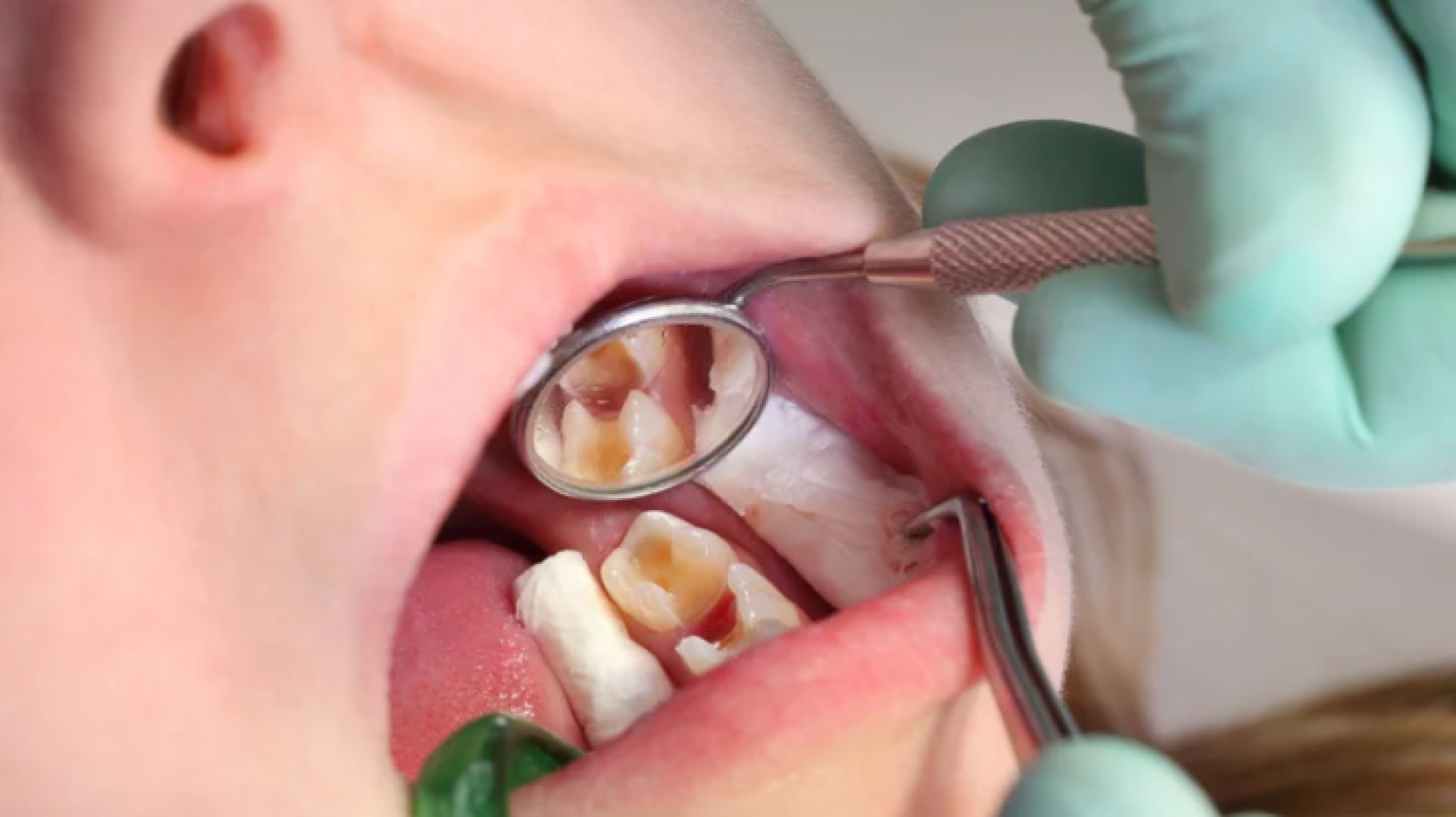
A tooth cavity develops when acids produced by bacteria dissolve the enamel and dentin, creating a permanent hole that the body cannot repair on its own. Early cavities often cause no pain and may appear as small black spots or tiny holes. Treatment typically involves removing the decayed tooth structure and filling the cavity. If the decay reaches the dental pulp, root canal treatment or tooth extraction may be necessary.
One day, you look in the mirror and notice a small black spot on a molar, or you feel a tiny hole that your tongue keeps catching on. This may be a sign that a tooth cavity has developed.
Many people choose to do nothing because the tooth does not hurt yet. Unfortunately, this is why many patients eventually visit a dental clinic when the cavity has become so deep that saving the tooth is more difficult.
The most important thing to understand is that once a cavity has formed, it will not disappear on its own or grow back like a wound on your skin. Enamel cannot regenerate lost tooth structure in the same way that skin can heal.
This article explains how cavities develop, how to recognize their stages, which treatments are available, how much time and money treatment may require, and how to prevent cavities from returning.
How Does a Tooth Cavity Develop?
Every time you eat foods containing carbohydrates or sugar, bacteria in dental plaque break down these substances and produce acids within minutes. These acids draw minerals, including calcium and phosphate, out of the enamel through a process called demineralization.
Under normal conditions, saliva helps neutralize acids and restore minerals to the enamel. This process is known as remineralization, and it can begin within minutes after an acid attack.
Problems arise when acid attacks occur more frequently than saliva can help repair the damage. For example, sipping sweetened milk tea throughout the afternoon or repeatedly snacking on crackers while working exposes your teeth to frequent acid attacks.
What many people do not realize is that the frequency of sugar consumption matters, not just the total amount consumed. Someone who eats a dessert in one sitting may experience fewer separate acid attacks than someone who sips a sugary drink repeatedly over eight hours, although the overall risk also depends on the amount of sugar and other oral health factors.
When mineral loss accumulates beyond what the enamel can recover from, the surface may eventually break down and form a cavity. At this point, the cavity can trap food particles and bacteria in areas that are difficult to clean with a toothbrush.
To understand the underlying mechanisms and risk factors in greater detail, read our article on what causes tooth decay.
Warning Signs Before a Cavity Becomes Visible
Before a cavity becomes clearly visible, your teeth may show several warning signs. Recognizing these symptoms early can make the difference between a simple filling and more extensive treatment, such as a root canal.
White Spots on the Tooth Surface
White, chalky spots are among the earliest visible signs of enamel demineralization. At this stage, minerals have started to leave the enamel beneath the surface, but the outer layer has not yet collapsed.
This is an important stage because the damage may still be reversible. Fluoride treatment, improved oral hygiene, and dietary changes can help remineralize the enamel. If the surface remains intact, a filling may not be necessary.
Tooth Sensitivity to Cold Foods or Sweet Drinks
When decay progresses through the enamel and reaches the dentin, tiny tubules within the dentin can transmit stimuli toward the dental pulp.
You may experience a brief, sharp sensation when drinking something cold or eating something sweet. If the sensitivity disappears within a few seconds after the stimulus is removed, the pulp may not be severely affected, although only a dental examination can determine the actual depth of the cavity.
Food Frequently Gets Stuck in the Same Spot
If food repeatedly becomes trapped in the same area after meals and you regularly need dental floss to remove it, there may be a cavity or another structural problem.
This is particularly common between adjacent teeth, where decay can be difficult to see without dental X-rays.
Persistent Localized Bad Breath
A cavity can trap food debris and bacteria, which may contribute to unpleasant odors. If a particular area consistently smells bad even after brushing, food accumulation, decay, gum disease, or another dental problem may be responsible.
However, bad breath alone cannot confirm that a cavity is present. A dental examination is needed to identify the cause.
Brown or Black Spots on the Teeth
Brown or black discoloration may occur when tooth structure has been damaged or when pigments accumulate in porous areas.
One important point is that the visible opening may be smaller than the actual damage underneath. Decay can spread sideways through the dentin beneath enamel that still appears relatively intact.
Different Types of Tooth Cavities and Where They Occur
The location of a cavity affects how difficult it is to detect and treat. Its position can be just as important as its depth.
Cavity Location
Commonly Affected Groups
Difficulty of Detection
Typical Treatment
Chewing surfaces of molars
People of all ages, especially children and teenagers
Usually visible during a mirror examination
Dental filling or preventive sealant when appropriate
Between adjacent teeth
People with inadequate interdental cleaning
Difficult to see; X-rays may be needed
Filling, sometimes requiring additional time and access
Near the gumline
Older adults and people with receding gums
May be visible when examining the gumline
Filling with a suitable restorative material
Beneath an existing filling
People with older dental restorations
Often difficult to detect visually; X-rays may help
Removal of the old restoration and replacement when indicated
On exposed tooth roots
Older adults and people with periodontal disease
May appear as a dark area near the gumline
Filling and management of the underlying gum condition
The most concerning cavity is not necessarily the largest one. A cavity that cannot be seen easily may be more dangerous because it can progress significantly before the patient notices it.
This is one reason routine dental examinations and X-rays, when recommended by a dentist, are valuable for detecting hidden decay.
What Happens When You Visit a Dentist for a Tooth Cavity?
Knowing what to expect can make your appointment less stressful. The process generally follows these steps.
Medical history and oral examination: The dentist asks about your symptoms and examines your teeth using a dental mirror and appropriate instruments to identify areas of damaged or softened tooth structure.
Dental X-rays, when necessary: X-rays can reveal decay between teeth, beneath existing restorations, and near the dental pulp. They also help the dentist assess how deep the cavity may be.
Treatment planning and cost estimation: The dentist explains the available options, estimated costs, and whether one or more appointments will be needed.
Local anesthesia, if required: For deeper cavities, local anesthesia may be used to keep you comfortable. Very shallow cavities may sometimes be treated without anesthesia.
Removal of decayed tooth structure: The dentist removes the damaged tissue using appropriate instruments. The aim is to manage the decay while preserving as much healthy tooth structure as possible.
Protective material, when appropriate: If the cavity is deep and close to the pulp, a suitable protective material or pulp-preserving procedure may be considered, depending on the diagnosis.
Placement of the filling: The chosen restorative material is placed and shaped to restore the tooth's function and contact with neighboring teeth. The dentist checks your bite and adjusts the filling if necessary.
Finishing and polishing: The restoration is smoothed to improve comfort and function and reduce areas where plaque can accumulate.
For shallow to moderately deep cavities, treatment can often be completed in one appointment, typically taking around 30–60 minutes per tooth, depending on the complexity.
If you are worried about discomfort, read our article on whether dental fillings hurt and what the procedure involves.
Which Dental Filling Material Should You Choose?
Two common categories of filling materials have different strengths. The best choice depends on the tooth's location, the size of the cavity, the forces placed on the tooth, and your budget.
Tooth-colored composite resin
Composite resin is widely used because its color can closely match natural teeth. It bonds to the tooth structure, often allowing the dentist to preserve more healthy tissue than with some traditional restoration techniques. In many cases, the filling can be completed in a single visit.
However, composite may wear or fracture under heavy chewing forces, particularly when used for large restorations in molars. It can also become stained over time, depending on dietary habits and oral hygiene.
Silver-colored amalgam
Dental amalgam is a durable material that has traditionally been used for fillings in back teeth. It can withstand chewing forces and has often been a relatively economical option.
Its disadvantages include its metallic appearance and the need for a suitable cavity shape to retain the material. Availability and recommendations may vary between clinics and countries.
When a regular filling is not enough
If the cavity is so large that only thin walls of tooth structure remain, a conventional filling may not provide sufficient protection.
Your dentist may recommend an inlay, onlay, or crown instead. These restorations can help restore strength and reduce the risk of fracture when appropriately selected for the condition of the tooth.
What Happens If You Leave a Tooth Cavity Untreated?
The short answer is that the decay may continue to progress, and the cost and complexity of treatment can increase significantly.
When decay spreads through the dentin and reaches the dental pulp, the tooth may develop spontaneous throbbing pain that becomes worse at night. At this stage, a simple filling may no longer be sufficient. Root canal treatment may be needed to remove damaged or infected pulp tissue and preserve the tooth.
If the infection progresses further, it may extend beyond the root tip, leading to an abscess and damage to the surrounding bone.
In some cases, tooth extraction becomes necessary because too little healthy tooth structure remains to restore the tooth predictably.
If a missing tooth is not replaced when replacement is indicated, neighboring teeth may gradually tilt into the space. This can contribute to tilted teeth and bite problems, potentially creating additional areas where food becomes trapped.
The Pros and Cons of Treating a Cavity Early Versus Waiting
Many people hesitate to seek treatment because the tooth does not hurt. Comparing the two options can make the decision clearer.
Treating the cavity early
Advantages:
Treatment is often simpler and can frequently be completed in one appointment.
Costs are generally lower than those associated with root canal treatment or extraction and replacement.
More healthy tooth structure can usually be preserved.
You reduce the risk of developing sudden, severe pain.
Disadvantages:
You need to spend time attending an appointment.
You must pay for treatment before symptoms become noticeable.
Waiting for symptoms to develop
The main perceived advantage is avoiding the immediate expense of treatment.
However, the disadvantages can be substantial:
The cavity may reach the pulp before you notice significant symptoms.
Treatment may become more expensive and require multiple visits.
The tooth may weaken or fracture.
You may experience severe pain unexpectedly, including at night or during public holidays.
The tooth may eventually become impossible to save.
Early treatment is generally the more predictable option because it addresses the problem before extensive damage develops.
How Are Cavities in Children Different From Those in Adults?
Primary teeth, also known as baby teeth, have thinner enamel and dentin than permanent teeth. As a result, decay can progress toward the pulp more quickly.
One common misconception is that baby teeth do not need treatment because they will eventually fall out.
In reality, infection around the roots of primary teeth can affect the developing permanent teeth underneath. In some cases, this may contribute to defects in the enamel of the permanent teeth as they develop.
Premature loss of a baby tooth can also allow neighboring teeth to drift into the space, reducing the room available for the permanent tooth to erupt properly.
To help prevent cavities in children:
Consider dental sealants for permanent molars when recommended by a dentist.
Use fluoride toothpaste in an age-appropriate amount.
Avoid allowing a child to fall asleep with a bottle containing milk or other sugary liquids.
Schedule regular dental checkups, generally every six months or as recommended by the dentist.
Seek dental care promptly when decay is suspected rather than waiting for the child to complain of pain.
How to Prevent Tooth Cavities From Returning
A filling repairs the existing cavity, but it does not eliminate the factors that caused the decay. If the same habits continue, new cavities may develop in other teeth.
Make the following practices part of your daily routine.
Brush twice daily with fluoride toothpaste. Brush for two minutes each time, especially before bedtime, when saliva production decreases during sleep.
Avoid rinsing excessively after brushing. Spit out the excess toothpaste and avoid rinsing with large amounts of water immediately afterward so that fluoride can remain on the teeth longer.
Floss daily. Cleaning between teeth helps remove plaque from areas that toothbrush bristles cannot reach.
Reduce frequent sugary snacks and drinks. If you choose to eat something sweet, having it with a meal rather than repeatedly throughout the day can reduce the frequency of acid attacks.
Drink water after consuming sugary or acidic foods and drinks. Water can help clear food debris and dilute acids in the mouth.
Wait before brushing after acidic foods or drinks. Wait approximately 30–60 minutes after a strongly acidic exposure before brushing, allowing softened enamel time to recover.
Attend regular dental checkups. Dental examinations and X-rays, when indicated, can help identify cavities between teeth before they become visible.
Consider sugar-free chewing gum after meals. When brushing is not possible, sugar-free gum can stimulate saliva production and help neutralize acids.
Who Should Take Action, and What Should You Do Next?
If you have just noticed a chalky white spot or a small dark mark but have no pain, arrange a dental examination soon. This is often the stage when treatment is simplest. Some early lesions may still be managed with fluoride and preventive care without drilling, provided the tooth surface has not broken down.
If you can see a definite hole and experience brief sensitivity to cold or sweet foods, arrange an appointment promptly. A filling may still be sufficient, depending on the depth of the decay.
However, if the tooth begins throbbing spontaneously, becomes painful at night, or is more sensitive to heat, seek dental care as soon as possible. These symptoms may indicate significant pulp inflammation or other complications. Do not wait for the pain to disappear on its own.
Conclusion
A tooth cavity is a form of permanent damage caused by acids produced by bacteria gradually dissolving the enamel and dentin. The key point to remember is that an established cavity will not heal itself and may continue to progress if left untreated.
Early white-spot lesions may be reversible with appropriate remineralization. Once a hole has formed, a filling is usually required. If the decay reaches the dental pulp, root canal treatment or extraction may be necessary, depending on the condition of the tooth.
Important warning signs include sensitivity to cold or sweet foods, food repeatedly getting stuck in the same area, and persistent localized bad breath. Preventive measures include brushing twice daily with fluoride toothpaste, flossing every day, and reducing how frequently you consume sugary foods and drinks.
If you have noticed a hole in your tooth but are unsure how deep it is, or your tooth remains sensitive after a filling, a dental examination and X-rays, when appropriate, can provide a clearer answer than trying to assess the problem in a mirror.
At Pasook Dental Clinic, patients can consult dentists about fillings and restorative dental treatment. Digital dental X-rays can help identify decay between teeth that may not be visible to the naked eye. The clinic has multiple branches and provides information about treatment plans and associated costs before treatment begins, helping patients make informed decisions about their dental care.
Frequently Asked Questions (FAQ)
1. Can a tooth cavity heal on its own?
No. Once the enamel surface has broken down and a cavity has formed, the lost tooth structure cannot grow back naturally.
However, an early white-spot lesion, before the surface collapses, may be remineralized with fluoride and appropriate changes to oral hygiene and dietary habits. A dentist can determine whether the lesion is suitable for non-invasive treatment.
2. My tooth has a hole, but it does not hurt. Do I still need a filling?
Yes, you should have it examined promptly. The absence of pain does not necessarily mean the cavity is shallow. Tooth decay can progress significantly before it causes noticeable symptoms.
Treating a cavity before it reaches the pulp is generally less complicated and less expensive than treating advanced decay.
3. How many years does a dental filling last?
The lifespan of a filling varies according to its material, size, location, chewing forces, and the patient's oral hygiene.
Composite fillings may last around 5–10 years or longer, while amalgam fillings can sometimes last 10–15 years or longer. These are general estimates rather than guarantees. Large fillings and fillings exposed to heavy chewing forces may need replacement sooner.
4. Why can a tooth develop decay again under an existing filling?
Recurrent decay can develop around a restoration if the seal between the filling and the tooth deteriorates or if plaque accumulates along the margins. Other contributing factors include frequent sugar exposure and inadequate oral hygiene.
Replacing the filling may be necessary, but prevention also requires addressing the underlying causes of decay.
5. Can a very large cavity still be filled?
It depends on how much healthy tooth structure remains and whether the pulp has been affected.
If sufficient strong tooth structure remains, a filling may still be appropriate. If the remaining walls are too weak, a dentist may recommend an inlay, onlay, or crown to restore strength and reduce the risk of fracture.
If the pulp is irreversibly inflamed or infected, root canal treatment may be needed before the tooth can be restored.
6. Does a baby tooth with a cavity need treatment if it will eventually fall out?
Yes. Untreated decay can cause pain and infection, and infection around the roots of baby teeth may affect the developing permanent teeth underneath.
Losing a baby tooth too early can also allow neighboring teeth to move into the gap, potentially affecting the position of the permanent tooth. A dentist can recommend the most appropriate treatment based on the child's age, the severity of the decay, and how soon the tooth is expected to fall out.
One day, you look in the mirror and notice a small black spot on a molar, or you feel a tiny hole that your tongue keeps catching on. This may be a sign that a tooth cavity has developed.
Many people choose to do nothing because the tooth does not hurt yet. Unfortunately, this is why many patients eventually visit a dental clinic when the cavity has become so deep that saving the tooth is more difficult.
The most important thing to understand is that once a cavity has formed, it will not disappear on its own or grow back like a wound on your skin. Enamel cannot regenerate lost tooth structure in the same way that skin can heal.
This article explains how cavities develop, how to recognize their stages, which treatments are available, how much time and money treatment may require, and how to prevent cavities from returning.
How Does a Tooth Cavity Develop?
Every time you eat foods containing carbohydrates or sugar, bacteria in dental plaque break down these substances and produce acids within minutes. These acids draw minerals, including calcium and phosphate, out of the enamel through a process called demineralization.
Under normal conditions, saliva helps neutralize acids and restore minerals to the enamel. This process is known as remineralization, and it can begin within minutes after an acid attack.
Problems arise when acid attacks occur more frequently than saliva can help repair the damage. For example, sipping sweetened milk tea throughout the afternoon or repeatedly snacking on crackers while working exposes your teeth to frequent acid attacks.
What many people do not realize is that the frequency of sugar consumption matters, not just the total amount consumed. Someone who eats a dessert in one sitting may experience fewer separate acid attacks than someone who sips a sugary drink repeatedly over eight hours, although the overall risk also depends on the amount of sugar and other oral health factors.
When mineral loss accumulates beyond what the enamel can recover from, the surface may eventually break down and form a cavity. At this point, the cavity can trap food particles and bacteria in areas that are difficult to clean with a toothbrush.
To understand the underlying mechanisms and risk factors in greater detail, read our article on what causes tooth decay.
Warning Signs Before a Cavity Becomes Visible
Before a cavity becomes clearly visible, your teeth may show several warning signs. Recognizing these symptoms early can make the difference between a simple filling and more extensive treatment, such as a root canal.
White Spots on the Tooth Surface
White, chalky spots are among the earliest visible signs of enamel demineralization. At this stage, minerals have started to leave the enamel beneath the surface, but the outer layer has not yet collapsed.
This is an important stage because the damage may still be reversible. Fluoride treatment, improved oral hygiene, and dietary changes can help remineralize the enamel. If the surface remains intact, a filling may not be necessary.
Tooth Sensitivity to Cold Foods or Sweet Drinks
When decay progresses through the enamel and reaches the dentin, tiny tubules within the dentin can transmit stimuli toward the dental pulp.
You may experience a brief, sharp sensation when drinking something cold or eating something sweet. If the sensitivity disappears within a few seconds after the stimulus is removed, the pulp may not be severely affected, although only a dental examination can determine the actual depth of the cavity.
Food Frequently Gets Stuck in the Same Spot
If food repeatedly becomes trapped in the same area after meals and you regularly need dental floss to remove it, there may be a cavity or another structural problem.
This is particularly common between adjacent teeth, where decay can be difficult to see without dental X-rays.
Persistent Localized Bad Breath
A cavity can trap food debris and bacteria, which may contribute to unpleasant odors. If a particular area consistently smells bad even after brushing, food accumulation, decay, gum disease, or another dental problem may be responsible.
However, bad breath alone cannot confirm that a cavity is present. A dental examination is needed to identify the cause.
Brown or Black Spots on the Teeth
Brown or black discoloration may occur when tooth structure has been damaged or when pigments accumulate in porous areas.
One important point is that the visible opening may be smaller than the actual damage underneath. Decay can spread sideways through the dentin beneath enamel that still appears relatively intact.
Different Types of Tooth Cavities and Where They Occur
The location of a cavity affects how difficult it is to detect and treat. Its position can be just as important as its depth.
Cavity Location
Commonly Affected Groups
Difficulty of Detection
Typical Treatment
Chewing surfaces of molars
People of all ages, especially children and teenagers
Usually visible during a mirror examination
Dental filling or preventive sealant when appropriate
Between adjacent teeth
People with inadequate interdental cleaning
Difficult to see; X-rays may be needed
Filling, sometimes requiring additional time and access
Near the gumline
Older adults and people with receding gums
May be visible when examining the gumline
Filling with a suitable restorative material
Beneath an existing filling
People with older dental restorations
Often difficult to detect visually; X-rays may help
Removal of the old restoration and replacement when indicated
On exposed tooth roots
Older adults and people with periodontal disease
May appear as a dark area near the gumline
Filling and management of the underlying gum condition
The most concerning cavity is not necessarily the largest one. A cavity that cannot be seen easily may be more dangerous because it can progress significantly before the patient notices it.
This is one reason routine dental examinations and X-rays, when recommended by a dentist, are valuable for detecting hidden decay.
What Happens When You Visit a Dentist for a Tooth Cavity?
Knowing what to expect can make your appointment less stressful. The process generally follows these steps.
Medical history and oral examination: The dentist asks about your symptoms and examines your teeth using a dental mirror and appropriate instruments to identify areas of damaged or softened tooth structure.
Dental X-rays, when necessary: X-rays can reveal decay between teeth, beneath existing restorations, and near the dental pulp. They also help the dentist assess how deep the cavity may be.
Treatment planning and cost estimation: The dentist explains the available options, estimated costs, and whether one or more appointments will be needed.
Local anesthesia, if required: For deeper cavities, local anesthesia may be used to keep you comfortable. Very shallow cavities may sometimes be treated without anesthesia.
Removal of decayed tooth structure: The dentist removes the damaged tissue using appropriate instruments. The aim is to manage the decay while preserving as much healthy tooth structure as possible.
Protective material, when appropriate: If the cavity is deep and close to the pulp, a suitable protective material or pulp-preserving procedure may be considered, depending on the diagnosis.
Placement of the filling: The chosen restorative material is placed and shaped to restore the tooth's function and contact with neighboring teeth. The dentist checks your bite and adjusts the filling if necessary.
Finishing and polishing: The restoration is smoothed to improve comfort and function and reduce areas where plaque can accumulate.
For shallow to moderately deep cavities, treatment can often be completed in one appointment, typically taking around 30–60 minutes per tooth, depending on the complexity.
If you are worried about discomfort, read our article on whether dental fillings hurt and what the procedure involves.
Which Dental Filling Material Should You Choose?
Two common categories of filling materials have different strengths. The best choice depends on the tooth's location, the size of the cavity, the forces placed on the tooth, and your budget.
Tooth-colored composite resin
Composite resin is widely used because its color can closely match natural teeth. It bonds to the tooth structure, often allowing the dentist to preserve more healthy tissue than with some traditional restoration techniques. In many cases, the filling can be completed in a single visit.
However, composite may wear or fracture under heavy chewing forces, particularly when used for large restorations in molars. It can also become stained over time, depending on dietary habits and oral hygiene.
Silver-colored amalgam
Dental amalgam is a durable material that has traditionally been used for fillings in back teeth. It can withstand chewing forces and has often been a relatively economical option.
Its disadvantages include its metallic appearance and the need for a suitable cavity shape to retain the material. Availability and recommendations may vary between clinics and countries.
When a regular filling is not enough
If the cavity is so large that only thin walls of tooth structure remain, a conventional filling may not provide sufficient protection.
Your dentist may recommend an inlay, onlay, or crown instead. These restorations can help restore strength and reduce the risk of fracture when appropriately selected for the condition of the tooth.
What Happens If You Leave a Tooth Cavity Untreated?
The short answer is that the decay may continue to progress, and the cost and complexity of treatment can increase significantly.
When decay spreads through the dentin and reaches the dental pulp, the tooth may develop spontaneous throbbing pain that becomes worse at night. At this stage, a simple filling may no longer be sufficient. Root canal treatment may be needed to remove damaged or infected pulp tissue and preserve the tooth.
If the infection progresses further, it may extend beyond the root tip, leading to an abscess and damage to the surrounding bone.
In some cases, tooth extraction becomes necessary because too little healthy tooth structure remains to restore the tooth predictably.
If a missing tooth is not replaced when replacement is indicated, neighboring teeth may gradually tilt into the space. This can contribute to tilted teeth and bite problems, potentially creating additional areas where food becomes trapped.
The Pros and Cons of Treating a Cavity Early Versus Waiting
Many people hesitate to seek treatment because the tooth does not hurt. Comparing the two options can make the decision clearer.
Treating the cavity early
Advantages:
Treatment is often simpler and can frequently be completed in one appointment.
Costs are generally lower than those associated with root canal treatment or extraction and replacement.
More healthy tooth structure can usually be preserved.
You reduce the risk of developing sudden, severe pain.
Disadvantages:
You need to spend time attending an appointment.
You must pay for treatment before symptoms become noticeable.
Waiting for symptoms to develop
The main perceived advantage is avoiding the immediate expense of treatment.
However, the disadvantages can be substantial:
The cavity may reach the pulp before you notice significant symptoms.
Treatment may become more expensive and require multiple visits.
The tooth may weaken or fracture.
You may experience severe pain unexpectedly, including at night or during public holidays.
The tooth may eventually become impossible to save.
Early treatment is generally the more predictable option because it addresses the problem before extensive damage develops.
How Are Cavities in Children Different From Those in Adults?
Primary teeth, also known as baby teeth, have thinner enamel and dentin than permanent teeth. As a result, decay can progress toward the pulp more quickly.
One common misconception is that baby teeth do not need treatment because they will eventually fall out.
In reality, infection around the roots of primary teeth can affect the developing permanent teeth underneath. In some cases, this may contribute to defects in the enamel of the permanent teeth as they develop.
Premature loss of a baby tooth can also allow neighboring teeth to drift into the space, reducing the room available for the permanent tooth to erupt properly.
To help prevent cavities in children:
Consider dental sealants for permanent molars when recommended by a dentist.
Use fluoride toothpaste in an age-appropriate amount.
Avoid allowing a child to fall asleep with a bottle containing milk or other sugary liquids.
Schedule regular dental checkups, generally every six months or as recommended by the dentist.
Seek dental care promptly when decay is suspected rather than waiting for the child to complain of pain.
How to Prevent Tooth Cavities From Returning
A filling repairs the existing cavity, but it does not eliminate the factors that caused the decay. If the same habits continue, new cavities may develop in other teeth.
Make the following practices part of your daily routine.
Brush twice daily with fluoride toothpaste. Brush for two minutes each time, especially before bedtime, when saliva production decreases during sleep.
Avoid rinsing excessively after brushing. Spit out the excess toothpaste and avoid rinsing with large amounts of water immediately afterward so that fluoride can remain on the teeth longer.
Floss daily. Cleaning between teeth helps remove plaque from areas that toothbrush bristles cannot reach.
Reduce frequent sugary snacks and drinks. If you choose to eat something sweet, having it with a meal rather than repeatedly throughout the day can reduce the frequency of acid attacks.
Drink water after consuming sugary or acidic foods and drinks. Water can help clear food debris and dilute acids in the mouth.
Wait before brushing after acidic foods or drinks. Wait approximately 30–60 minutes after a strongly acidic exposure before brushing, allowing softened enamel time to recover.
Attend regular dental checkups. Dental examinations and X-rays, when indicated, can help identify cavities between teeth before they become visible.
Consider sugar-free chewing gum after meals. When brushing is not possible, sugar-free gum can stimulate saliva production and help neutralize acids.
Who Should Take Action, and What Should You Do Next?
If you have just noticed a chalky white spot or a small dark mark but have no pain, arrange a dental examination soon. This is often the stage when treatment is simplest. Some early lesions may still be managed with fluoride and preventive care without drilling, provided the tooth surface has not broken down.
If you can see a definite hole and experience brief sensitivity to cold or sweet foods, arrange an appointment promptly. A filling may still be sufficient, depending on the depth of the decay.
However, if the tooth begins throbbing spontaneously, becomes painful at night, or is more sensitive to heat, seek dental care as soon as possible. These symptoms may indicate significant pulp inflammation or other complications. Do not wait for the pain to disappear on its own.
Conclusion
A tooth cavity is a form of permanent damage caused by acids produced by bacteria gradually dissolving the enamel and dentin. The key point to remember is that an established cavity will not heal itself and may continue to progress if left untreated.
Early white-spot lesions may be reversible with appropriate remineralization. Once a hole has formed, a filling is usually required. If the decay reaches the dental pulp, root canal treatment or extraction may be necessary, depending on the condition of the tooth.
Important warning signs include sensitivity to cold or sweet foods, food repeatedly getting stuck in the same area, and persistent localized bad breath. Preventive measures include brushing twice daily with fluoride toothpaste, flossing every day, and reducing how frequently you consume sugary foods and drinks.
If you have noticed a hole in your tooth but are unsure how deep it is, or your tooth remains sensitive after a filling, a dental examination and X-rays, when appropriate, can provide a clearer answer than trying to assess the problem in a mirror.
At Pasook Dental Clinic, patients can consult dentists about fillings and restorative dental treatment. Digital dental X-rays can help identify decay between teeth that may not be visible to the naked eye. The clinic has multiple branches and provides information about treatment plans and associated costs before treatment begins, helping patients make informed decisions about their dental care.
Frequently Asked Questions (FAQ)
1. Can a tooth cavity heal on its own?
No. Once the enamel surface has broken down and a cavity has formed, the lost tooth structure cannot grow back naturally.
However, an early white-spot lesion, before the surface collapses, may be remineralized with fluoride and appropriate changes to oral hygiene and dietary habits. A dentist can determine whether the lesion is suitable for non-invasive treatment.
2. My tooth has a hole, but it does not hurt. Do I still need a filling?
Yes, you should have it examined promptly. The absence of pain does not necessarily mean the cavity is shallow. Tooth decay can progress significantly before it causes noticeable symptoms.
Treating a cavity before it reaches the pulp is generally less complicated and less expensive than treating advanced decay.
3. How many years does a dental filling last?
The lifespan of a filling varies according to its material, size, location, chewing forces, and the patient's oral hygiene.
Composite fillings may last around 5–10 years or longer, while amalgam fillings can sometimes last 10–15 years or longer. These are general estimates rather than guarantees. Large fillings and fillings exposed to heavy chewing forces may need replacement sooner.
4. Why can a tooth develop decay again under an existing filling?
Recurrent decay can develop around a restoration if the seal between the filling and the tooth deteriorates or if plaque accumulates along the margins. Other contributing factors include frequent sugar exposure and inadequate oral hygiene.
Replacing the filling may be necessary, but prevention also requires addressing the underlying causes of decay.
5. Can a very large cavity still be filled?
It depends on how much healthy tooth structure remains and whether the pulp has been affected.
If sufficient strong tooth structure remains, a filling may still be appropriate. If the remaining walls are too weak, a dentist may recommend an inlay, onlay, or crown to restore strength and reduce the risk of fracture.
If the pulp is irreversibly inflamed or infected, root canal treatment may be needed before the tooth can be restored.
6. Does a baby tooth with a cavity need treatment if it will eventually fall out?
Yes. Untreated decay can cause pain and infection, and infection around the roots of baby teeth may affect the developing permanent teeth underneath.
Losing a baby tooth too early can also allow neighboring teeth to move into the gap, potentially affecting the position of the permanent tooth. A dentist can recommend the most appropriate treatment based on the child's age, the severity of the decay, and how soon the tooth is expected to fall out.
Related Content

Can you treat gingivitis at home effectively? Learn practical steps, a 7-day care plan, common mistakes that can make symptoms worse, and warning signs that mean it’s time to see a dentist

Wondering how many types of impacted wisdom teeth there are? Learn about each type, severity levels, warning risks, and detailed treatment steps so you can prepare before visiting a dentist.

Discover why receding gums can occur after orthodontic treatment. Learn about the causes, prevention methods, and professional treatment options recommended by dentists.