Hole in Tooth: What Causes It, Is It Dangerous, and How Should It Be Treated?
Last updated: 6 Nov 2026
208 Views
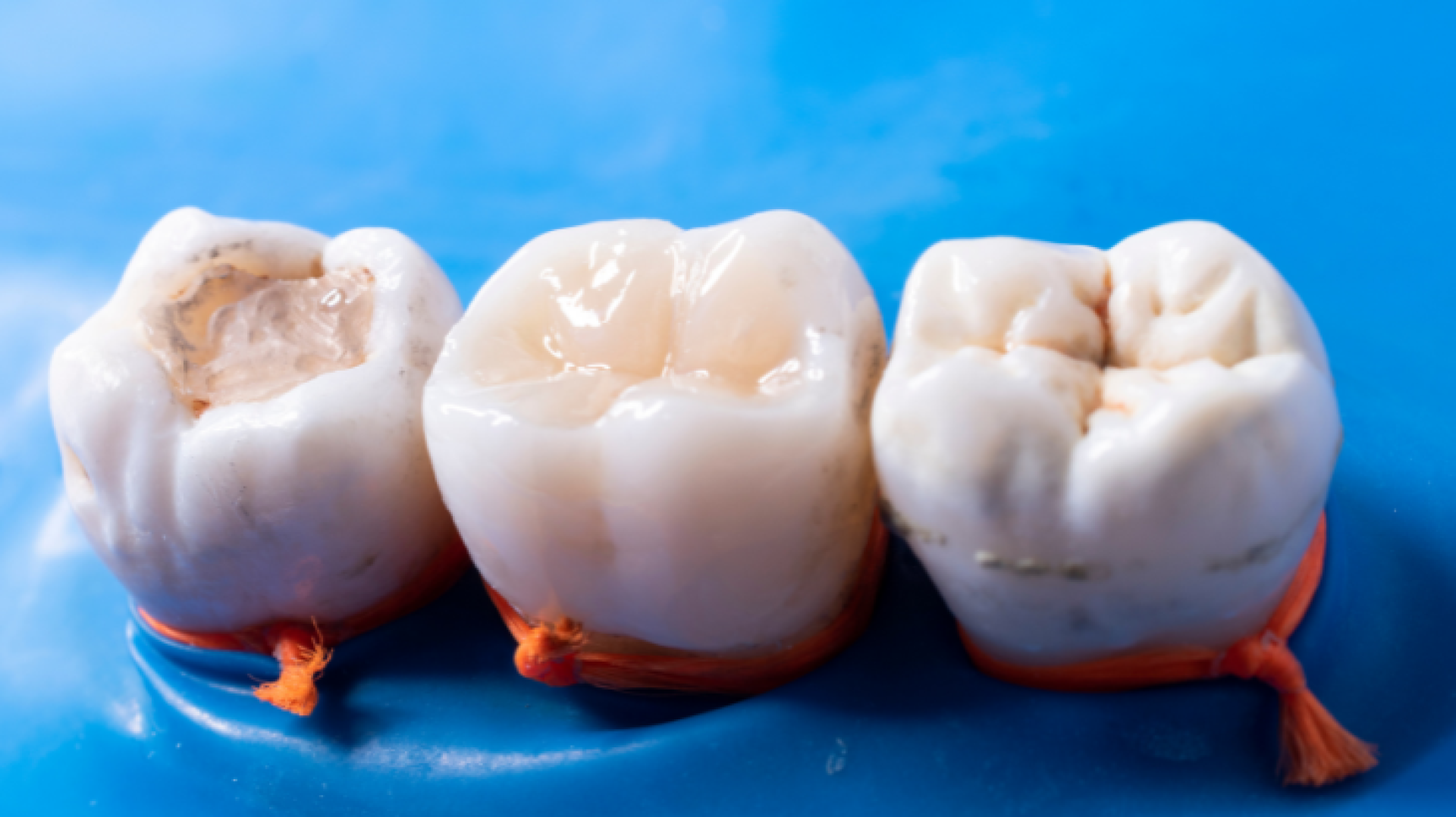
A hole in a tooth occurs when part of the tooth structure breaks or chips away, leaving a cavity or opening that you can feel with your tongue. This may result from an actual tooth fracture, advanced tooth decay that causes the outer surface to collapse, a lost dental filling, or tooth erosion. An opening in the tooth allows bacteria to reach the underlying dentin more easily, so it should not be left untreated. The sooner you visit a dentist, the greater the chance that the tooth can be restored with a simple procedure, such as a dental filling, rather than requiring root canal treatment or extraction.
Many people first notice a hole in their tooth when their tongue touches a sharp edge or when food repeatedly gets stuck in the same spot after eating. Others may look in the mirror and discover a dark spot or small hole on the tooth surface. This often raises several questions: Is it a broken tooth, tooth decay, or something else? And if it does not hurt yet, can treatment wait?
The short answer is that a hole in a tooth cannot close or repair itself, regardless of its cause. This is because enamel does not contain the cells needed to regenerate in the same way that skin does. The important thing is to identify the possible cause of the hole, understand how urgently it needs attention, and arrange a dental appointment at the right time.
This article explains how to distinguish a broken tooth from tooth decay, a lost filling, and tooth erosion. It also covers warning signs that should never be ignored and the available treatment options based on the size and depth of the hole.
The information in this article is intended for general educational purposes and preliminary assessment only. An accurate diagnosis requires an oral examination and dental X-rays performed by a dentist.
What Is a Hole in a Tooth? How Is It Different from a Chipped Tooth?
A chipped tooth generally refers to a small piece of the tooth breaking away, particularly along the edges of the front teeth. It usually appears as a small notch rather than a deep cavity.
A hole in a tooth, on the other hand, occurs when part of the chewing surface or side of the tooth breaks away, creating an opening with noticeable depth. You may be able to feel the opening with your tongue, or food particles may become trapped inside.
This condition is more common in molars and premolars because these teeth withstand the greatest chewing forces.
The key difference is that a superficial chip may not extend beyond the enamel. However, a hole deep enough to trap food often extends through the enamel into the dentin.
Dentin is the layer beneath the enamel. It contains tiny tubules that connect toward the dental pulp, allowing temperature changes and bacterial irritation to affect the nerves more easily.
What Causes a Hole in a Tooth?
A hole in a tooth is not always caused by a fracture. During a dental examination, dentists commonly identify the following causes.
1. Tooth Fracture from Impact or Chewing Pressure
Biting down on hard objects, such as ice, bones, or fruit pits, or experiencing an accident can cause part of the tooth surface to break away suddenly.
In many cases, patients can remember exactly when the damage occurred.
2. Advanced Tooth Decay Causing the Surface to Collapse
Tooth decay often begins beneath the surface. The outer enamel may initially appear intact while the underlying tooth structure gradually deteriorates.
Eventually, when you bite down on food, the weakened outer surface may collapse, leaving a visible hole.
This can lead people to believe that their tooth has suddenly broken, even though the actual cause is advanced tooth decay.
Learn more about the process in our article, "What Causes Tooth Decay?"
3. A Previous Dental Filling Has Fallen Out or Broken
Dental fillings have a limited lifespan. Over time, the margins around an existing filling may develop leakage, secondary decay may form underneath it, or the filling material may fracture due to chewing pressure.
When this happens, the tooth may be left with a cavity that has a relatively smooth and defined shape, corresponding to the area previously prepared for the filling.
4. Tooth Wear and Erosion
Brushing too aggressively, grinding your teeth during sleep, or frequently consuming acidic beverages can gradually wear down the enamel.
Over time, this may create grooves or depressions near the gumline or on the chewing surfaces of the teeth.
How to Distinguish a Broken Tooth from Tooth Decay, a Lost Filling, and Tooth Wear
Self-observation cannot replace a professional dental examination. However, it can help you understand the situation and describe your symptoms more clearly to your dentist.
Consider the following characteristics.
Examine the Edges of the Hole
A tooth that has fractured due to impact or chewing pressure often has sharp or jagged edges. Your tongue may feel a rough or uneven surface, sometimes with clearly defined corners.
A hole caused by tooth decay may have softer edges, with a chalky or discolored surface around the opening.
A missing filling often leaves a relatively smooth cavity with a clearly defined shape.
Tooth wear, meanwhile, usually creates a rounded, smooth depression without sharp edges.
Examine the Color Inside the Hole
If the inner surface appears pale yellow and relatively similar to the natural color of the tooth, it may indicate a recent fracture.
However, if the inside appears brown or black, feels soft, or has an unpleasant odor, it may indicate tooth decay that has been developing for some time.
Pay Attention to the Type of Tooth Sensitivity
Sharp pain that occurs specifically when biting down and disappears immediately after releasing pressure may be associated with a crack or fracture.
Sensitivity to sweet, cold, or hot foods and drinks that gradually subsides is more commonly associated with tooth decay or exposed dentin.
If you experience spontaneous throbbing pain without any obvious trigger or pain that wakes you up at night, this may indicate inflammation or infection involving the dental pulp.
Consider When the Problem First Appeared
If you clearly remember noticing the hole immediately after biting something hard, a tooth fracture is a possibility.
If there was no specific incident and the hole gradually became larger, or a dark spot appeared beforehand, tooth decay may be more likely.
If the affected tooth previously had a filling, a lost or fractured restoration should also be considered.
Comparison Table: Broken Tooth vs. Tooth Decay vs. Lost Filling vs. Tooth Wear
Characteristics
Broken Tooth
Tooth Decay
Lost Filling
Tooth Wear/Erosion
Hole edges
Sharp or jagged
Soft, often with chalky edges
Smooth and well-defined
Rounded and smooth
Color inside the hole
Similar to natural tooth color
Brown to black
May contain residual filling material or discoloration
Yellow due to exposed dentin
How it develops
Sudden, often after biting something hard or an impact
Gradually over time
Sudden, often while chewing
Very gradual, developing over years
Common symptoms
Sharp pain when biting
Sensitivity to sweet, cold, or hot foods; possible odor
Food trapping and sensitivity to air
Sensitivity near the gumline
Urgency
See a dentist promptly
See a dentist promptly
See a dentist within a few days
Arrange a dental examination
Is a Hole in a Tooth Dangerous?
A hole in a tooth can become dangerous over time, even if it does not cause pain initially.
The main reason is that the opening acts like an entry point for bacteria in the mouth. Food particles can become trapped inside and are difficult to remove through normal brushing.
This allows bacteria to produce acids that continue damaging the tooth structure.
Dentin is significantly softer than enamel. Once bacteria pass through the enamel, decay can progress more rapidly.
In addition, the remaining tooth walls around the hole may become thinner and weaker, making them less capable of withstanding chewing forces. This increases the risk of the tooth breaking into a larger piece.
What Happens If You Leave a Hole in Your Tooth Untreated?
The following describes the common progression of an untreated hole in a tooth. The timeline varies from person to person depending on the size of the opening, oral hygiene habits, and dietary behavior.
Early stage:
Food particles become trapped easily.
Bad breath may develop.
Sensitivity occurs when drinking cold water or eating sweet foods.
Progressive stage:
The hole becomes larger and deeper.
The surrounding dentin softens.
Sensitivity lasts longer.
Chewing on the affected side becomes uncomfortable.
When bacteria reach the dental pulp:
Spontaneous throbbing pain develops.
Pain may become worse at night.
Pain medication may provide only temporary relief.
When infection reaches the root tip:
The gums become swollen.
A pus-filled bump may develop on the gums.
The tooth may feel elevated or painful when biting.
In some cases, the cheek may become swollen.
Long-term consequences:
The tooth may fracture to the point where restoration is no longer possible.
Tooth extraction may become necessary.
If the missing tooth is not replaced, neighboring teeth may gradually tilt toward the empty space, potentially causing tooth displacement and bite problems.
One important point that many people overlook is that pain disappearing on its own after a period of severe discomfort does not necessarily mean the tooth has healed.
It may indicate that the dental nerve has died, while the infection continues to spread toward the root tip without obvious warning symptoms.
Warning Signs That Require Prompt Dental Attention
If you experience any of the following symptoms, do not wait for a routine appointment. Contact a dental clinic as soon as possible.
Severe toothache, throbbing pain, or pain that prevents you from sleeping.
Swelling, redness, or a pus-filled bump around the affected tooth. Read more in our article, "What Causes Swollen Gums?"
Swelling of the cheek, under the chin, or face, especially when accompanied by fever.
A broken tooth with a visible pink or red spot in the center, which may indicate exposed dental pulp.
Bleeding from the fractured tooth or a loose tooth following an impact.
Difficulty swallowing, reduced ability to open your mouth, or difficulty breathing. These are emergency symptoms that require immediate hospital care.
Can You Leave a Hole in Your Tooth Untreated If It Does Not Hurt?
No. A lack of pain simply means that the bacteria may not have reached the dental nerve yet, or that the hole is still limited to a less sensitive layer of the tooth.
In fact, this is often the best time to seek treatment because the tooth may still be repaired with a conventional filling.
The procedure is generally straightforward, takes relatively little time, and costs less than treatment required after significant pain or infection develops.
Many people wait until their tooth starts hurting before visiting a dentist. However, by that stage, treatment options may become more limited, and root canal treatment or a dental crown may be necessary.
Therefore, having no pain should be viewed as an opportunity to seek early treatment, not a reason to delay it.
How Do Dentists Examine a Hole in a Tooth?
When you visit a dentist, the examination generally includes the following steps.
1. Medical and dental history
The dentist will ask when the problem first appeared, what type of pain you experience, and whether the affected tooth has previously received a filling.
2. Visual examination and dental instruments
The dentist examines the edges of the hole, the hardness of the remaining tooth structure, and any cracks extending beyond the visible opening.
3. Bite and cold tests
These tests help identify hidden cracks and determine whether the dental pulp is still alive and functioning normally.
4. Dental X-rays
X-rays help assess the depth of the hole in relation to the pulp, detect hidden decay between the teeth, and examine the bone surrounding the root tip.
These findings help the dentist identify the underlying cause and select the most appropriate treatment for the affected tooth.
Treatment Options for a Hole in a Tooth Based on Its Size
Treatment depends on the depth and width of the opening, as well as the condition of the dental pulp.
The following is a general overview of common treatment approaches.
Small, Shallow Hole Limited to the Enamel or Outer Dentin
A small, shallow hole can often be treated with a tooth-colored composite resin filling.
The dentist removes any decayed tooth structure or sharp edges before filling the opening and restoring the tooth's original shape.
Most cases can be completed in a single appointment.
If you are concerned about discomfort during the procedure, read our article, "Does Getting a Dental Filling Hurt?"
Large Hole with Limited Remaining Tooth Structure
If the remaining tooth walls are too thin to withstand chewing pressure, a conventional filling alone may not provide sufficient support.
The dentist may recommend an indirect restoration, such as an inlay, onlay, or dental crown.
These restorations help cover and protect the remaining tooth structure, reducing the risk of further fractures.
Deep Hole Extending into the Dental Pulp or Accompanied by Infection
Root canal treatment is generally necessary to remove inflamed or infected pulp tissue.
Afterward, the dentist may rebuild the tooth with a core restoration and place a dental crown.
For molars that have undergone root canal treatment, crowns can significantly reduce the risk of future fractures by protecting the remaining tooth structure.
Tooth Fracture Extending into the Root or Beyond Restoration
If the fracture extends deeply below the gumline or too little healthy tooth structure remains, the dentist may recommend extraction.
A replacement option, such as a dental implant or dental bridge, can then be considered.
If you are concerned about the extraction procedure, read our article, "Does Tooth Extraction Hurt?"
As for whether a particular broken tooth can be repaired with a filling or requires another treatment, the dentist must make that decision after examining the individual tooth.
A hole that appears small on the outside may extend much deeper than expected when assessed through dental X-rays and clinical examination.
Estimated Treatment Costs for a Hole in a Tooth
Treatment costs can vary considerably depending on the procedure, the number of surfaces requiring restoration, the materials used, and the location of the affected tooth.
Typical estimated market prices in Thailand include:
Tooth-colored composite fillings: Several hundred to approximately THB 2,000 or more per tooth, depending on the size and number of surfaces involved.
Inlays, onlays, or dental crowns: Several thousand to tens of thousands of baht, depending on the material used.
Root canal treatment: Several thousand to tens of thousands of baht. Molars generally cost more to treat than front teeth, and the price does not include the dental crown.
These figures are approximate estimates intended for preliminary budgeting. Actual prices must be confirmed by a dentist after an examination and may vary between clinics.
The key point to remember is that treating a hole while it is still small generally costs less.
How to Care for Your Tooth While Waiting for a Dental Appointment
If you cannot visit a dental clinic immediately, the following steps can help reduce the risk of further damage or infection.
Rinse your mouth with clean water after every meal to remove food particles trapped inside the hole.
Brush gently with a soft-bristled toothbrush and fluoride toothpaste. Take extra care when cleaning around the damaged area.
Use dental floss carefully to clean the spaces between neighboring teeth. If the floss becomes caught or breaks around the hole, pull it out sideways rather than forcing it upward.
Avoid chewing on the affected side and stay away from hard or sticky foods and ice.
Reduce your intake of sweets, sugary drinks, and acidic beverages, which can accelerate tooth damage.
If a sharp edge is irritating your tongue or cheek, temporarily cover it with dental wax.
If you experience pain, you may use an over-the-counter pain reliever according to the recommended dosage on the label. Arrange a dental appointment as soon as possible.
Precautions and Common Misconceptions
Do not attempt to fill the hole yourself using non-dental materials such as glue, candle wax, or plastic. These materials may trap bacteria inside the tooth and make professional treatment more difficult.
Do not use sharp objects such as toothpicks or needles to dig inside the hole. This may cause further fractures or injure the surrounding gums.
Do not place pain medication or salt directly inside the hole or on your gums. These substances may irritate and damage soft tissues.
Antibiotics do not treat a hole in a tooth. They should only be used when prescribed by a dentist.
Pain disappearing on its own does not mean the tooth has healed. It may indicate that the dental nerve has died.
Desensitizing toothpaste may help relieve sensitivity, but it cannot close the hole or stop the underlying damage from progressing.
How to Prevent Holes and Fractures in Your Teeth
After treatment, you can reduce the risk of similar problems affecting the same tooth or other teeth by developing a few simple habits.
Brush at least twice a day with fluoride toothpaste and floss daily.
Avoid biting hard objects such as ice or pens, and never use your teeth to open bottles.
If you grind your teeth during sleep, consult your dentist about a night guard to reduce pressure on your teeth.
Wear a mouthguard when participating in contact sports.
Schedule regular dental checkups and professional scaling every six months to detect tooth decay and deteriorating fillings early.
Conclusion: Do Not Wait Until a Hole in Your Tooth Starts Hurting
A hole in a tooth may result from an actual fracture, hidden tooth decay, a lost dental filling, or tooth wear.
Observing the edges of the hole, its internal color, and the type of sensitivity may help you identify the possible cause. However, all these conditions have one important thing in common: a hole in a tooth will not close on its own and may become progressively worse over time.
Visiting a dentist while the hole is still small can make treatment simpler, reduce the time required, and help preserve as much natural tooth structure as possible.
If your tongue has recently detected a hole in your tooth, or you are unsure which tooth is broken or decayed, Pasuk Dental Clinic is ready to provide a dental examination and X-rays to identify the underlying cause.
Our dentists will explain the available treatment options and associated costs before starting any procedure, helping you restore your tooth and regain confidence in your smile.
Frequently Asked Questions (FAQ)
1. Can a hole in a tooth heal on its own?
No. Enamel and dentin cannot regenerate to close a hole in the tooth.
The opening will remain or may gradually become larger. Treatment therefore requires professional dental restoration.
2. How can I tell the difference between a broken tooth and tooth decay?
A broken tooth often has sharp edges and develops suddenly after biting something hard.
Tooth decay usually appears brown or black, may involve softened tooth structure, and develops gradually.
However, hidden decay beneath the surface can also cause the outer tooth structure to collapse suddenly, creating a visible hole.
A dental examination and X-rays are therefore necessary to distinguish between these conditions accurately.
3. How long can I leave a hole in my tooth before it becomes dangerous?
There is no fixed timeline. The rate of progression depends on the depth of the hole, oral hygiene, and dietary habits.
In some people, the damage may reach the dental pulp within just a few months, while in others it may progress more slowly.
Regardless of the situation, treating the problem while the hole is still small is always preferable.
4. If my dental filling falls out and leaves a hole, do I need to see a dentist urgently?
Yes. You should arrange a dental appointment within a few days.
The tooth structure underneath an old filling may already be thin and vulnerable to infection.
If secondary decay has developed beneath the previous restoration, it is especially important to remove it before the damage spreads further.
5. Can a small hole in a broken tooth be treated with a filling alone?
In many cases, yes. A small hole that has not reached the dental pulp can often be restored with a conventional filling.
However, the dentist must first examine the depth of the damage and check for hidden cracks.
If the remaining tooth walls are too thin or the fracture extends further into the tooth, a stronger restoration may be necessary.
6. Can a hole in a tooth cause bad breath?
Yes. Food particles trapped inside the hole and accumulated bacteria can produce unpleasant odors.
Once the underlying problem has been treated and the hole has been properly restored, bad breath caused by this issue will generally improve.
Related Content

Wondering if dental fillings hurt? Discover the answer, learn about the dental filling procedure, and find tips on how to prepare before visiting your dentist for a confident smile and better oral health.

Does wisdom tooth suture removal hurt? In most cases, it causes little to no pain, with only mild tightness or pulling. Learn about the procedure, timing, preparation, aftercare, and warning signs to watch for.

What does a wisdom tooth look like? Learn about 7 common types of wisdom teeth, including partially erupted, gum-impacted, and horizontally impacted wisdom teeth, plus how to spot the signs yourself and when to see a dentist.